Netherlands and South Korea Partner on Smart Farm Tech
Dutch and Korean agriculture leaders are joining forces to solve climate change and labor shortages through AI-powered greenhouses and vertical farms. The partnership combines Netherlands' greenhouse expertise with Korea's tech innovation to grow more food with less energy.
The future of farming is getting brighter as the Netherlands and South Korea team up to revolutionize how we grow food.
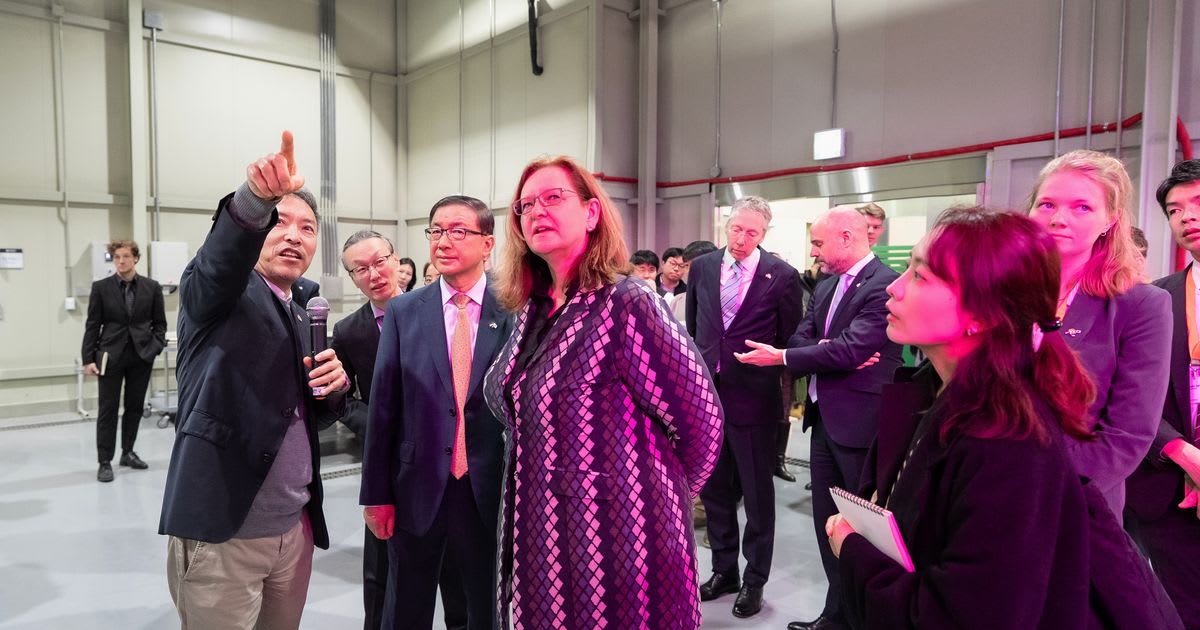
A Dutch horticulture delegation recently completed a landmark visit across South Korea, bringing together companies, researchers, and government leaders to strengthen cooperation in smart farming technology. The mission, led by former trade minister Aukje de Vries, focused on finding solutions to some of agriculture's biggest challenges: climate change, labor shortages, and energy costs.
The centerpiece was the Netherlands-Korea High-tech Horticulture Cooperation Symposium, where both countries showcased their unique strengths. Dutch experts highlighted their "triple helix" innovation model, where government, industry, and universities work together seamlessly. Their greenhouses in regions like Westland are connected to industrial facilities that supply waste heat and CO₂ from nearby ports, turning potential pollution into plant fuel.
Korean speakers demonstrated equally impressive innovations. Daehan Steel presented the Eco-Grid Dangjin project, which plans to power massive smart farm clusters using recycled steel plant heat and captured carbon dioxide. LG Science Park showcased vertical farms that use AI to grow crops more efficiently, while KS Farm highlighted how young, tech-savvy farmers are using data not just to grow food but to connect directly with consumers.
The delegation toured groundbreaking facilities across Korea. At a paprika greenhouse in Jincheon, they saw year-round production feeding both local markets and exports. In Seosan, SP Agri's "strawberry factory" uses AI climate control and harvesting robots to produce strawberries every season, with automated packaging and cold-chain logistics ensuring freshness.
Essence Farm demonstrated another breakthrough: a 2.5-hectare greenhouse built by Dutch company Certhon with 100% electric heating and cooling. The facility grows leafy vegetables and attracted investment from outside traditional agriculture, signaling growing confidence in smart farming's profitability.
The Ripple Effect
This partnership extends far beyond business deals. At Yonam University's Green Tech Innovation Center, the delegation saw how these technologies are training the next generation of agriculture specialists. Minister de Vries emphasized that education partnerships between Dutch institutions like Wageningen University and Korean counterparts will ensure these innovations keep improving.
The collaboration addresses urgent global needs. As populations grow and climate patterns shift, traditional farming faces mounting pressure. By combining Netherlands' decades of greenhouse expertise with Korea's cutting-edge technology and market dynamism, both countries are creating a blueprint other nations can follow.
Young Korean farmers are already embracing this future, using smart farm technology to operate more sustainably while building direct relationships with customers who value knowing where their food comes from. Dutch technology providers like Priva and Blue Radix are supplying the AI and data platforms that make it all possible, transforming agriculture from guesswork into precision science.
Together, these nations are proving that agriculture's future can be more productive, more sustainable, and more hopeful than ever before.
Based on reporting by Google News - Netherlands Technology
This story was written by BrightWire based on verified news reports.
Spread the positivity!
Share this good news with someone who needs it