Netherlands Approves Tesla FSD After 18-Month Safety Review
The Netherlands just became the first country in Europe to approve Tesla's Full Self-Driving technology for public roads after rigorous testing. Dutch officials now want the entire European Union to follow their lead.
After 18 months of careful research and testing, the Netherlands has greenlit Tesla's Full Self-Driving system, opening the door for hands-free driving across Europe.
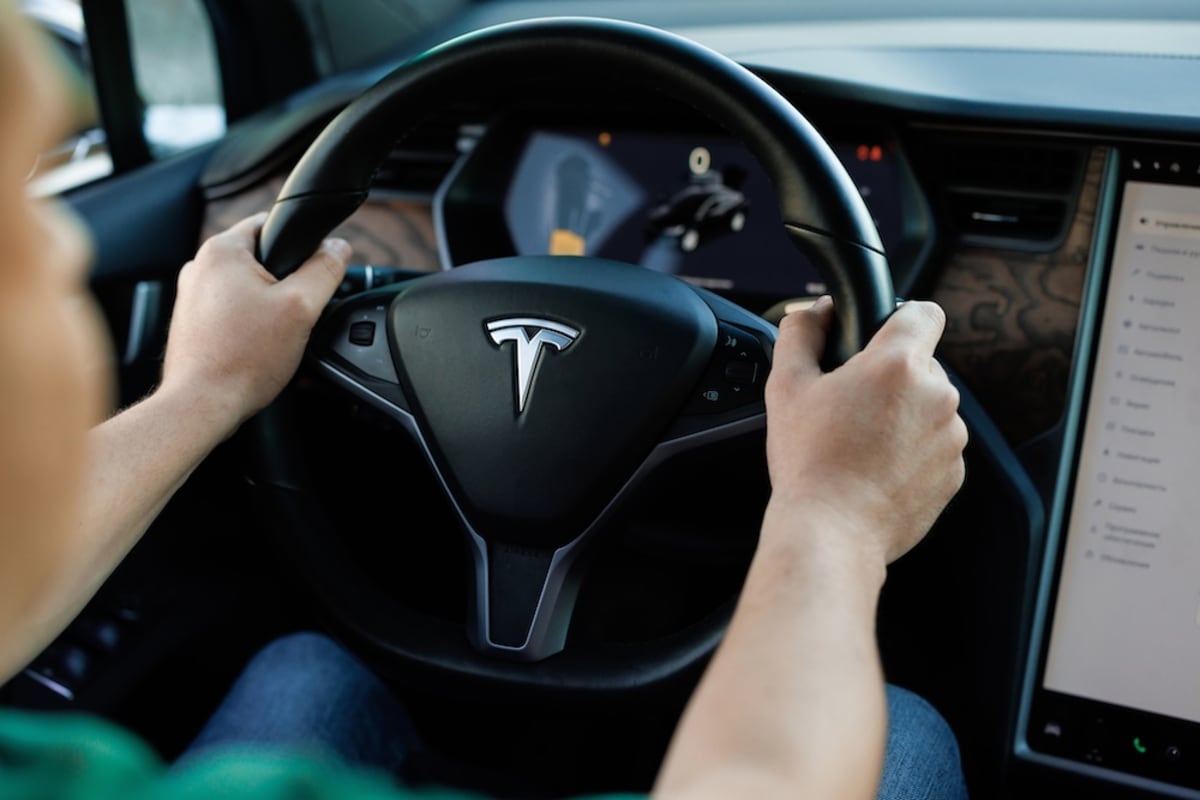
The Dutch vehicle licensing authority RDW announced this week that Tesla's FSD Supervised can make a positive contribution to road safety when used properly. The decision makes the Netherlands the first EU country where drivers can legally use the advanced assistance technology on public roads.
The system represents a significant step forward in driver assistance, but it's not autopilot. Drivers remain fully responsible and must stay alert at all times, ready to take control within seconds if needed.
Tesla owner Elon Musk praised the RDW for being extremely rigorous in their review. The thorough 18-month testing process examined whether the technology could safely support Dutch drivers without replacing human judgment.
The technology monitors driver attention constantly, ensuring people stay focused on the road. The system actively prevents distracted driving by requiring drivers to demonstrate they're paying attention, making activities like reading while driving impossible.
Now the real test begins. The RDW plans to ask the European Commission to approve FSD throughout the entire EU, which would require member states to vote on the proposal.
The Ripple Effect
If other European countries follow the Netherlands' lead, millions of drivers could benefit from enhanced safety features designed to prevent accidents. The Dutch approval sets a precedent for how European regulators can carefully evaluate and adopt new automotive technologies.
The software approved for European roads differs from the version used in the United States, where the system costs drivers $99 monthly. European drivers will get technology specifically tested for their road conditions and traffic patterns.
Other driver assistance systems have already paved the way. Ford's BlueCruise, for example, received approval for hands-free highway driving across parts of Europe.
Legal experts note that insurance protections remain in place, with companies able to hold drivers accountable for reckless use. The challenge will be accessing vehicle data if software errors need investigation, but the careful regulatory approach suggests European officials are thinking ahead.
The approval shows how innovation and safety can advance together when regulators take the time to get it right.
Based on reporting by Dutch News
This story was written by BrightWire based on verified news reports.
Spread the positivity!
Share this good news with someone who needs it