Netherlands Celebrates 163 Years Since Slavery Abolished
Thousands gathered across Dutch cities to celebrate Keti Koti, marking 163 years since slavery officially ended in the Netherlands' former colonies. The growing movement aims to make this day of remembrance and healing a national holiday.
Communities across the Netherlands came together this week to honor a pivotal moment in history while building a more inclusive future.
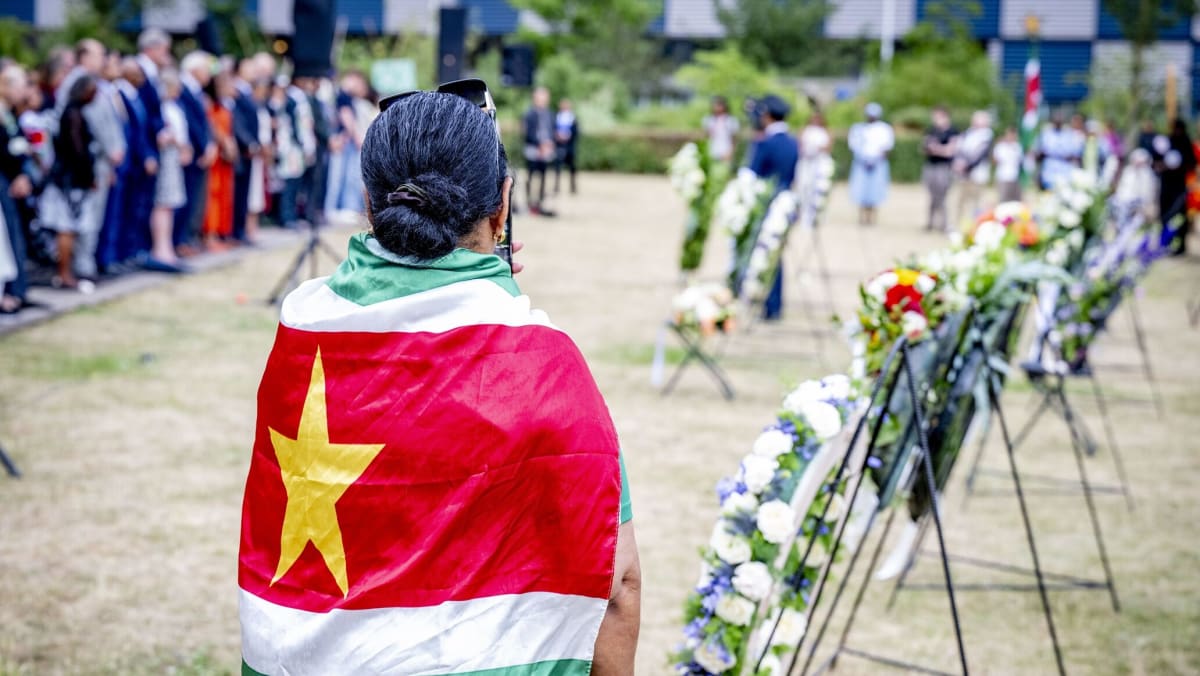
Keti Koti festivals celebrated the 163rd anniversary of slavery's abolition in the Dutch colonies of Suriname and the Dutch Antilles on July 1, 1863. The name means "broken chains" in Sranantongo, a Surinamese language, and the celebration has grown significantly since its start in Dutch cities in 2002.
In Amsterdam, thousands gathered at Museumplein where the festival began with a minute of silence honoring slavery's victims. A colorful parade wound through the capital earlier in the day, showcasing traditional clothing and dances from Suriname and the Caribbean before reaching Oosterpark.
Rotterdam hosted its own festival at Wijkpark Oude Westen with performances at Schouwburgplein. Cities throughout the Netherlands joined the commemoration, making it a truly national moment of reflection and celebration.
This year's theme, "Shoulder to Shoulder," emphasized unity and collective healing. Prime Minister Rob Jetten spoke at the Suriname Museum, committing to develop concrete policies focused on healing and recovery from slavery's lasting impacts.
"That is a positive signal for us," said Mitchell Esajas, who manages the Black Archives at the museum. The collection preserves important documents and artifacts about Black Dutch writers and scientists, ensuring these stories remain part of the national conversation.
The Ripple Effect
The movement continues gaining momentum beyond annual celebrations. A growing campaign seeks to make July 1 an official public holiday in the Netherlands, matching its status as a national holiday in Suriname.
Three years ago, King Willem-Alexander formally apologized for the Netherlands' role in the slave trade during the commemoration. The year before, Prime Minister Mark Rutte apologized and promised "a comma, not a full stop," recognizing that healing requires ongoing dialogue and action.
These aren't just symbolic gestures. Government officials are now working directly with community leaders to create meaningful policies that address historical wounds and support affected communities.
The festivals themselves demonstrate how acknowledgment of difficult history can bring people together rather than divide them. Families of all backgrounds join the celebrations, learning about this chapter of Dutch history while enjoying music, food, and cultural performances.
Each July 1, more people join the conversation about how nations can honor the past while building a more just future together.
Based on reporting by Dutch News
This story was written by BrightWire based on verified news reports.
Spread the positivity!
Share this good news with someone who needs it