Netherlands Leads Nigeria's Food Industry Transformation
The world's second-largest food exporter is bringing cutting-edge farming technology to West Africa's biggest economy. Agrofood Nigeria 2026 will connect Dutch innovation with Nigerian ambition to build a competitive food future.
Nigeria is turning its agricultural potential into industrial reality, and the Netherlands is bringing the blueprint to make it happen.
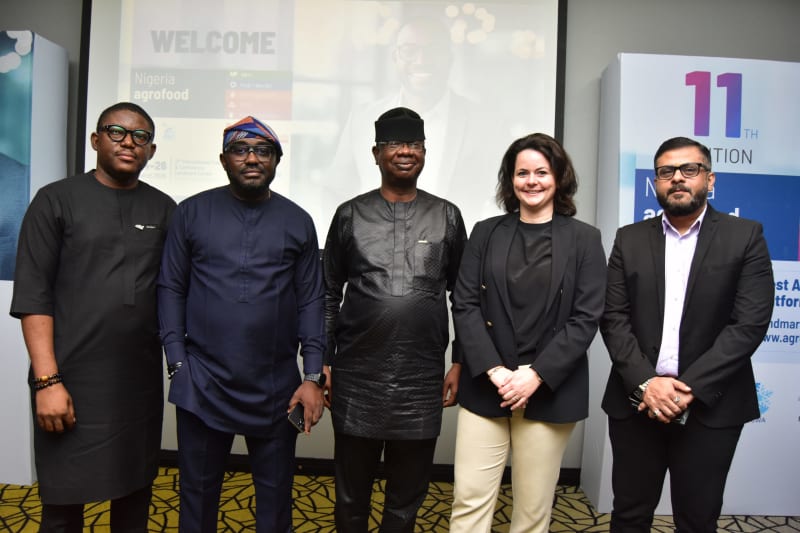
Agrofood Nigeria 2026 will welcome exhibitors from over 15 countries this year, with the Netherlands taking center stage as Guest of Honour. The Dutch nation, despite its small size, ranks as the world's second-largest agricultural exporter, proof that smart technology beats sprawling farmland.
The event marks a turning point for Nigeria's food economy. While agriculture generates over 22% of the country's GDP, too much food spoils before reaching consumers, and limited processing keeps profits low. That's changing as Nigeria shifts focus from just growing food to building complete food systems that create jobs and reduce costly imports.
Dutch companies will showcase solutions already working globally. Cold chain logistics that keep food fresh longer. Processing machinery that turns raw crops into export-ready products. Seed technology and sustainable farming systems designed for efficiency. These aren't experimental ideas but proven tools ready for adaptation.
Germany, China, Belgium, and South Africa will also bring their expertise. Germany offers food processing and packaging engineering. China presents automation technologies. Belgium showcases precision farming and circular production. South Africa's Western Cape region will demonstrate regional capabilities.
The conference tackles real economic challenges head-on. Bismarck Rewane, one of Nigeria's leading economic analysts, will explain how inflation, currency fluctuations, and investment trends affect food businesses. Dr. Yemi Kale from the African Export-Import Bank will explore how Nigerian food companies can tap into the African Continental Free Trade Area, opening doors to 1.3 billion potential customers.
Paul Maerz from fairtrade Messe, the event organizer, put it simply: Nigeria's food challenge is no longer about production alone but about industrializing the food system and meeting international standards.
The Ripple Effect
This collaboration reaches far beyond business deals. When Nigeria processes more of its own food, families gain stable jobs in manufacturing plants. When cold chains reduce waste, food prices stabilize for consumers. When Nigerian products meet export standards, the entire West African region benefits from stronger trade networks.
The Netherlands proved that innovation matters more than land size. Now Nigeria, with vast agricultural resources and a growing population of over 200 million, is applying those lessons. The partnership creates a model other African nations can follow, showing how technology transfer accelerates development.
Engineers from NACCIMA, Nigeria's chamber of commerce, emphasize the timing. Climate challenges, rising costs, and market access issues demand practical solutions now, not someday.
The future of African food security is being built through partnerships like this one.
More Images




Based on reporting by Google News - Netherlands Technology
This story was written by BrightWire based on verified news reports.
Spread the positivity!
Share this good news with someone who needs it