Netherlands Water Hub Tackles Global Shortage Crisis
A Dutch innovation center is turning water scarcity into opportunity by helping companies rapidly test and scale breakthrough water technologies. The WaterCampus ecosystem in Leeuwarden is becoming Europe's go-to launchpad for solutions the world desperately needs.
Water scarcity threatens billions of people worldwide, but one Dutch city is building the ecosystem that could help solve it.
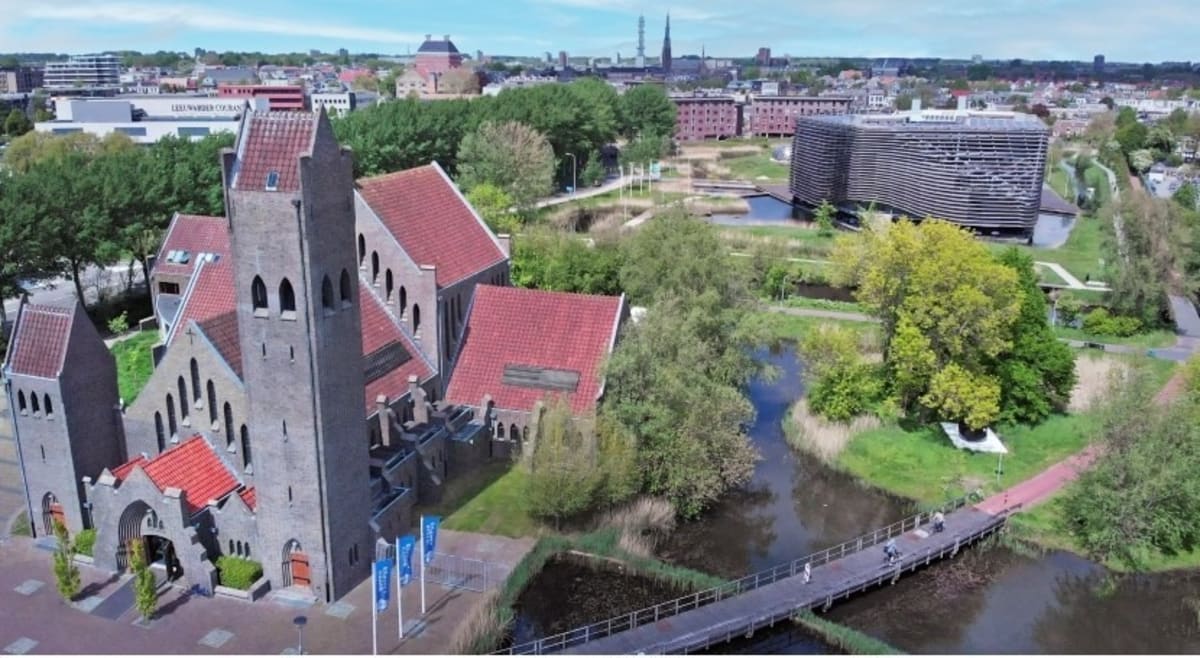
In Leeuwarden, Northern Netherlands, something remarkable is happening. Scientists, companies, and engineers are working side by side at WaterCampus, an innovation hub where water technologies move from laboratory concepts to real-world solutions in record time.
The secret lies in how everything connects. At the center sits Wetsus, a globally recognized research institute where companies collaborate directly with scientists. Next door, startups can test their innovations under actual operating conditions at the Water Application Centre. The Centre of Expertise Water Technology trains the next generation of water professionals while Water Alliance connects local companies with international markets.
This tight integration means breakthrough ideas don't get stuck in research papers. They move quickly into testing, refinement, and commercial use.
The region deliberately seeks out what it calls "missing links." Rather than recruiting random companies, officials identify specific gaps in the innovation chain and attract organizations that fill those needs. Recent arrivals include Cobalt Water Global from the United States, which reduces harmful emissions from wastewater treatment, and Spectromarine, whose sensors monitor water quality in real time.
These strategic additions strengthen the entire ecosystem. When one company brings new capabilities, it helps neighboring organizations innovate faster.
The Ripple Effect
The impact extends far beyond water treatment. Engineers at WaterCampus are connecting water innovation with energy transitions and industrial decarbonization. Technologies developed here recover valuable resources from wastewater, purify alternative water sources like brackish groundwater, and use artificial intelligence to optimize water systems.
Digitalization is transforming water management too. Advanced sensors, digital twins, and AI-powered monitoring systems help cities and industries use water more efficiently while catching problems before they become crises.
The investment agency NOM backs promising startups and helps international companies establish European operations in the region. This financial support, combined with access to world-class testing facilities and talent, makes Leeuwarden increasingly attractive to water technology companies eyeing the European market.
The timing matters immensely. Climate change and stricter environmental regulations are forcing governments and industries worldwide to rethink water management. The technologies being developed and tested in Northern Netherlands today could provide solutions communities across Europe and beyond will need tomorrow.
What started as a regional initiative is becoming an international water technology hub, proof that collaboration and smart planning can turn global challenges into opportunities for innovation and progress.
More Images
Based on reporting by Google News - Netherlands Technology
This story was written by BrightWire based on verified news reports.
Spread the positivity!
Share this good news with someone who needs it