Nevada Researcher's Drug Could Slow Muscular Dystrophy
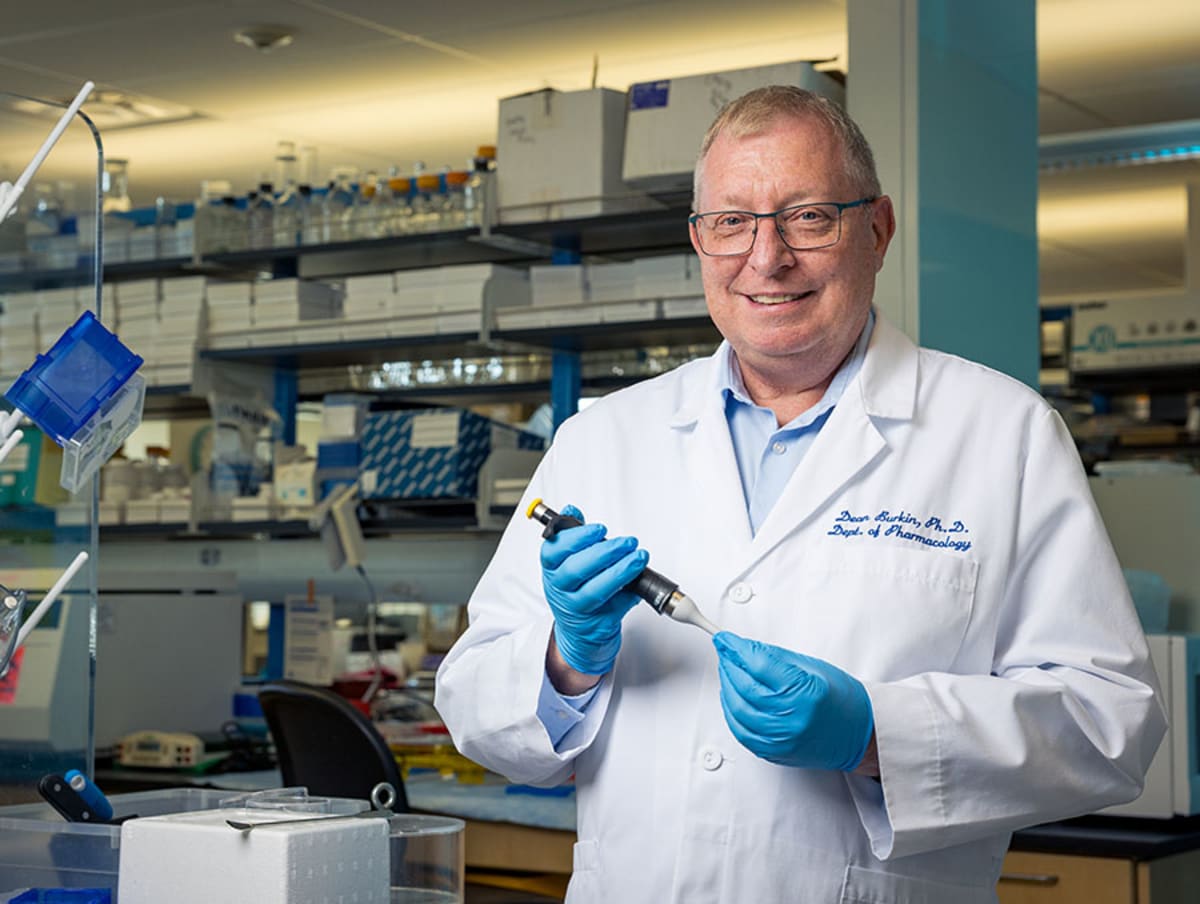
A University of Nevada scientist has discovered a promising drug that could help protect muscles in patients with deadly Duchenne muscular dystrophy. After 20 years of research, Dean Burkin's team is preparing to test their breakthrough therapy in human trials.
A breakthrough in the fight against a devastating muscle disease is moving one step closer to patients who desperately need it.
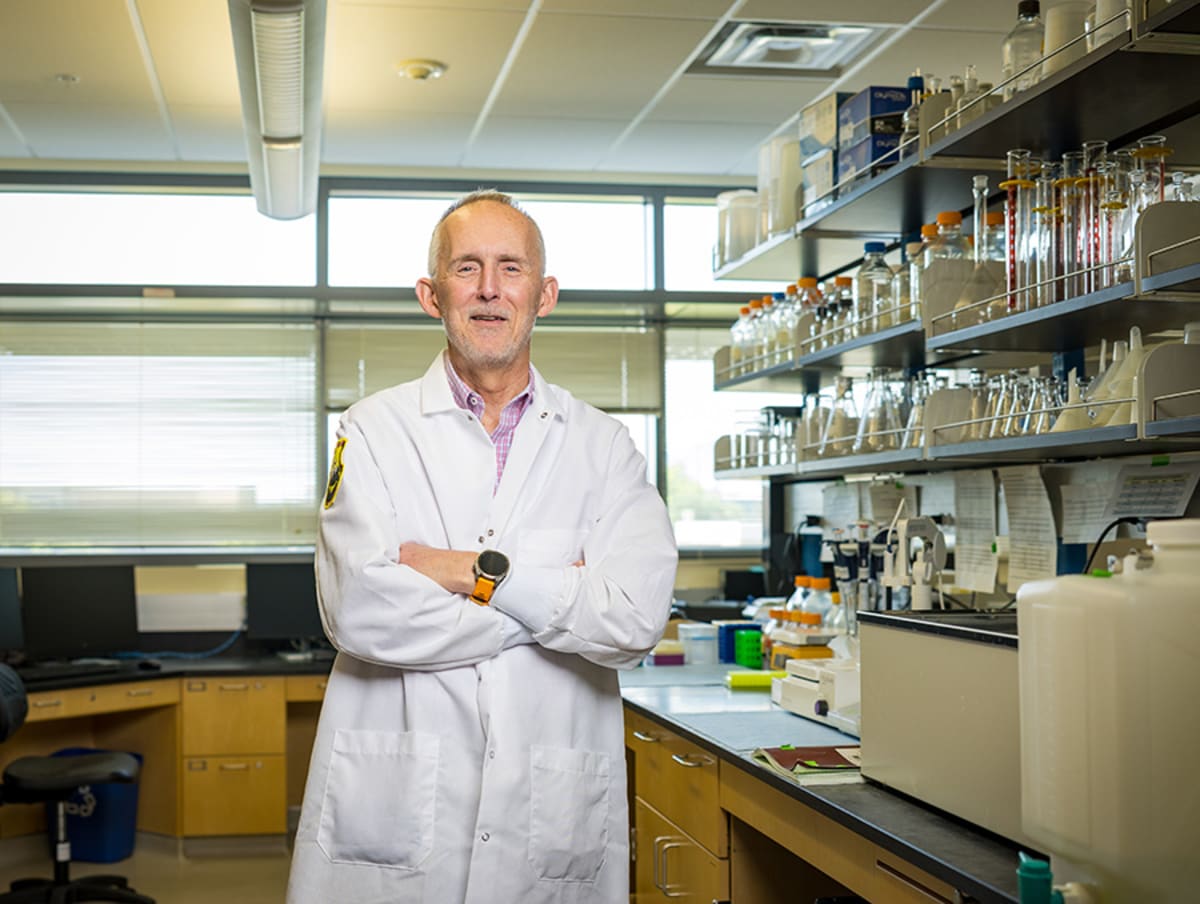
Dean Burkin, a researcher at the University of Nevada, Reno School of Medicine, has spent more than two decades studying Duchenne muscular dystrophy (DMD), a fatal disease that robs children of their ability to walk and often claims their lives before age 30. His persistence just earned him the Foundation Established Innovator Award and something far more valuable: a potential treatment that could change lives.
DMD occurs when the body can't produce dystrophin, a protein that acts like molecular glue holding muscles together during movement. Without it, muscles tear themselves apart with every contraction. Currently, very few effective treatments exist for the approximately 20,000 boys and young men living with DMD in the United States.
Burkin's team discovered that another protein called α7β1 integrin can step in to help stabilize muscles when dystrophin is missing. They then used high-throughput drug screening to find a small molecule called S969 that boosts this protective protein in muscle tissue.
The results in laboratory models have been striking. S969 prevented muscle disease progression in DMD models, suggesting it could help patients maintain muscle strength and function longer.
"Our studies indicate S969 can prevent muscle disease in models of DMD," Burkin said. His team is now manufacturing the drug to FDA standards and designing clinical trials to test it in patients.
The Ripple Effect
The implications reach beyond muscular dystrophy. Burkin's research has uncovered connections to heart failure and cardiovascular disease after identifying patients with mutations in the α7 integrin gene who developed both muscle weakness and cardiac problems.
Understanding how this protein protects heart muscle could open new treatment possibilities for millions of people with cardiovascular disease. The same mechanism that helps skeletal muscles might also strengthen failing hearts.
Meanwhile, Burkin is training the next generation of scientists who will continue this work. His lab buzzes with graduate students, medical students, and postdoctoral researchers learning rigorous, translational research methods.
"You can hear his laughter echoing through the hallways, and his passion for research is truly contagious," said Hailey Hermann, a postdoctoral scholar in Burkin's lab. She's one of many young scientists he's mentored over two decades at the university.
Burkin balances his research with teaching medical students about genetics, ethics, and how the body's systems work. He also makes time for what matters most: "Remember to take time to spend with your family and enjoy life," he advises junior faculty members.
For families watching their children's muscles weaken year by year, S969 represents something priceless: hope backed by rigorous science and two decades of determination.
More Images

Based on reporting by Google News - New Treatment
This story was written by BrightWire based on verified news reports.
Spread the positivity!
Share this good news with someone who needs it