New AI Tech Stops Surgical Bleeding in Real Time
Wayne State University just patented breakthrough technology that uses artificial intelligence to detect and stop dangerous bleeding during surgery before it becomes life-threatening. The AI system acts as a watchful partner to surgeons, potentially saving thousands of lives each year.
Surgeons now have a powerful ally in the operating room that could save countless lives during minimally invasive procedures.
Wayne State University and RediMinds Inc. received a U.S. patent in May 2026 for groundbreaking technology that detects and stops dangerous bleeding during robotic and laparoscopic surgeries in real time. The system uses artificial intelligence and computer vision to spot arterial bleeding the moment it starts, then shows surgeons exactly where it's coming from using augmented reality overlays on their surgical screens.
The problem this solves is urgent. During minimally invasive surgery, unexpected bleeding can block the surgeon's view completely, a dangerous situation called a "red out." This complication leads to poor patient outcomes and sometimes death.
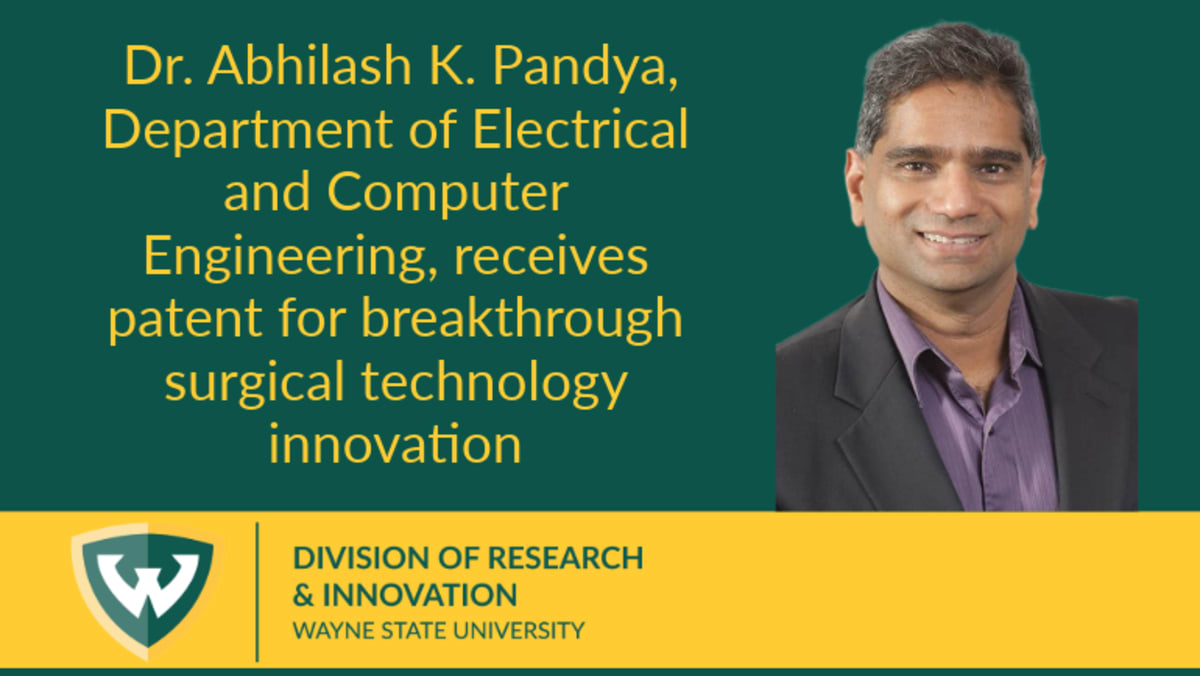
Dr. Abhilash Pandya, professor of electrical and computer engineering, led the research team that developed the system. His invention works as an add-on to existing surgical robots and laparoscopic systems, meaning over 9,000 hospitals across the United States could adopt it without replacing their current equipment.
"As artificial intelligence becomes more mature, it will serve as a watchful partner to the surgeon," Pandya explained. The AI monitors bleeding, patient condition, and even surgeon fatigue while providing timely warnings to help prevent patient injury.
The Ripple Effect
The benefits extend far beyond the operating room. Fewer bleeding complications means patients need fewer blood transfusions, spend less time in the hospital, and face lower infection rates. Treatment costs drop significantly when surgeries go smoothly the first time.
For healthcare systems nationwide, this technology represents a major step forward in surgical safety. Blood donation centers could see reduced strain as transfusion needs decrease. Families get their loved ones home sooner and healthier.
The patent also marks an important milestone in the evolution of AI-assisted surgery. Rather than replacing human expertise, this technology amplifies it by giving surgeons superhuman awareness of what's happening during complex procedures.
Wayne State's commitment to moving discoveries from lab to marketplace means this innovation won't gather dust in a research paper. The university is actively working to bring the technology to surgeons across Michigan and beyond.
Thousands of patients undergoing surgery this year will benefit from AI watching over them alongside their surgical team.
Based on reporting by Google News - Innovation Technology
This story was written by BrightWire based on verified news reports.
Spread the positivity!
Share this good news with someone who needs it