New ALS Treatment Crosses Brain Barrier in Mice Study
A University of Missouri researcher found a way to deliver healing molecules past the brain's protective barrier, improving ALS symptoms in mice. The breakthrough could lead to human trials that might one day prevent the disease before symptoms start.
Scientists just overcame one of the biggest obstacles in treating ALS, bringing new hope to people facing this devastating disease.
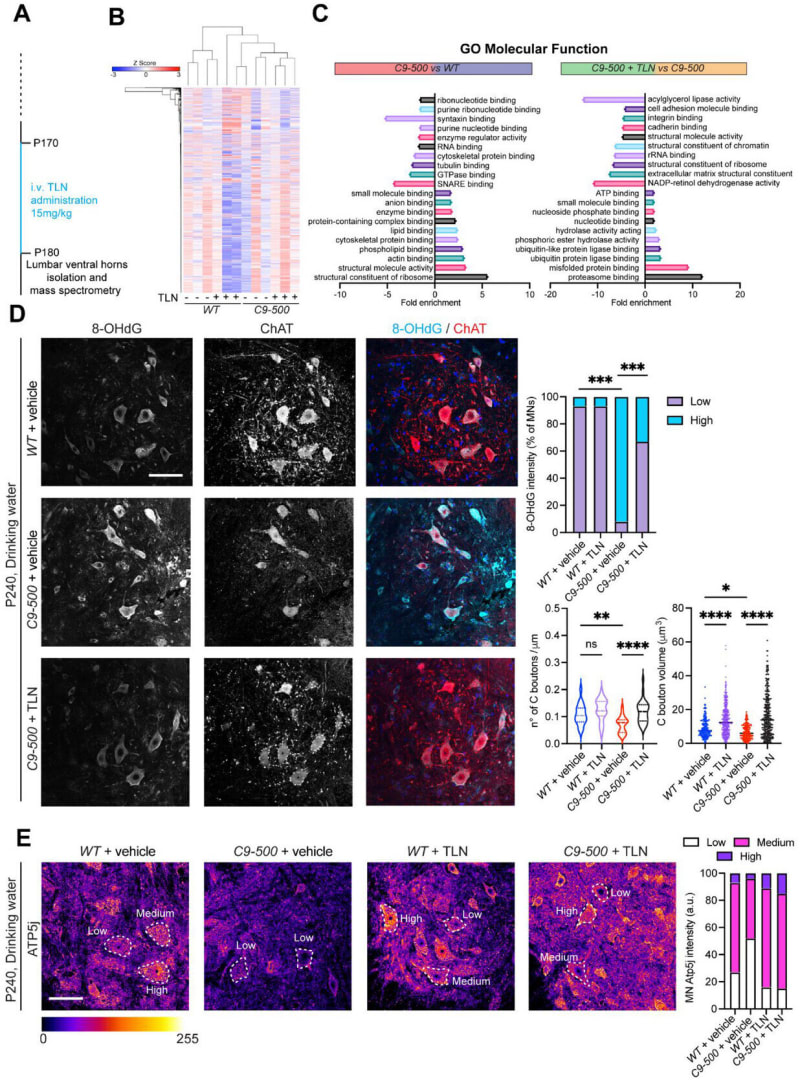
Dr. Smita Saxena at the University of Missouri discovered a clever way to sneak a helpful molecule called GM1 into the brain by wrapping it in a tiny fat bubble. When tested in mice with the same genetic mutation that causes ALS in humans, the treatment crossed the protective blood-brain barrier and helped the animals move better.
The blood-brain barrier has long been the villain in ALS treatment stories. This protective layer keeps harmful toxins out of our brains, but it also blocks most medicines from getting in. Previous attempts to deliver GM1 to the brain all failed because of this impenetrable wall.
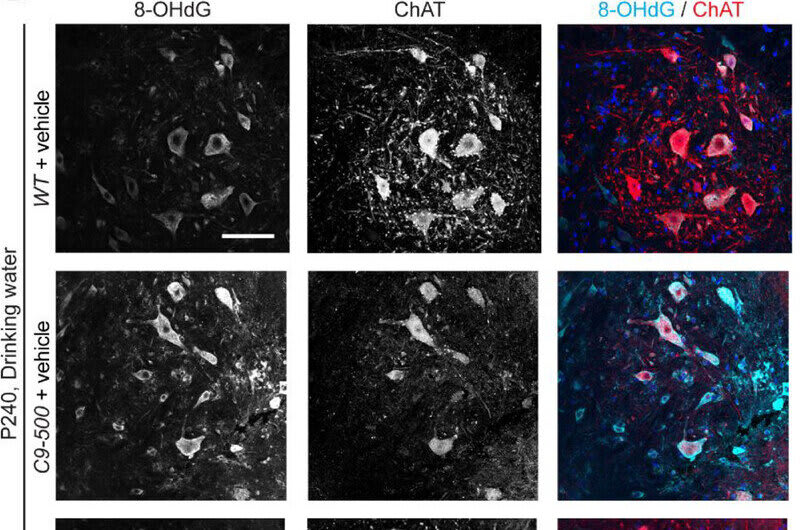
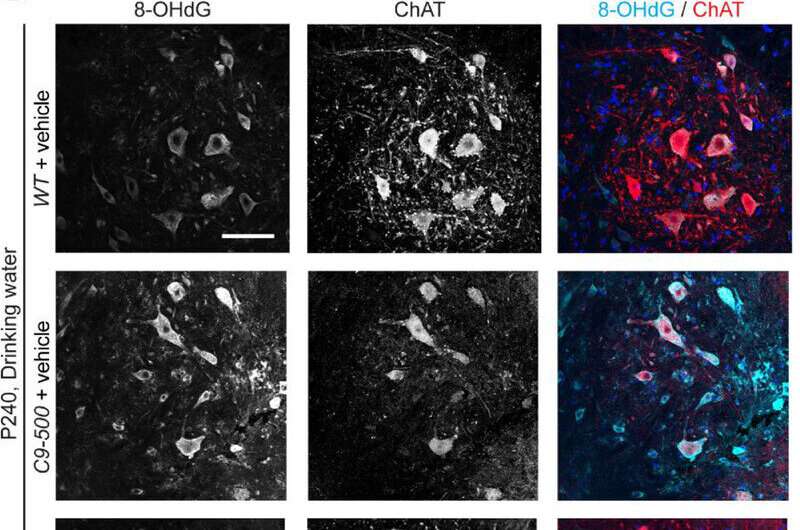
ALS, also known as Lou Gehrig's disease, creates a cascade of problems in the brain. The disease triggers stress in neurons that cripples their ability to produce energy. Without energy, neurons can't send signals to muscles, leading to the weakness, speech problems, and fatigue that define the condition.
Saxena partnered with Swiss company InnoMedica to use their delivery system called Talineuren. Think of it as a microscopic bubble taxi that safely carries GM1 passengers across the barrier. The system had already been tested in humans with Parkinson's disease, where it proved safe and well-tolerated.
The results in mice were encouraging. The therapy improved the health of motor neurons, the specialized brain cells that control movement. The mice who received treatment showed better mobility than those who didn't.
The Ripple Effect
The research opens an exciting possibility beyond treating existing symptoms. If clinical trials prove successful, doctors might one day give this therapy to young people who inherited the ALS gene mutation before they ever develop symptoms. Imagine stopping the disease in its tracks before it starts.
The NextGen Precision Health building at Mizzou puts researchers and clinicians under the same roof, which means discoveries like this can move from lab bench to patient bedside faster. Saxena's team is already envisioning human trials at the facility.
The therapy's safety profile from Parkinson's trials removes one major hurdle on the path to testing in people with ALS. While mouse studies don't always translate to human success, this research represents genuine progress in a field that has seen too many disappointments.
For families watching loved ones lose mobility and independence to ALS, this breakthrough offers something precious: hope grounded in solid science and a clear path forward.
More Images

Based on reporting by Medical Xpress
This story was written by BrightWire based on verified news reports.
Spread the positivity!
Share this good news with someone who needs it