New ALS Treatment Shows Promise in Philadelphia Trials
An experimental therapy targeting the immune system could slow ALS progression for thousands of patients. Temple Health researchers are testing Coya 302, offering new hope beyond current limited treatments.
Philadelphia researchers are testing a promising new treatment that could change the game for people living with ALS, a devastating disease that gradually robs patients of their ability to move.
Temple Health is one of several centers nationwide studying Coya 302, an experimental therapy that takes a completely different approach than existing treatments. Instead of targeting the muscles or nerves directly, this new medicine works on immune cells that may trigger harmful inflammation in motor neurons.
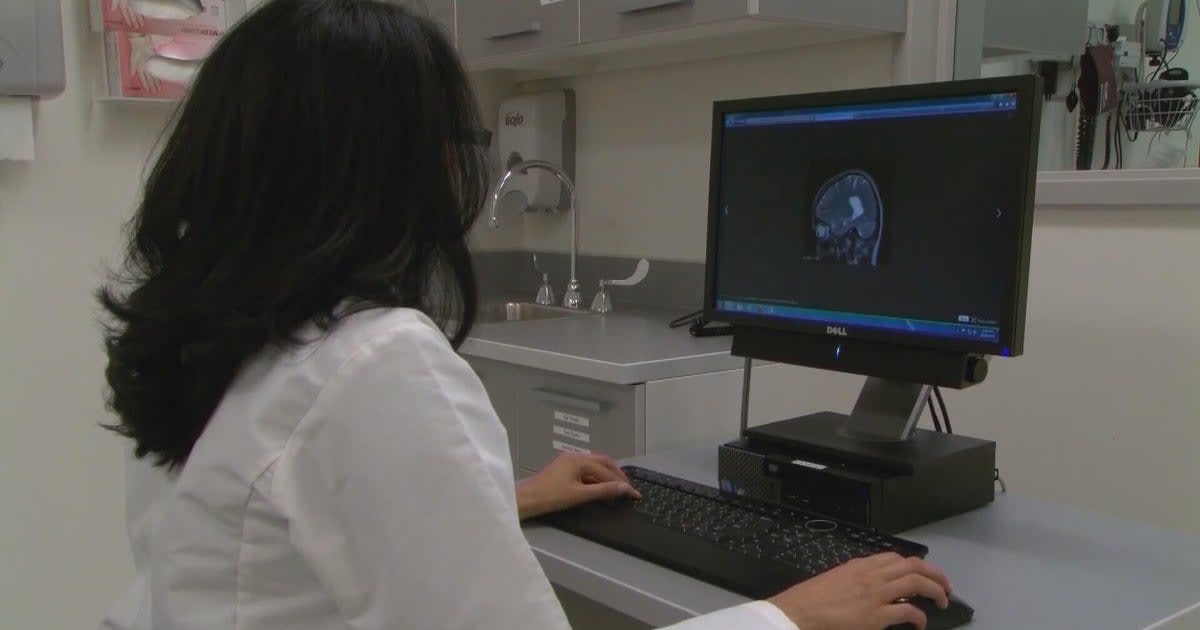
Dr. Terry Heiman-Patterson, a leading ALS expert at Temple, sees real potential in the approach. "There's potential here for a home run, and we would love to see that," she said.
The therapy aims to stabilize or slow disease progression over six months of treatment. That might not sound dramatic, but for ALS patients who currently have only a handful of medications that work for just some people, any progress matters.
Gregory Petry knows this reality intimately. Three years ago, the avid sailboat racer received his ALS diagnosis. Today he uses a wheelchair to get around, a dramatic shift from flying across the water during races.
Petry doesn't qualify for this particular trial, which seeks patients who've had symptoms for about two years. But he stays focused on hope rather than limitations.
"I think for those of us that have slower progression, there's a lot of hope right now," Petry said. He refuses to dwell on what he can't do anymore, choosing instead to stay positive and make the best of each day.
The Ripple Effect
Clinical trials like this one represent more than just one potential treatment. They signal a growing wave of research exploring new pathways to fight ALS, also known as Lou Gehrig's disease.
The immune system approach opens doors that didn't exist before. Where current treatments offer limited help, understanding how inflammation damages motor neurons could unlock multiple new therapies down the line.
Temple is actively enrolling more ALS patients in the study. Each person who participates helps researchers learn whether this immune-focused strategy can deliver the home run patients desperately need.
For people like Gregory, that growing menu of clinical trials translates directly into hope for the future.
Based on reporting by Google News - New Treatment
This story was written by BrightWire based on verified news reports.
Spread the positivity!
Share this good news with someone who needs it