
New Alzheimer's Treatments Give Families Hope After Decades
For the first time, breakthrough treatments can slow Alzheimer's cognitive decline in early stages. Florida's elder affairs secretary shares how policy changes could help millions access these life-changing advances sooner.
After decades of watching loved ones slip away to Alzheimer's with no real treatment options, families finally have reason for hope.
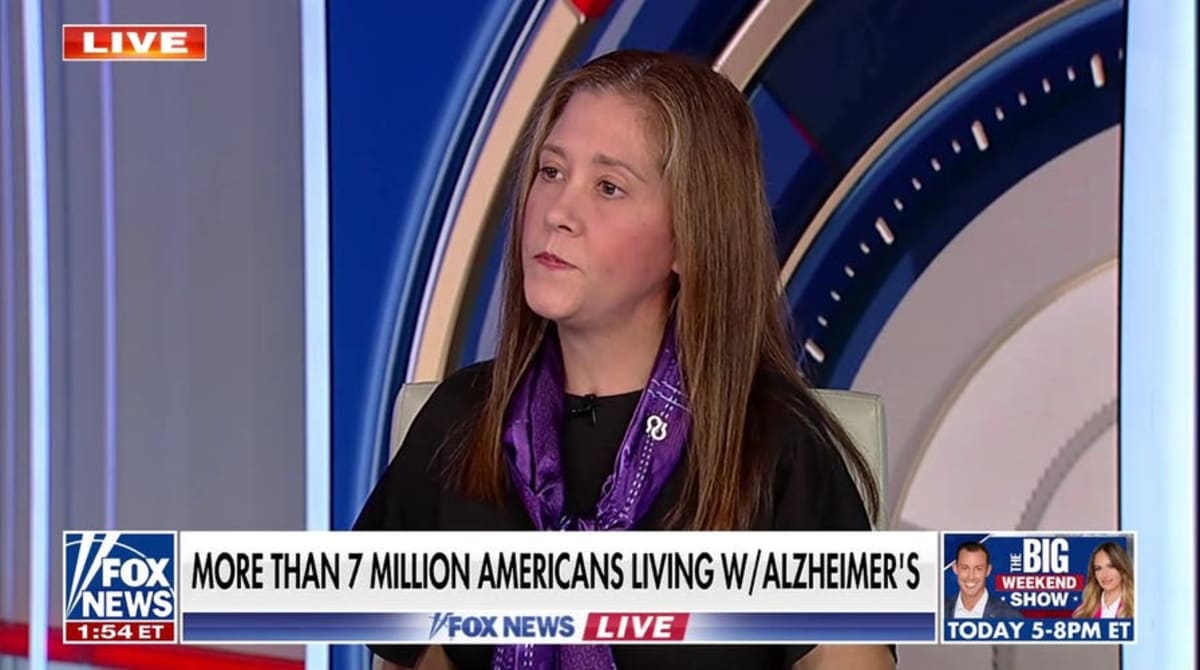
Michelle Branham's grandmother was the heart of her big Italian family in Queens, New York. She welcomed everyone into her home with warmth, laughter, and endless cooking. But in 2006, vascular dementia began stealing the vibrant woman who once shouted commentary at movie theaters while her grandchildren giggled in embarrassment.
Branham's grandmother lived with dementia for nearly a decade before passing away in 2016. Watching her decline pulled Branham into the fight against Alzheimer's, joining the Alzheimer's Association in 2012 to advocate for better research and policies.
At the time, the science wasn't there. Researchers desperately needed funding, and Branham traveled with patient advocates to state capitals and Washington, D.C., pushing for investment. They knew it was too late for many, but they hoped the next generation would have better options.
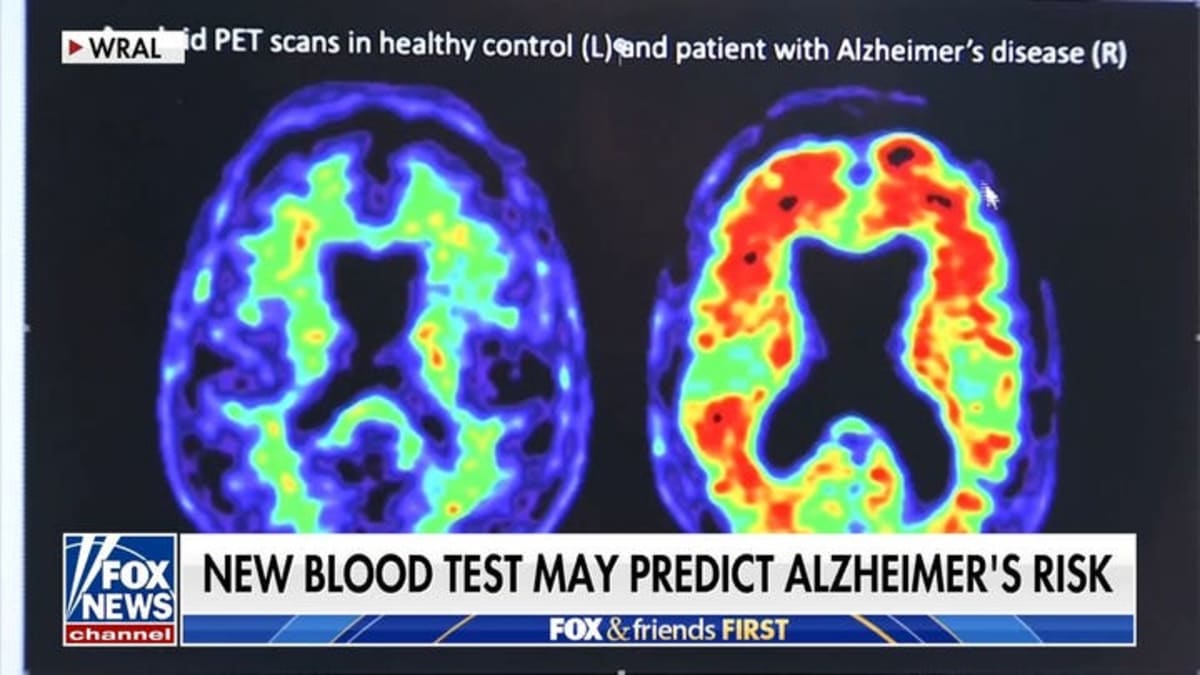
That hope is now reality. New blood tests can identify Alzheimer's years before symptoms become obvious, making earlier diagnosis possible. Simple lifestyle changes are showing promise in supporting cognitive health as we age. Most importantly, the first treatments proven to slow cognitive decline in early-stage Alzheimer's are now available.
Clinical trials are even exploring whether treating the disease before significant symptoms develop could delay or prevent cognitive decline altogether. These advances would have seemed impossible just a decade ago.
Why This Inspires
The challenge has shifted from advancing the science to ensuring patients can actually access these breakthroughs. As Florida's secretary of elder affairs and chair of the federal Advisory Council on Alzheimer's Research, Care and Services, Branham now leads efforts to close that gap.
Americans currently wait an average of three and a half years for a dementia diagnosis. By then, significant decline may have already occurred, limiting how much treatment can help. Branham's council recommends requiring standardized cognitive assessments during Medicare wellness visits, so early signs don't slip through the cracks during the window when intervention makes the greatest difference.
Congress is considering the ASAP Act, which would allow Medicare to cover FDA-approved Alzheimer's diagnostic tests for eligible patients. This would help people get diagnosed while time is still on their side.
For the millions of families who have watched someone they love disappear to Alzheimer's, these aren't just policy proposals. They represent the possibility of more meaningful time together, more memories preserved, and more moments that matter.
Branham's grandmother deserved more options than science could offer her generation, but today's families are getting the tools to fight back.
More Images


Based on reporting by Fox News Opinion
This story was written by BrightWire based on verified news reports.
Spread the positivity!
Share this good news with someone who needs it