New Antibody Shrinks Drug-Resistant Lung Cancer Tumors
Scientists at UT Southwestern developed an antibody that shrank resistant lung tumors in lab tests, opening hope for patients who run out of options. The treatment worked even against cancers that stopped responding to existing drugs.
Lung cancer patients who develop resistance to their medications just gained a powerful new reason for hope.
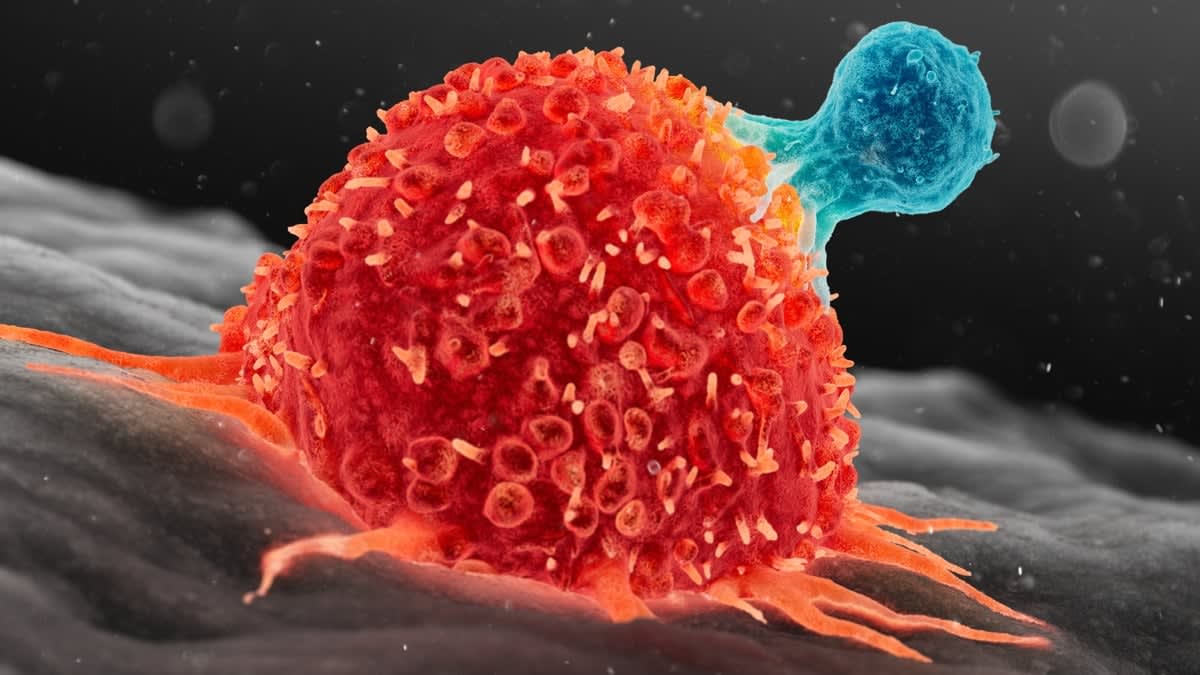
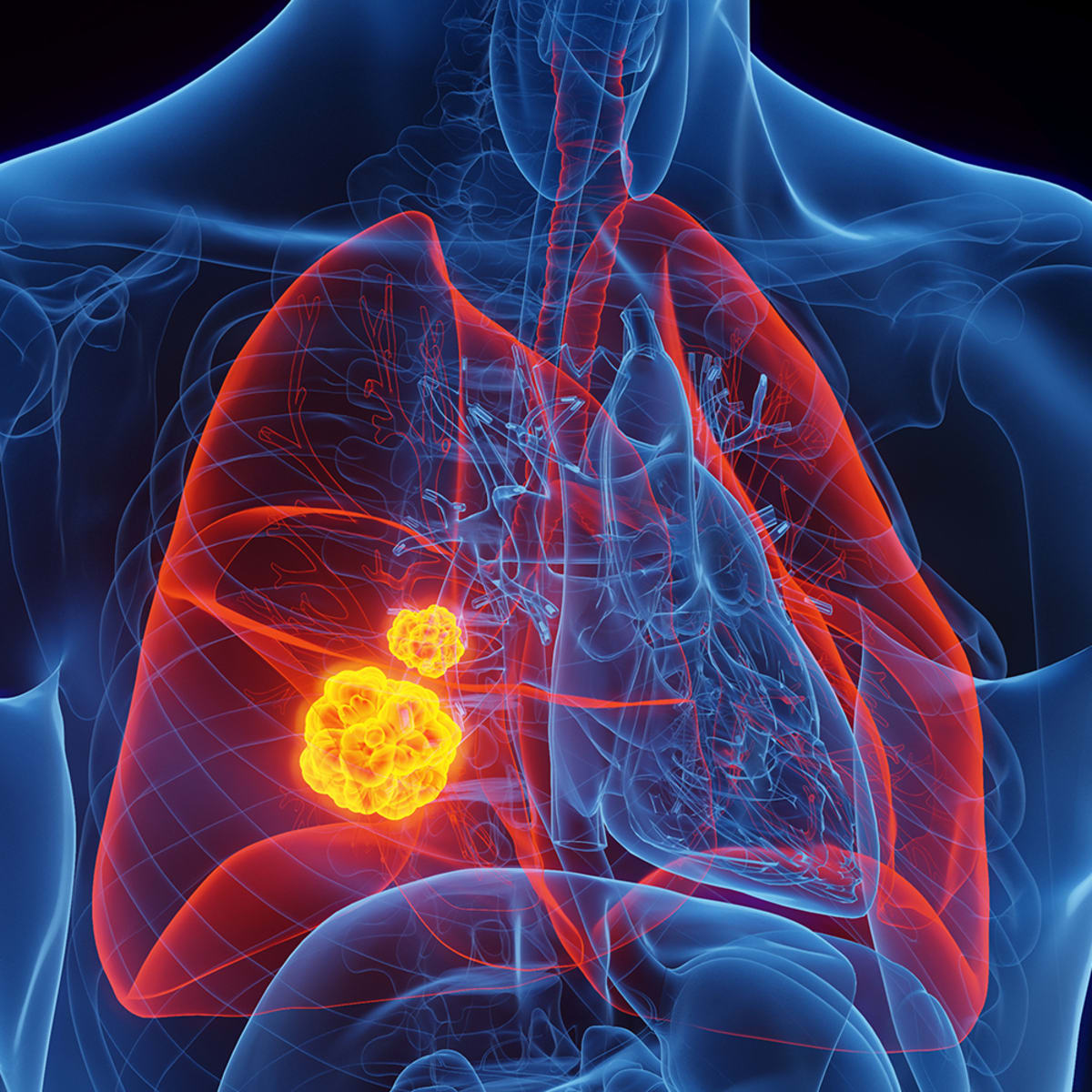
Researchers at UT Southwestern Medical Center created an experimental antibody called mAb7 that significantly shrank tumors in preclinical models of non-small cell lung cancer, the most common form of the disease. Most importantly, it worked against tumors that had stopped responding to existing targeted therapies.
The breakthrough targets a protein called PCDH7 that sits on the surface of cancer cells. Dr. Kathryn O'Donnell and her team first identified this protein as a lung cancer driver back in 2017, then spent years developing antibodies to attack it.
Non-small cell lung cancer accounts for 85% of all lung cancer cases in the United States and remains the leading cause of cancer deaths. About 25% of these cancers have mutations in a gene called KRAS, which causes cells to multiply out of control.
In 2024, the FDA approved a drug called adagrasib specifically for KRAS-mutant lung cancers. While initially effective, patients inevitably develop resistance over time, leaving them with few options.
That's where mAb7 comes in. Starting with hundreds of antibody candidates, the research team narrowed their focus to this single powerful option that bound strongly to PCDH7 and caused cancer cells to die.
When scientists treated mice with KRAS-mutant lung tumors using mAb7, the tumors shrank significantly. The results improved even more when combined with other cancer drugs, suggesting the antibody could work alongside existing treatments rather than replacing them.
The Bright Side
The team discovered something especially encouraging about treatment resistance. When tumors developed resistance to adagrasib, they produced more PCDH7 on their surfaces, making them vulnerable to mAb7.
This means the antibody could offer a lifeline precisely when patients need it most: after their initial treatment stops working. In tests, mAb7 successfully reduced the growth of these drug-resistant tumors.
The researchers also tested the antibody on mice with human immune systems to see how it might perform in actual patients. The antibodies recruited immune cells to attack the cancer, effectively eliminating tumor cells through the body's own defense system.
Dr. Nicole Novaresi, who co-led the study, notes the antibody will require extensive testing before reaching patients. However, the team envisions using it alone or combined with adagrasib and other emerging therapies.
The potential extends beyond lung cancer. PCDH7 appears on the surface of pancreatic, melanoma, and prostate cancer cells too, suggesting mAb7 could help patients fighting multiple types of cancer.
Researchers are already exploring ways to make the antibody even more powerful by attaching chemotherapy drugs or enhancing its ability to engage the immune system.
For the estimated 238,000 Americans diagnosed with lung cancer each year, this research represents more than scientific progress. It's a promise that resistance doesn't have to mean the end of the road.
Based on reporting by Google News - New Treatment
This story was written by BrightWire based on verified news reports.
Spread the positivity!
Share this good news with someone who needs it