New Immunotherapy Hope for Most Common Colon Cancer
Scientists discovered that timing might unlock immunotherapy for the 85% of colon cancer patients whose tumors don't respond to current immune treatments. Early results show 26% of these previously resistant tumors responded when treated before surgery instead of after.
For over 20 years, colon cancer treatment has followed the same playbook: surgery first, then decide on chemotherapy. Now researchers are discovering that switching the order could help patients whose cancer type has remained stubbornly resistant to one of medicine's most promising tools.
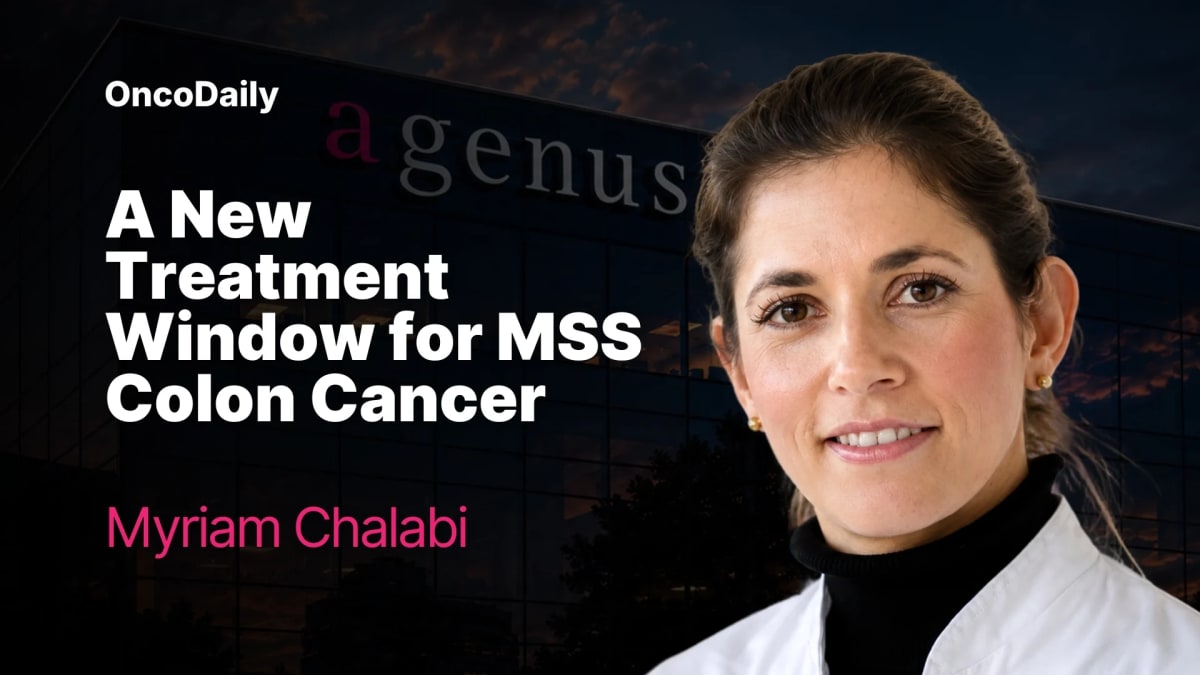
Dr. Myriam Chalabi and her team made a surprising discovery while studying colon cancer patients. Most people with this disease have what doctors call MSS tumors, which make up about 85% of all colon cancer cases and historically show little response to immunotherapy.
The research team wondered if the problem wasn't the treatment itself but when it was given. Metastatic cancer patients who've undergone multiple treatments might have different immune environments than those with early-stage disease.
They tested this theory with 31 patients who had early-stage MSS colon cancer. Each received just two doses of nivolumab and one dose of ipilimumab before surgery, with only four and a half weeks between the first treatment and their operation.
The results challenged everything doctors thought they knew about MSS colon cancer. Eight patients experienced significant tumor shrinkage, including some with deep pathological responses after receiving only three treatment doses total.
This 26% response rate might sound modest, but it represents real progress for a cancer type that wasn't supposed to respond at all. Traditional chemotherapy before surgery produces similar response rates of 20% to 25%, but comes with harsh side effects like nerve damage that can last years.
Why This Inspires
This discovery matters because it offers hope to the majority of colon cancer patients who couldn't benefit from immunotherapy breakthroughs. While patients with MSI tumors already see exceptional results from immune treatments, most patients have been left waiting for their turn.
The findings also hint at something bigger: what we thought was impossible might just need different timing. Early-stage tumors may preserve immune activity that gets exhausted in later-stage disease, opening a treatment window doctors didn't know existed.
Beyond response rates, this approach could reduce treatment burden. Shorter courses of immunotherapy cause fewer lasting complications than six months of chemotherapy, potentially improving quality of life alongside survival outcomes.
Approximately 20% to 40% of colon cancer patients still experience recurrence even after surgery and chemotherapy. This research represents the first real shift in treatment strategy in two decades, suggesting that working with the immune system earlier might succeed where traditional approaches plateau.
The door is now open for testing stronger immune combinations and identifying which patients are most likely to respond. For families facing colon cancer diagnoses, that represents something precious: a reason to believe better treatments are finally within reach.
More Images



Based on reporting by Google News - New Treatment
This story was written by BrightWire based on verified news reports.
Spread the positivity!
Share this good news with someone who needs it