New Battery System Makes Clean Energy Storage More Flexible
A Chinese manufacturer just launched a modular battery storage system that makes it easier and faster for utilities and businesses to store renewable energy. The flexible design could help more organizations embrace clean power.
Storing clean energy just got a whole lot easier for power companies and businesses trying to go green.
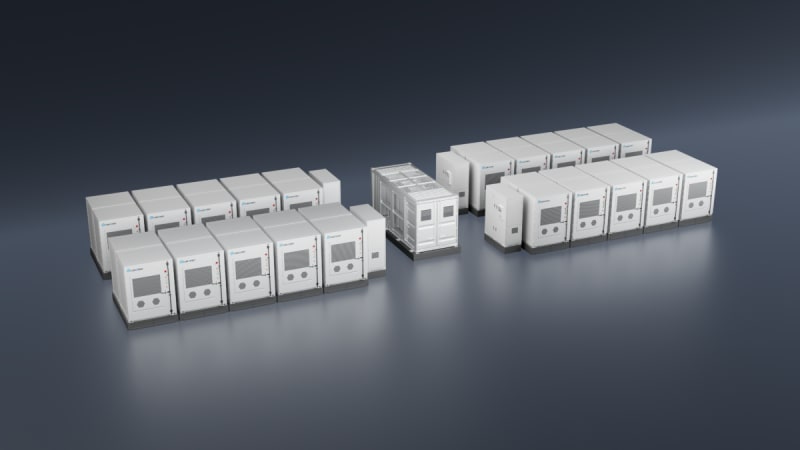
Cubenergy, a Chinese battery storage manufacturer, has unveiled its FlexCombo 2.0 energy block. The system is designed specifically for utility companies, factories, and commercial buildings that want to store renewable energy efficiently.
The new system uses modular battery units that work like building blocks. Customers can choose configurations with 10, 12, or 14 batteries, creating storage capacities ranging from 8 megawatt hours to 16 megawatt hours. That's enough to power hundreds of homes during peak demand.
What makes the FlexCombo 2.0 special is its flexibility. The modular design means organizations can start small and expand their storage capacity as their needs grow. They can also integrate the system seamlessly with existing power generation setups, cutting down on installation time and costs.
The batteries use lithium iron phosphate chemistry, which Cubenergy says will last through 8,000 charging cycles while maintaining 70% of their original capacity. For context, that's years of daily use before significant degradation occurs.
Each battery unit includes a power conversion system and comes with optional transformers for different power needs. The company designed everything to connect quickly and align with specific project requirements, making deployment faster than traditional energy storage solutions.
The Ripple Effect
Energy storage has become the missing piece in the renewable energy puzzle. Solar panels and wind turbines generate power when the sun shines and wind blows, but batteries let us save that clean energy for cloudy days and calm nights.
By making storage systems more accessible and scalable, products like the FlexCombo 2.0 help businesses and utilities make the switch to renewables without worrying about power gaps. Factories can run on stored solar power after sunset. Commercial buildings can draw from battery reserves during expensive peak hours.
The technology also supports grid stability, helping prevent blackouts as more renewable energy sources come online. When storage is easier to deploy, more organizations can participate in the clean energy transition without massive upfront investments or complex installations.
Every megawatt hour of battery storage installed brings us closer to a grid that runs on sunshine and wind instead of fossil fuels.
More Images
Based on reporting by PV Magazine
This story was written by BrightWire based on verified news reports.
Spread the positivity!
Share this good news with someone who needs it
_07_03_2026_03_50_21_133108.jpg)