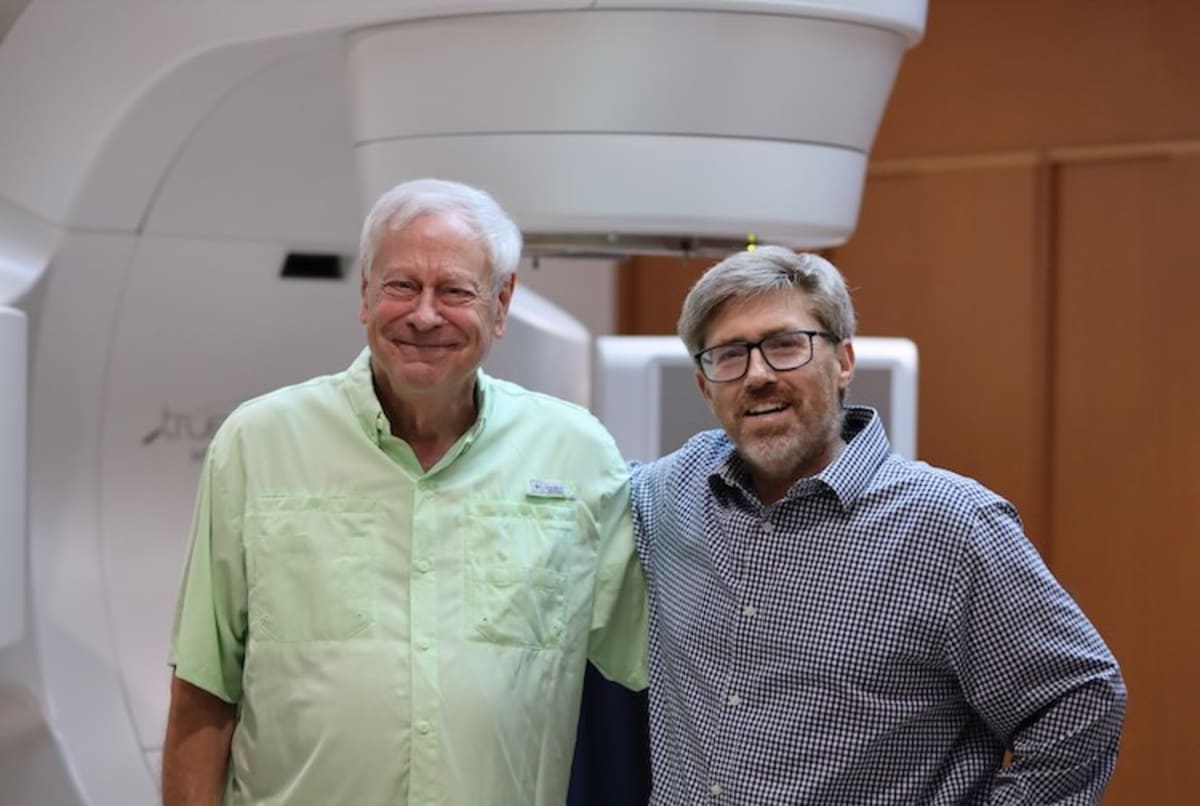
New Blood Cancer Treatment Gives Patients More Time
A groundbreaking immunotherapy combination helped 8 in 10 multiple myeloma patients live two years without their cancer getting worse, compared to just 5 in 10 with standard treatment. The global trial involving over 860 patients offers renewed hope for those facing this difficult blood cancer.
Patients with multiple myeloma now have a powerful new weapon in their fight against this stubborn blood cancer that often returns after treatment.
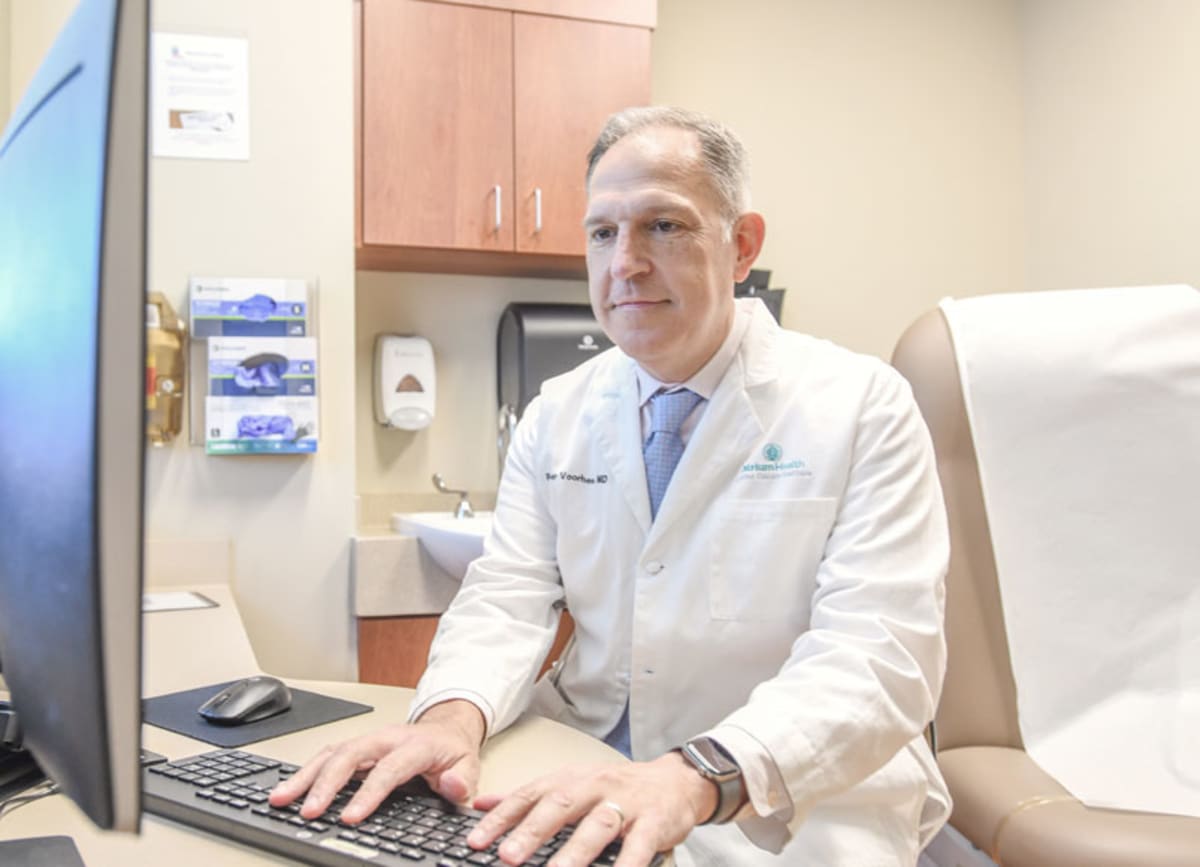
A massive international study involving more than 860 patients across 18 countries found that a new immunotherapy combination gave people significantly more time without their cancer progressing. Dr. Peter Voorhees from Wake Forest University School of Medicine presented the results at the European Hematology Association Congress in Sweden, with findings published in the prestigious New England Journal of Medicine.
The numbers tell a hopeful story. About 8 in 10 patients who received the new talquetamab-based combination were alive without their cancer worsening two years after starting treatment. In comparison, only about 5 in 10 patients on standard therapy achieved the same outcome.
The new treatment works by helping the body's own T cells target and destroy myeloma cells. Nearly 9 in 10 patients receiving the new combinations saw their cancer shrink, compared with about 8 in 10 on standard treatment.
"When multiple myeloma comes back, it can be incredibly difficult for patients and their families," Voorhees said. "This study suggests we may be able to offer a treatment to give patients more time, better disease control and most importantly, renewed hope."
Multiple myeloma is a blood cancer that becomes increasingly hard to treat each time it returns, making new therapies desperately needed. The research compared two talquetamab-based combinations against commonly used standard treatment in patients whose cancer had returned after at least one prior round of therapy.
The Ripple Effect goes beyond just one treatment advance. More than 180 medical sites participated in this trial, representing a global collaboration to tackle cancer. Early data also suggests improved survival rates at two years, though researchers need more time to confirm the full benefits.
While patients did experience side effects including changes in taste, weight loss and balance issues, relatively few needed to stop treatment entirely. Additional studies are already underway to understand long-term outcomes and explore using these combinations earlier in the disease journey.
For thousands of families facing multiple myeloma's return, this research represents something precious: more time together and genuine reasons for hope.
More Images
Based on reporting by Google News - New Treatment
This story was written by BrightWire based on verified news reports.
Spread the positivity!
Share this good news with someone who needs it