Australia Approves 18-Minute Blood Test for Alzheimer's
Australians with memory concerns can now get an Alzheimer's diagnosis in weeks instead of months, thanks to a newly approved blood test that delivers results in just 18 minutes. The breakthrough test can detect disease-related changes up to 20 years before symptoms appear.
Australians struggling with memory problems will soon skip the agonizing wait for an Alzheimer's diagnosis, thanks to a groundbreaking blood test approved by the country's medical regulator.
The Therapeutic Goods Administration has greenlit the pTau217 blood plasma test, making Australia one of the first countries to incorporate this technology into routine GP care. The test delivers results in as little as 18 minutes and can detect Alzheimer's-related changes up to two decades before symptoms emerge.
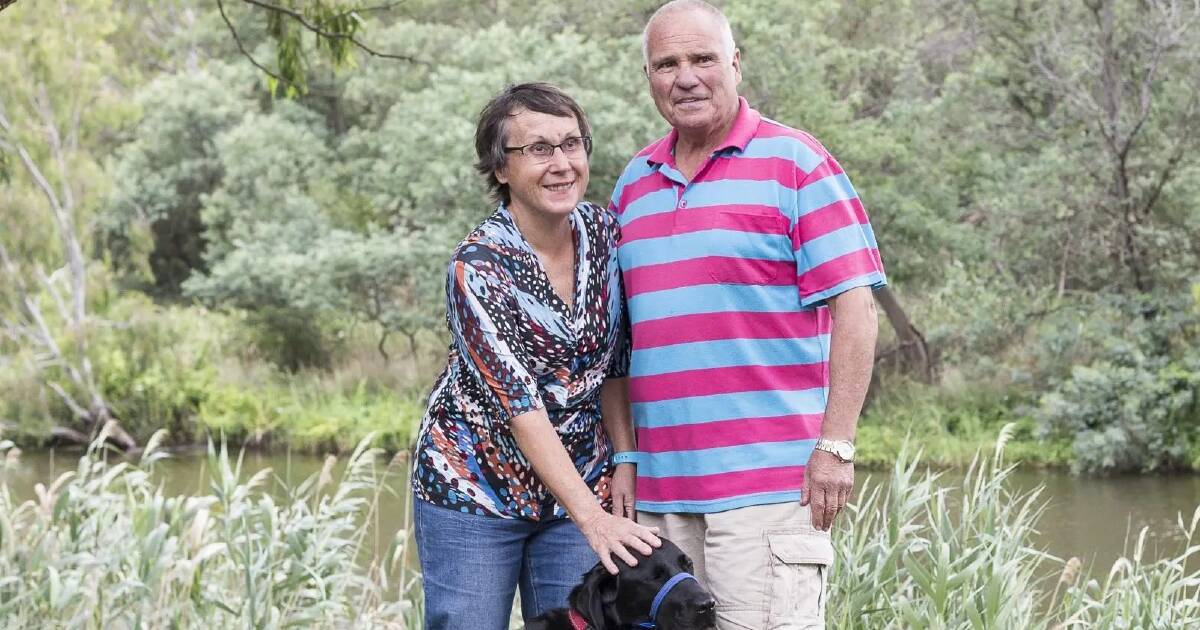
For Joe Coppi from Geelong, the news hits close to home. His wife Joyce endured months of testing 13 years ago before receiving her Alzheimer's diagnosis at age 60. Joe first noticed something wrong during their retirement travels overseas when Joyce struggled to remember places they'd recently visited.
"People with significant memory problems can now, within a couple of weeks, get a very accurate diagnosis at a cost of about $350," said Associate Professor Michael Woodward, medical advisor for Dementia Australia. "The good news is you no longer have to waste months, sometimes even longer, waiting to see a specialist."
The test is particularly game-changing for people in rural and regional areas who previously had to travel to major cities for specialized testing. Now any GP can order the blood test, eliminating the geographic barrier to diagnosis.
Doctors stress the test is currently designed for people already experiencing memory concerns, not as a screening tool for healthy individuals without symptoms.
The Ripple Effect
The Coppis refused to let Joyce's diagnosis derail their retirement dreams. They labeled kitchen cupboards and wardrobe drawers to help Joyce navigate their home. They downloaded apps to control the TV and lights from a phone. Most remarkably, they bought the caravan they'd always dreamed about and set off on adventures across Australia.
"The real key thing is to take a positive approach," Joe said. "It's going to get you eventually, but something is going to get all of us one day. So do as much as you can."
Until recently, Joyce was still hitting the gym regularly. The couple participated in several dementia research trials together, contributing to the kind of breakthrough that will help others receive faster diagnoses. Their three daughters have watched their mother's decline but remain a strong support system.
Joe's advice for others facing similar challenges is simple: "Be positive, keep doing your hobbies and get involved with other people."
Alzheimer's accounts for 60 to 70 percent of all dementia cases, with an estimated 446,500 Australians currently living with the disease. The World Health Organization says nearly half of all dementia cases are preventable through managing risk factors like untreated hearing loss and environmental pollution.
This faster, more accessible diagnostic tool means more people can start treatment earlier and plan their lives with clarity rather than uncertainty.
Based on reporting by Google News - Australia Breakthrough
This story was written by BrightWire based on verified news reports.
Spread the positivity!
Share this good news with someone who needs it