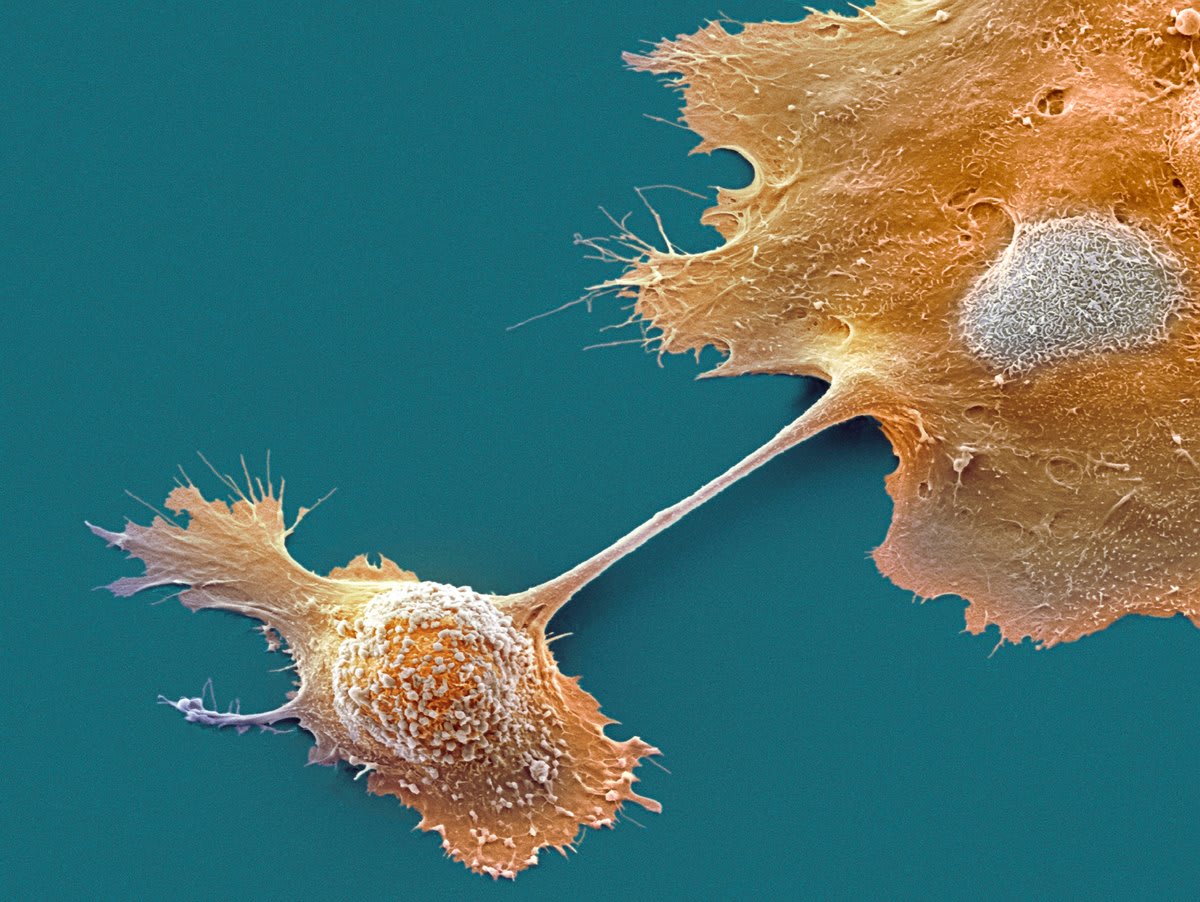
New Blood Test Detects Pancreatic Cancer 87% of the Time
Scientists have developed a blood test that catches pancreatic cancer in its earliest stages with 87% accuracy, offering hope for a disease that's usually diagnosed too late. The test could save countless lives by detecting the deadly cancer years before symptoms appear.
For the first time, doctors may have a way to catch pancreatic cancer before it becomes a death sentence.
Scientists have developed a blood test called PANXEON that detects early-stage pancreatic cancer with 87% accuracy. The breakthrough, published in Nature Medicine, could transform care for one of the deadliest cancers we face.
Pancreatic cancer kills so many people because we almost never find it early. There's no routine screening like mammograms or colonoscopies. People can live with the disease for years without knowing because early symptoms are practically invisible.
By the time most patients feel sick enough to see a doctor, the cancer has already spread. That's why only 13% of patients survive five years after diagnosis.
About 1,800 people across the U.S., Europe, and Asia participated in the clinical trial. The blood test successfully identified stage 1 and 2 cancers 87% of the time with few false alarms. Even more exciting, it caught precancerous conditions more than 64% of the time in high-risk patients.
The test works by screening blood for three molecular signatures that signal pancreatic cancer. Artificial intelligence analyzes the results and assigns each person a risk score. Doctors can use that score to decide if someone needs more testing or immediate treatment.
This matters most for people with inherited cancer risk or those who've had pancreatitis. These high-risk groups could get regular blood tests the same way others get annual mammograms.
Why This Inspires
We've needed this breakthrough for decades. Researchers have called early detection of pancreatic cancer the "holy grail" of cancer medicine because it's been so impossible to achieve.
The test still needs more advanced trials before doctors can use it in clinics. But the early results show real promise for catching cancer when treatment actually works.
Dr. Ajay Goel, who led the study at City of Hope cancer center, put it simply: "The earlier we find pancreatic cancer, the greater the chance that meaningful intervention is still possible."
That chance could mean everything to the thousands of families touched by this disease each year.
More Images


Based on reporting by Scientific American
This story was written by BrightWire based on verified news reports.
Spread the positivity!
Share this good news with someone who needs it