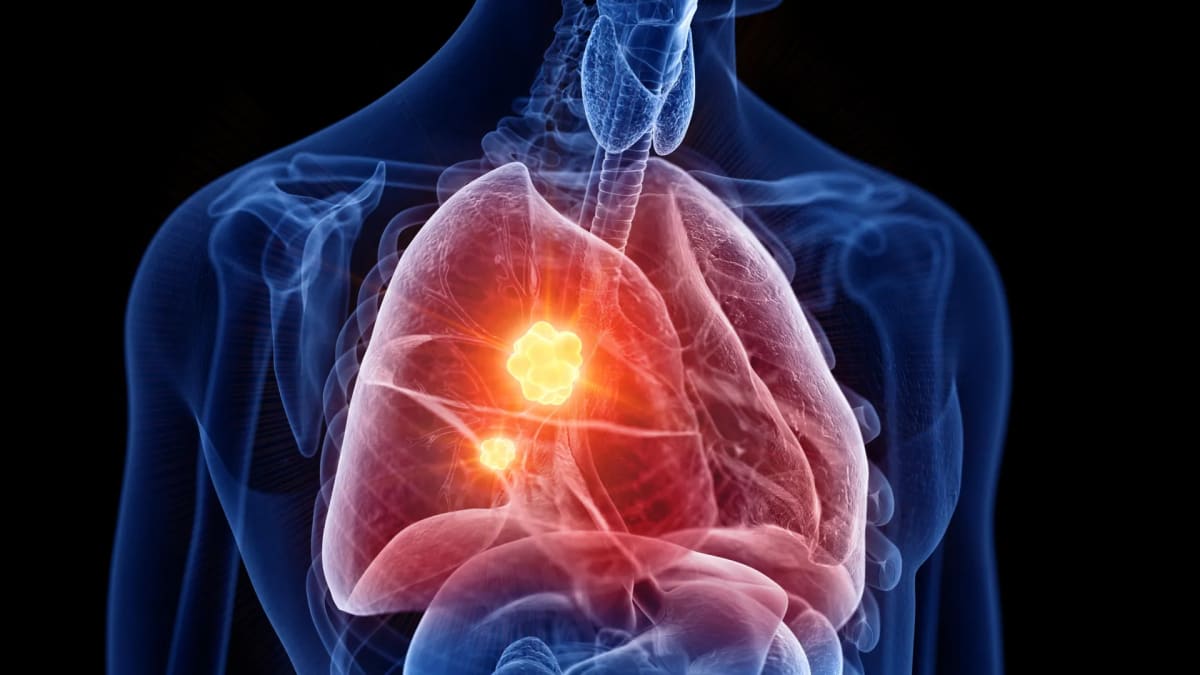
New Cancer Drug Controlled Disease in 67% of Patients
Scientists turned cancer cells' own survival system against them, creating an experimental drug that controlled mesothelioma in two-thirds of patients during early trials. The breakthrough could open doors for treating other aggressive cancers.
A counterintuitive treatment strategy is giving hope to patients facing one of the deadliest cancers known to medicine.
Researchers at the University of Vermont developed an experimental drug that flips the script on how we fight mesothelioma, an aggressive cancer linked to asbestos exposure. Instead of boosting antioxidants to protect cells, the treatment strips away a key defense system that cancer cells need to survive.
The approach targets an enzyme called PRX3 that helps tumor cells manage the toxic stress created by their own rapid growth. When the drug blocks this protective enzyme, dangerous molecules build up inside cancer cells until the damage becomes fatal.
In a phase one clinical trial, the treatment controlled disease progression in 67% of patients whose cancer had already come back after other treatments. Some patients even saw their tumors shrink, and the critically ill participants lived longer than expected with standard care.
What makes this discovery particularly exciting is how selective it appears to be. Cancer cells produce far more oxidative stress than healthy cells, making them more dependent on defenses like PRX3. Studies in mice showed that animals could develop and function normally without the enzyme, suggesting the treatment might spare healthy tissue while attacking tumors.
Brian Cunniff, a professor at the University of Vermont who helped develop the treatment, says mesothelioma represents a significant unmet medical need. About 30,000 people worldwide receive a mesothelioma diagnosis each year, many of them men who worked in shipbuilding, oil refining, or asbestos manufacturing decades ago. Current treatments offer limited help, and median survival sits at just 12 months.
The drug, called RSO-021, started as laboratory research at UVM's Cancer Center around 2015. The team transformed a naturally occurring antibiotic called thiostrepton into a clinical formulation and launched a company called RS Oncology to bring it to patients.
The Ripple Effect: The strategy behind this treatment could extend far beyond mesothelioma. Many cancer types rely on similar antioxidant defenses to survive the oxidative stress created by rapid tumor growth. If targeting PRX3 proves safe and effective in larger trials, researchers could apply the same approach to other hard-to-treat cancers that share this vulnerability.
Scientists spent years testing whether adding antioxidants could fight cancer, but many of those trials failed or even helped tumors grow. This new approach does the opposite, and early results suggest the logic makes sense.
The treatment was generally well tolerated in the trial, an important sign for patients who are already battling a devastating disease.
A decade of work transformed a laboratory discovery into medicine that's now helping real patients fight back against an aggressive cancer.
Based on reporting by Science Daily
This story was written by BrightWire based on verified news reports.
Spread the positivity!
Share this good news with someone who needs it