New Cancer Vaccine Cuts Melanoma Death Risk by 49%
A breakthrough cancer vaccine combined with an existing drug slashed the risk of deadly melanoma returning by nearly half in major clinical trials. The treatment could reach patients within months if approved.
A promising new weapon against the deadliest form of skin cancer just passed its biggest test yet, bringing hope to the 112,000 Americans diagnosed with melanoma each year.
Moderna and Merck announced in August that their experimental mRNA cancer vaccine, combined with the immunotherapy drug Keytruda, dramatically reduced the risk of melanoma coming back or causing death. Patients who received the combination were 49% less likely to die or see their cancer return compared to those taking Keytruda alone, based on results tracked over five years.
The news comes from a major phase 3 clinical trial that confirmed earlier promising results. About 20 patients participated at UCHealth University of Colorado Hospital, one of several sites testing the treatment on people who'd had melanoma surgically removed but faced high risk of the cancer spreading to their lymph nodes, lungs, liver, bones, or brain.
Dr. Theresa Medina, the oncologist who led the Colorado trial site, said the results represent a major leap forward. Just a decade ago, Keytruda alone brought a 40% improvement over previous melanoma treatments when it was approved in 2014.
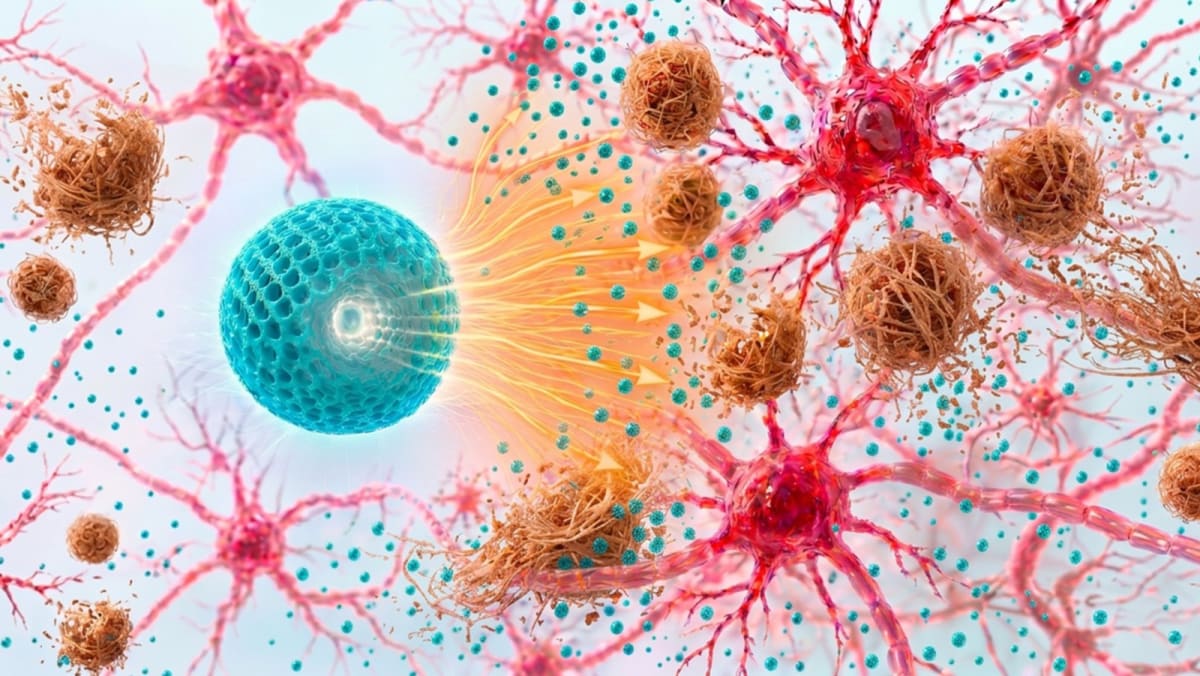
The vaccine works like a personalized training program for your immune system. Scientists sequence DNA from each patient's removed tumor and identify up to 34 unique proteins that appear only on cancer cells. They then create custom mRNA strands that teach the body to recognize and attack any remaining cancer cells hiding in the body.
The process takes about six weeks from tumor removal to vaccine creation. Patients receive the personalized vaccine alongside Keytruda for up to a year, giving their immune systems a double boost against microscopic cancer cells that surgery might have missed.
The Ripple Effect
Moderna and Merck aren't stopping with melanoma. They're already testing this personalized vaccine approach in lung, kidney, and bladder cancers, potentially opening new treatment options for hundreds of thousands of patients.
Colorado residents stand to benefit particularly from this breakthrough, as the state's high altitude and thinner atmosphere increase exposure to cancer-causing UV rays. More than 8,500 Americans are expected to die from melanoma spreading this year alone.
If the FDA follows its typical review timeline for promising melanoma treatments, patients could access this combination therapy within months rather than years.
A treatment that turns your own cells into cancer-fighting factories is about to give thousands of families more time together.
More Images


Based on reporting by Google News - New Treatment
This story was written by BrightWire based on verified news reports.
Spread the positivity!
Share this good news with someone who needs it