New Cargo Ship Cuts Freight Emissions by 40% in Australia
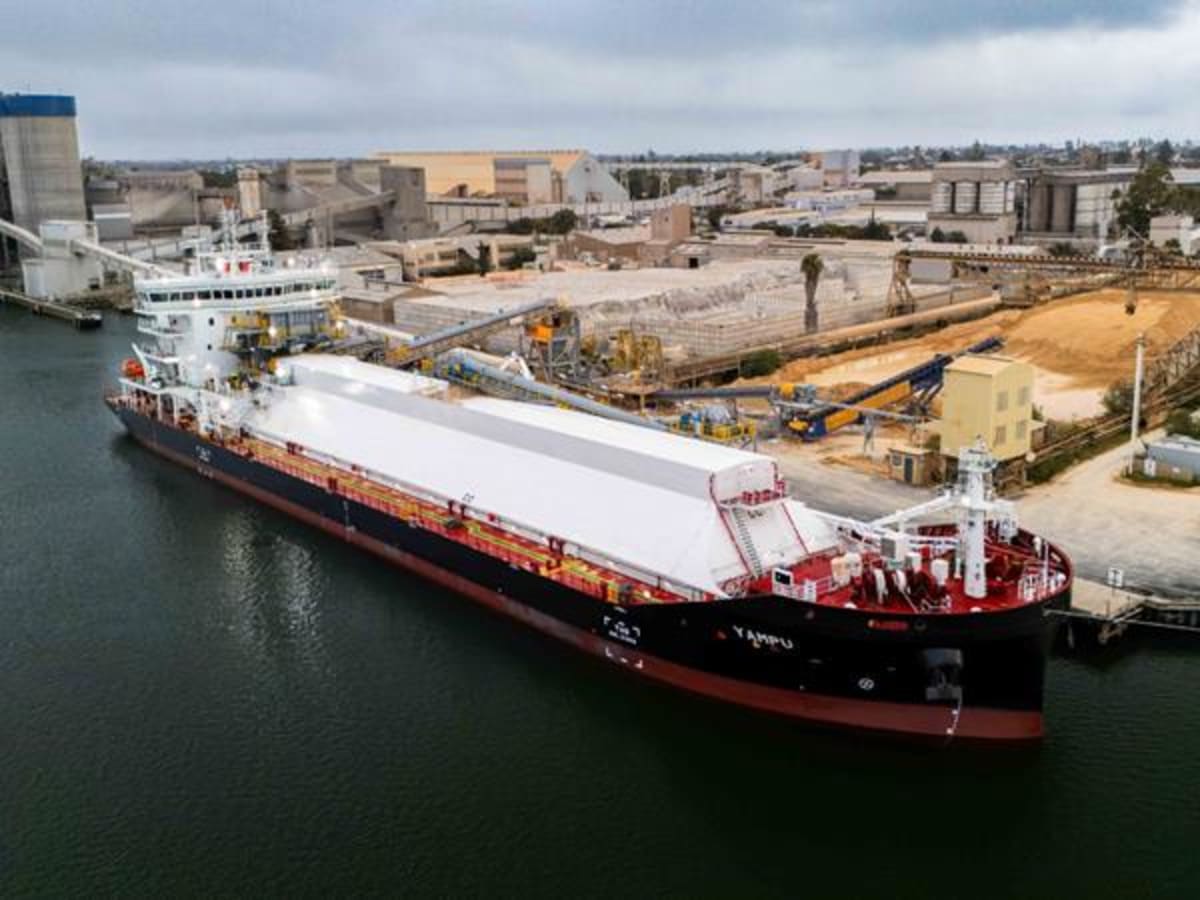
Australia's first self-loading bulk cargo ship is slashing emissions while moving millions of tons of limestone across the Gulf St. Vincent. The MV Yampu runs on battery power for nearly half its journey and eliminates the need for 300-mile diesel truck routes.
A massive new cargo ship in Australia is proving that even heavy industry can clean up its act without slowing down.
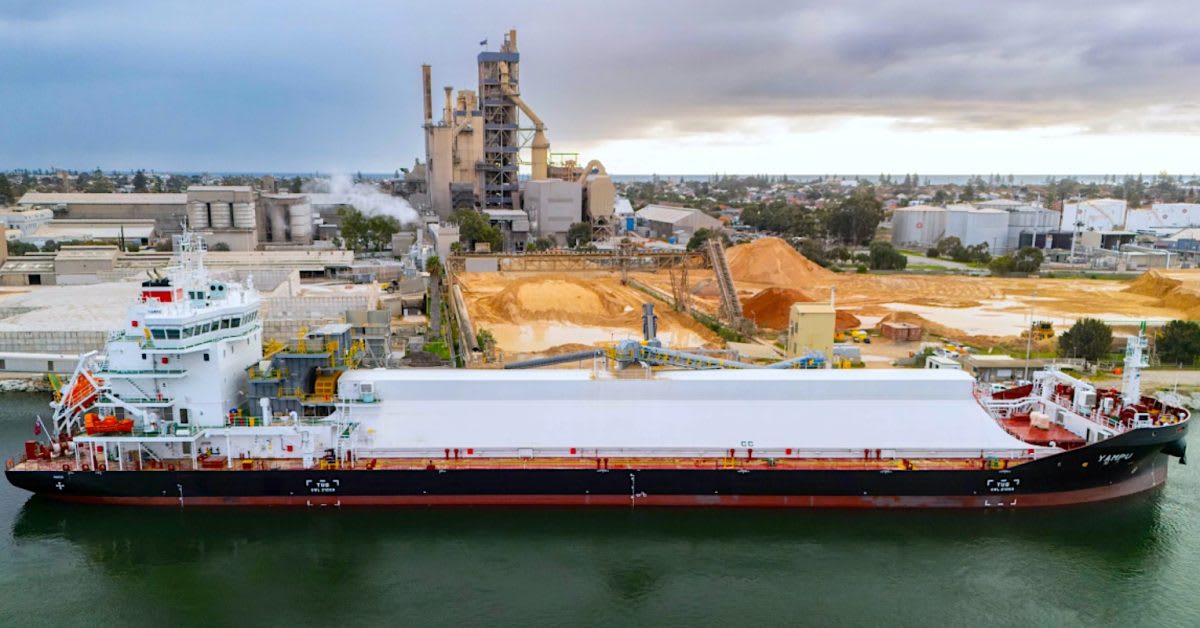
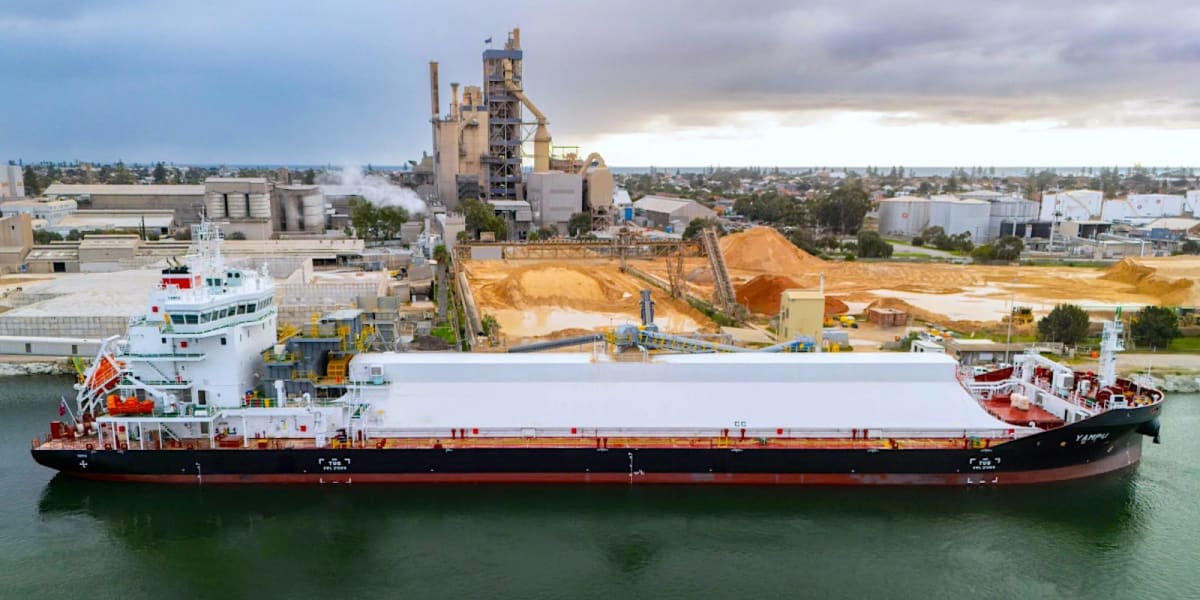
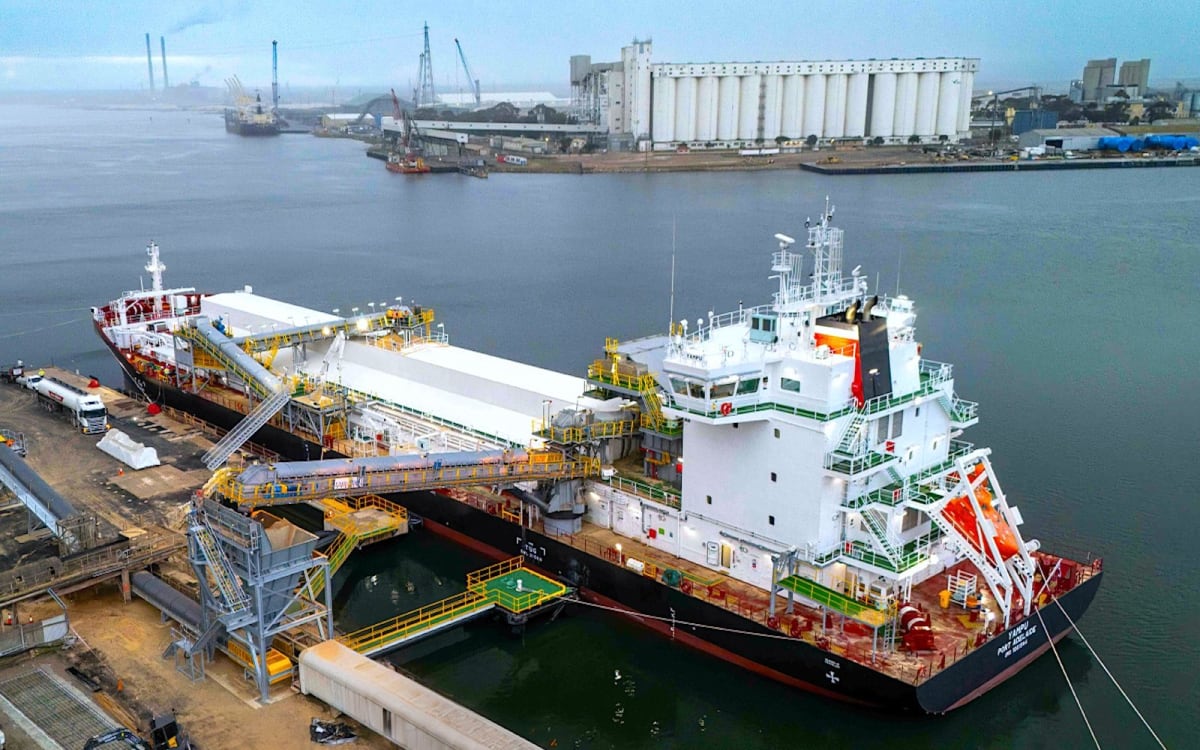
The MV Yampu just launched as the world's first self-loading and unloading bulk cargo vessel, and it's already making waves. Built by CSL Group for concrete manufacturer Adbri, the 410-foot ship moves 2.7 million tonnes of raw limestone every year across a 42-mile stretch of Australia's Gulf St. Vincent.
Here's where it gets exciting. The ship runs on a diesel-electric hybrid system powered by a massive 131-ton marine battery that can crank out over 800 horsepower. That battery lets the vessel operate on pure electric power for up to 40% of each journey.
The route connects Klein Point quarry on the Yorke Peninsula to a cement factory in Birkenhead, Adelaide. Every trip the MV Yampu makes saves a big diesel truck from grinding through a 300-mile round trip on land.
The numbers tell the story. Compared to the ship it replaced, the MV Yampu cuts fuel use by 25% and slashes emissions by over 40%. That's real progress happening right now, not someday in the future.
But the batteries aren't just moving the ship. They also power the vessel's self-unloading equipment, which means the ship can transfer cargo from hold to shore without firing up diesel generators or relying on mobile conveyors. The whole loading and unloading process runs cleaner and faster.
"MV Yampu represents a significant step forward in our decarbonization journey, and demonstrates how practical innovation can deliver real environmental benefits while meeting the demands of commercial operations," says CSL CEO Louis Martel.
The Ripple Effect
Every load of limestone this ship carries becomes the cement that builds homes, hospitals, schools, and roads across South Australia and Victoria. Cleaner shipping means cleaner building materials, which means every structure going up in the region has a smaller carbon footprint from day one.
The technology proves that massive industrial operations can transition away from fossil fuels without sacrificing efficiency. Other shipping companies are watching closely, and the success of the MV Yampu could inspire similar conversions across Australia's extensive coastline and beyond.
CSL and Adbri are already looking ahead. They hope that as shore-charging infrastructure develops and battery technology improves, future vessels can go fully electric. The target date whispered in the industry is 2031, which might sound cautious, but it represents a clear roadmap forward.
The cement and shipping industries have long struggled with their environmental impact, but the MV Yampu shows that creative engineering can solve problems that seemed impossible just a few years ago.
More Images


Based on reporting by Electrek
This story was written by BrightWire based on verified news reports.
Spread the positivity!
Share this good news with someone who needs it