New Chip Uses 5,000x Less Energy for AI Computing
Researchers in Milan just created a chip that slashes energy use by up to 5,000 times while speeding up data processing. This breakthrough could make artificial intelligence far more sustainable and accessible.
Scientists at Politecnico di Milano have built a revolutionary computer chip that could transform how we power the AI revolution without burning through massive amounts of energy.
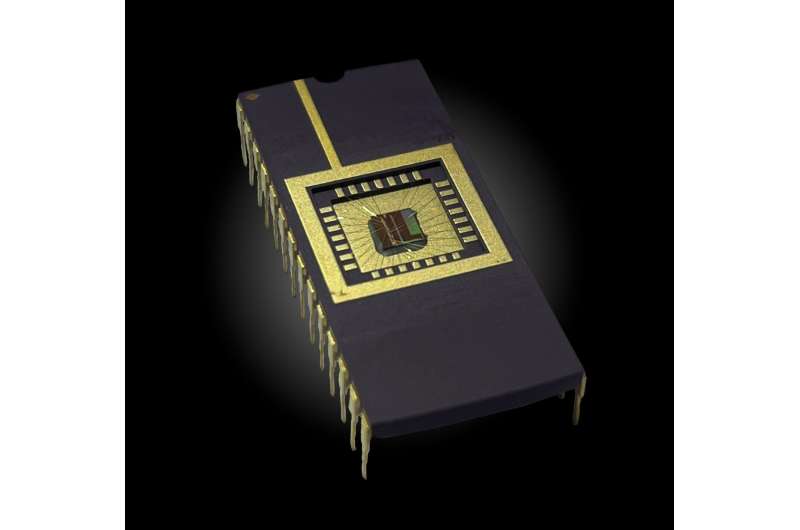
The new chip, detailed in Nature Electronics, tackles one of computing's biggest headaches: the endless back-and-forth shuffle of data between a computer's memory and its processor. By doing calculations right where the data lives, the chip eliminates this energy-draining traffic jam.
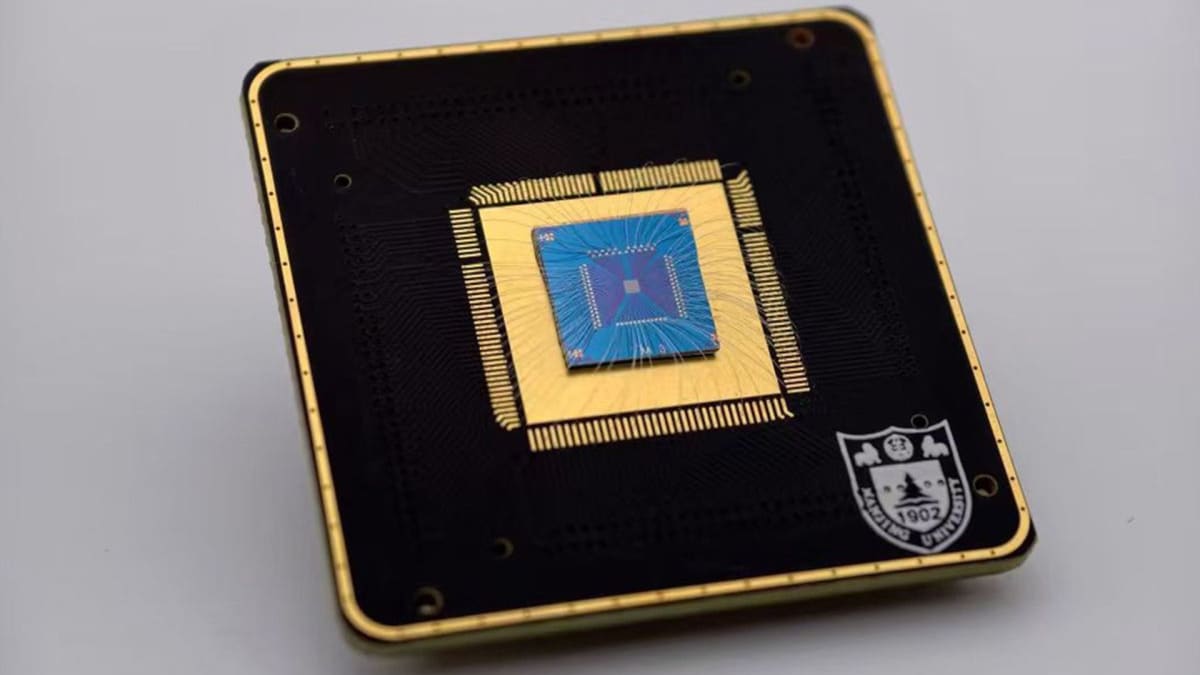
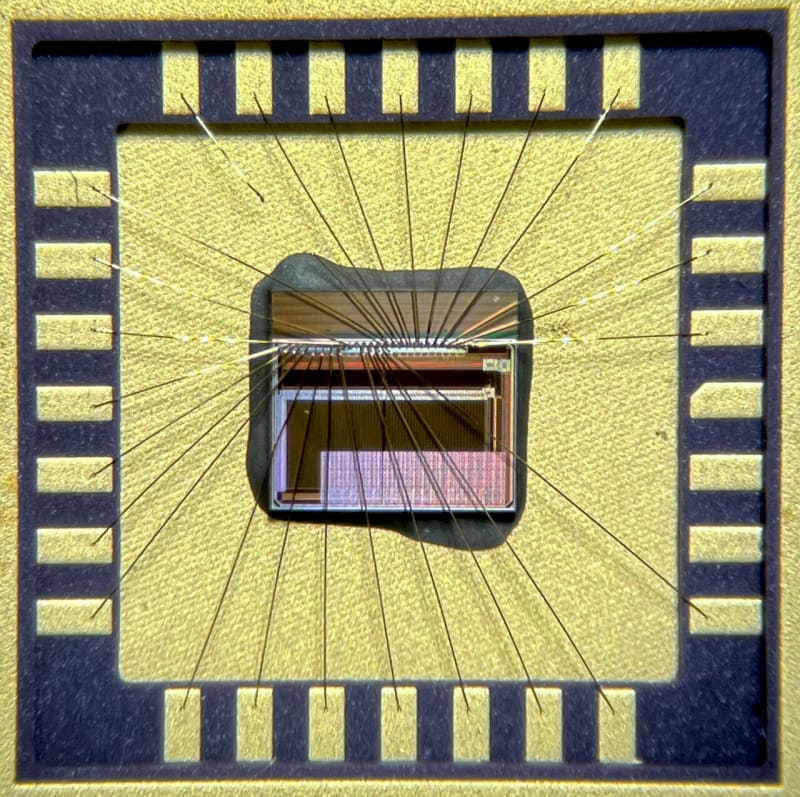
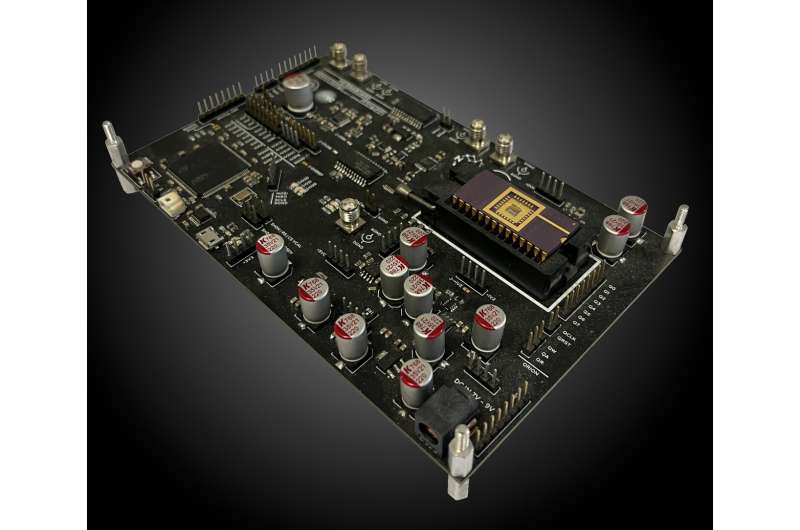
Professor Daniele Ielmini and his team spent years developing this breakthrough through the ANIMATE project. The result is a tiny silicon chip packed with two grids of programmable memory cells, each 64 by 64, that work together to crunch numbers on the spot.
The technology, called closed-loop in-memory computing, delivered stunning results in tests. The chip matched the accuracy of traditional digital systems but used dramatically less power, worked faster, and took up less space on silicon.
"The integrated chip demonstrates the feasibility on an industrial scale of a revolutionary concept," Ielmini explained. His team is already working to deploy this innovation in real-world applications, especially for artificial intelligence.
Why This Inspires
This isn't just about faster computers. As AI becomes woven into everything from smartphones to hospitals, its energy appetite has become a serious concern for our planet.
Data centers powering AI already consume enormous amounts of electricity. This chip offers a path forward where we can enjoy AI's benefits without the guilt of a massive carbon footprint.
The applications stretch across nearly every corner of modern life: smarter robots, more efficient data centers, better navigation systems, and the next generation of wireless networks including 5G and future 6G technology. Researcher Piergiulio Mannocci noted the work came from international collaboration between universities and industry, proving that when brilliant minds unite, they can solve seemingly impossible problems.
The chip uses standard manufacturing techniques already common in the semiconductor industry, meaning it could scale up to mass production relatively quickly. No exotic materials or impossible-to-replicate lab conditions required.
For anyone worried about AI's environmental impact or wondering if we can sustain our tech-driven future, this Milan team just delivered a powerful answer: innovation can make technology both smarter and kinder to our planet.
More Images
Based on reporting by Phys.org - Technology
This story was written by BrightWire based on verified news reports.
Spread the positivity!
Share this good news with someone who needs it