New DHS Chief Speeds Up Disaster Relief After NC Visit
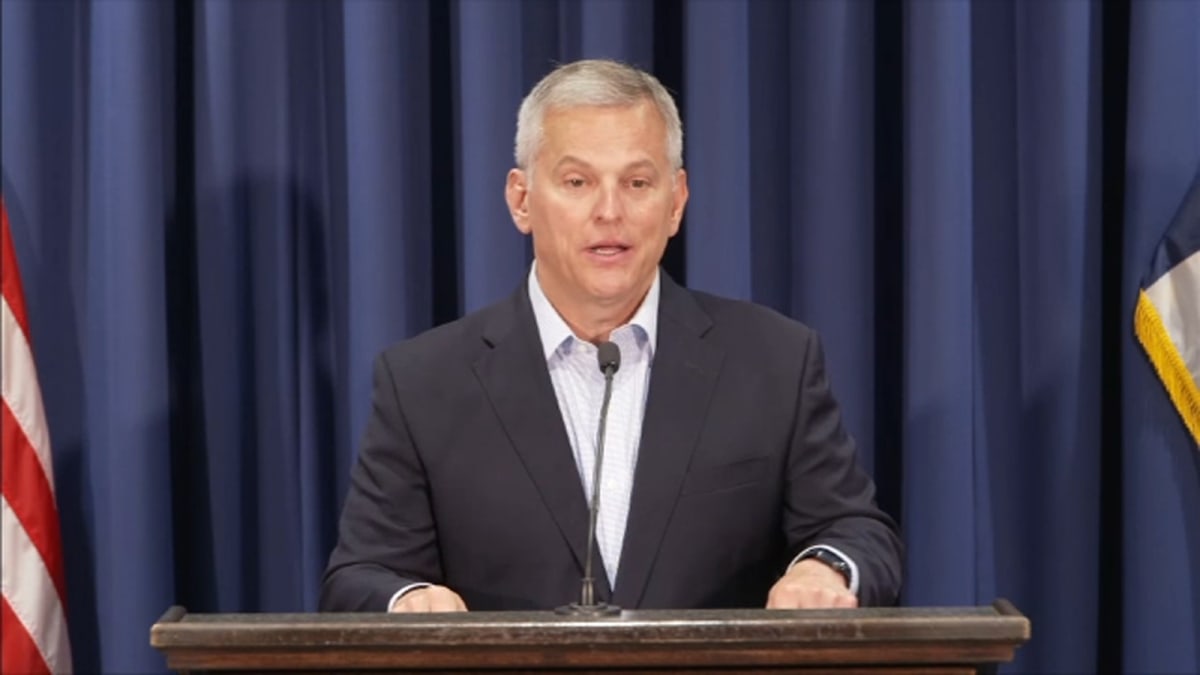
Homeland Security Secretary Markwayne Mullin toured Hurricane Helene's devastation in North Carolina and immediately pledged to clear a massive backlog of disaster aid. His first official trip signals a major shift toward faster relief for communities still rebuilding 18 months after the storm.
Communities across North Carolina got a dose of hope this week as the nation's new Homeland Security chief promised to finally speed up desperately needed disaster payments.
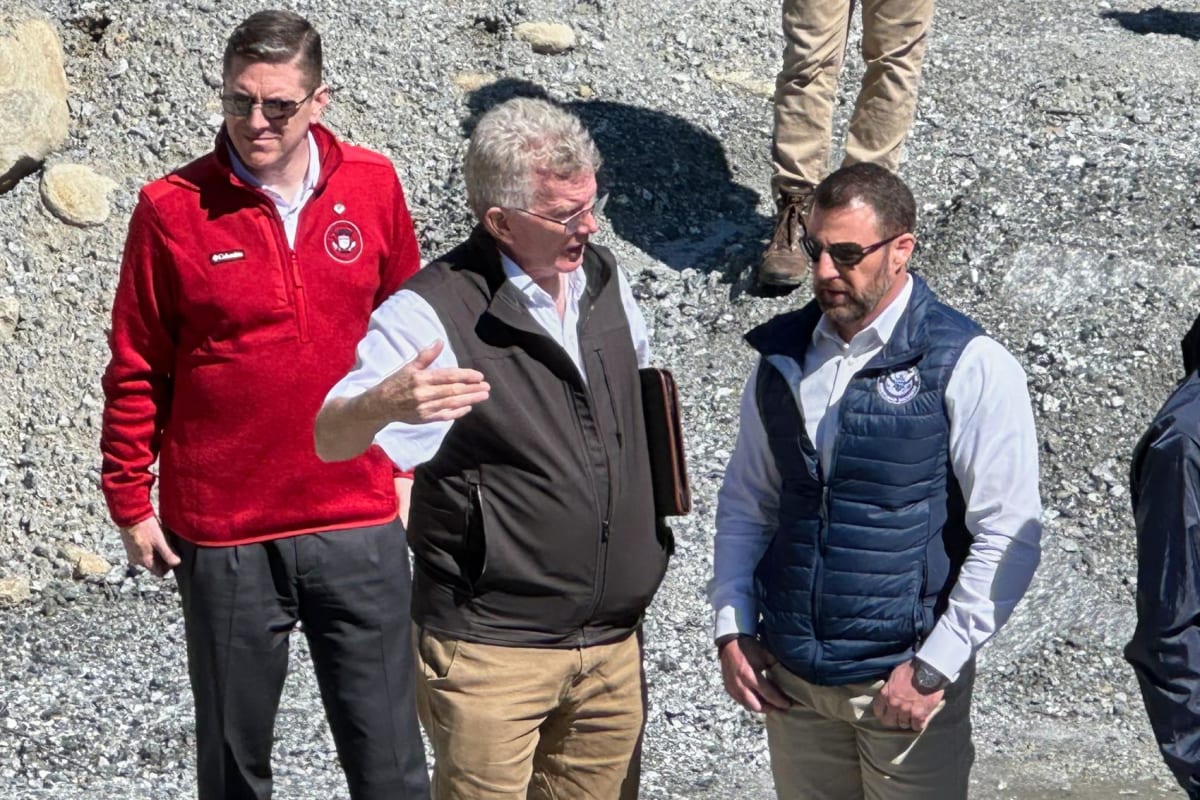
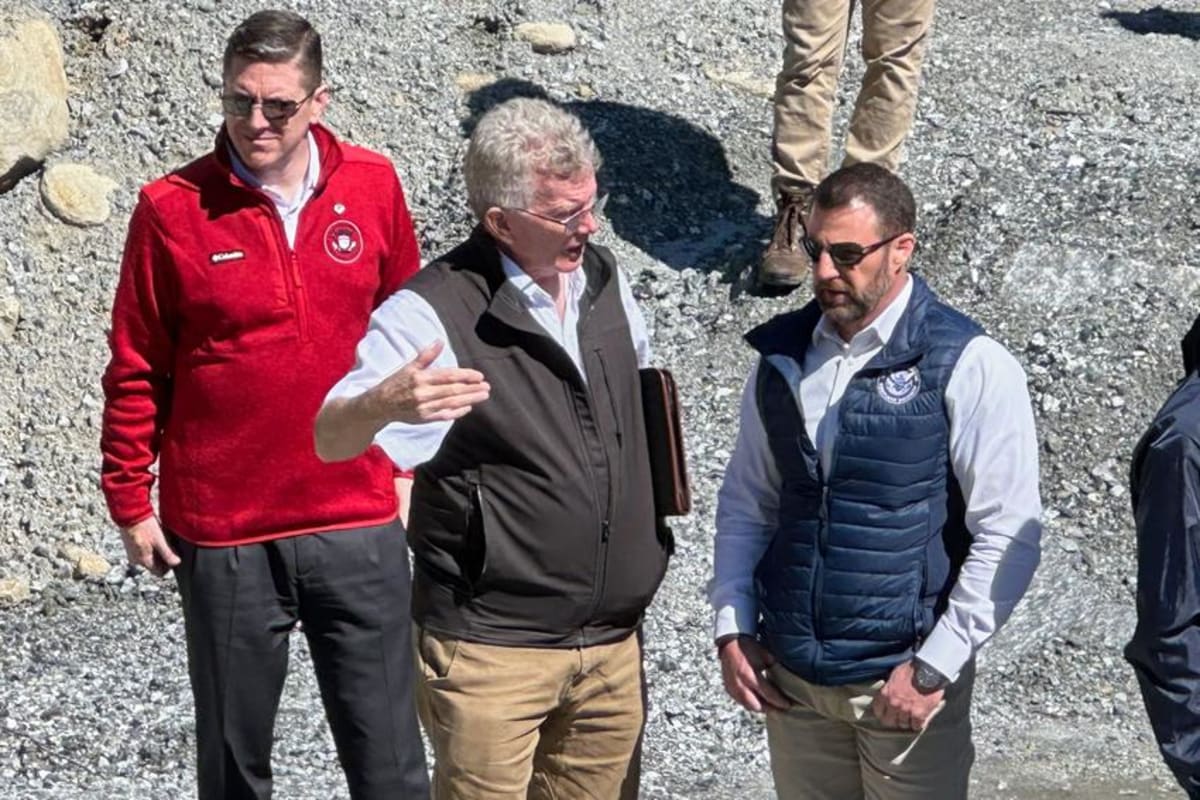
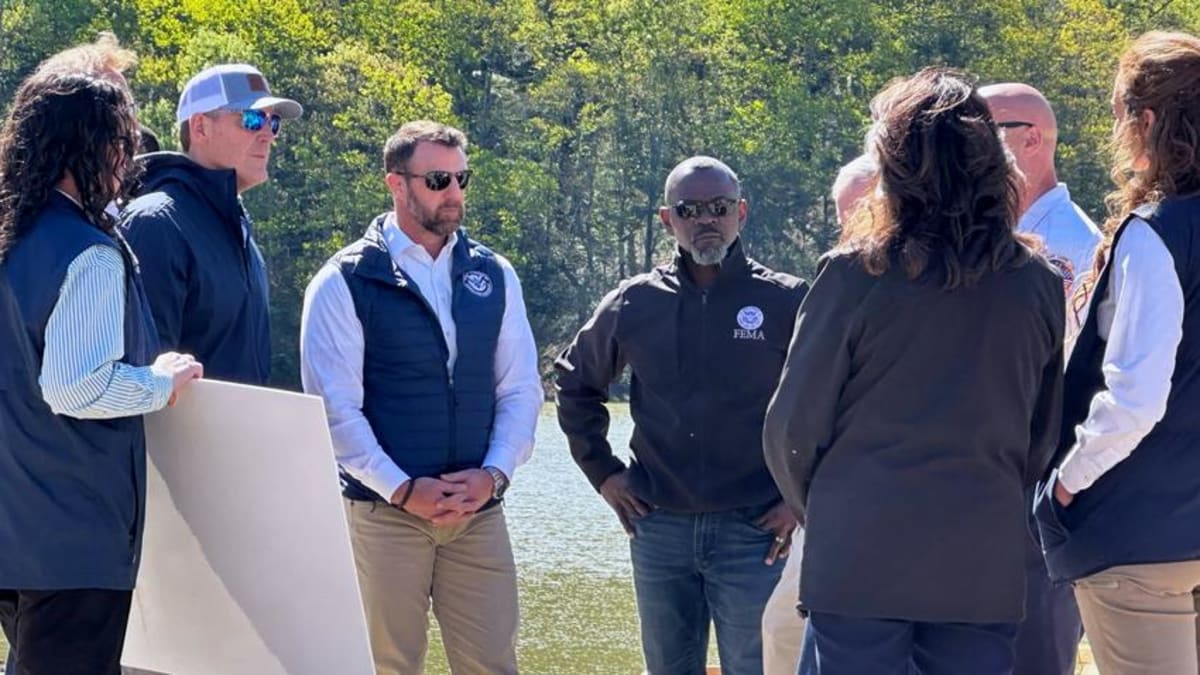
Secretary Markwayne Mullin visited Chimney Rock, North Carolina on Tuesday, walking through neighborhoods still scarred by Hurricane Helene's 2024 rampage. The visit marked his first official trip since replacing his predecessor, and he came with concrete plans to fix what many saw as a broken system.
The numbers tell a sobering story. Hurricane Helene killed 108 people in North Carolina alone and caused $60 billion in damages across multiple states. Entire communities were cut off when roads and bridges washed away, requiring helicopter rescues.
Nearly 18 months later, roughly 2,000 recovery projects still sit waiting for federal approval. About $1.6 billion has been allocated, but local leaders say bureaucratic delays have left towns struggling to rebuild.
Mullin acknowledged the problem head on. He told community leaders that 22 major disaster declarations from states and tribes across the country are still pending, and he plans to brief President Trump on pushing them forward quickly.
One of his first actions was ending a rule that required his office to personally approve every federal expense over $100,000. Critics said this policy created bottlenecks that delayed reimbursements to disaster zones when speed mattered most.
The Ripple Effect
The changes coming to disaster response could help far more than just North Carolina. Communities across America dealing with floods, wildfires, tornadoes and other catastrophes have faced similar delays in getting federal support.
Mullin said he's identified a candidate to permanently lead FEMA, the federal disaster agency that's been operating under its third temporary leader since January. Stable leadership could mean more consistent, reliable help for communities when disaster strikes.
Local Congressman Chuck Edwards, who lost one of his own businesses to Helene, praised the removal of bureaucratic hurdles. He and other officials expressed cautious optimism that communities could finally move forward with critical repairs to homes, businesses and infrastructure.
The storm's visible scars remain throughout the region: cars and home debris still line riverbanks, bridge remnants dot the landscape, and massive piles of trees mark where torrents of water once raged.
Recovery takes time, but now it might move a little faster for thousands of families still waiting to rebuild their lives.
More Images
Based on reporting by Japan Today
This story was written by BrightWire based on verified news reports.
Spread the positivity!
Share this good news with someone who needs it