New Drug CS18 Helps Cancer Cells Vulnerable to Treatment
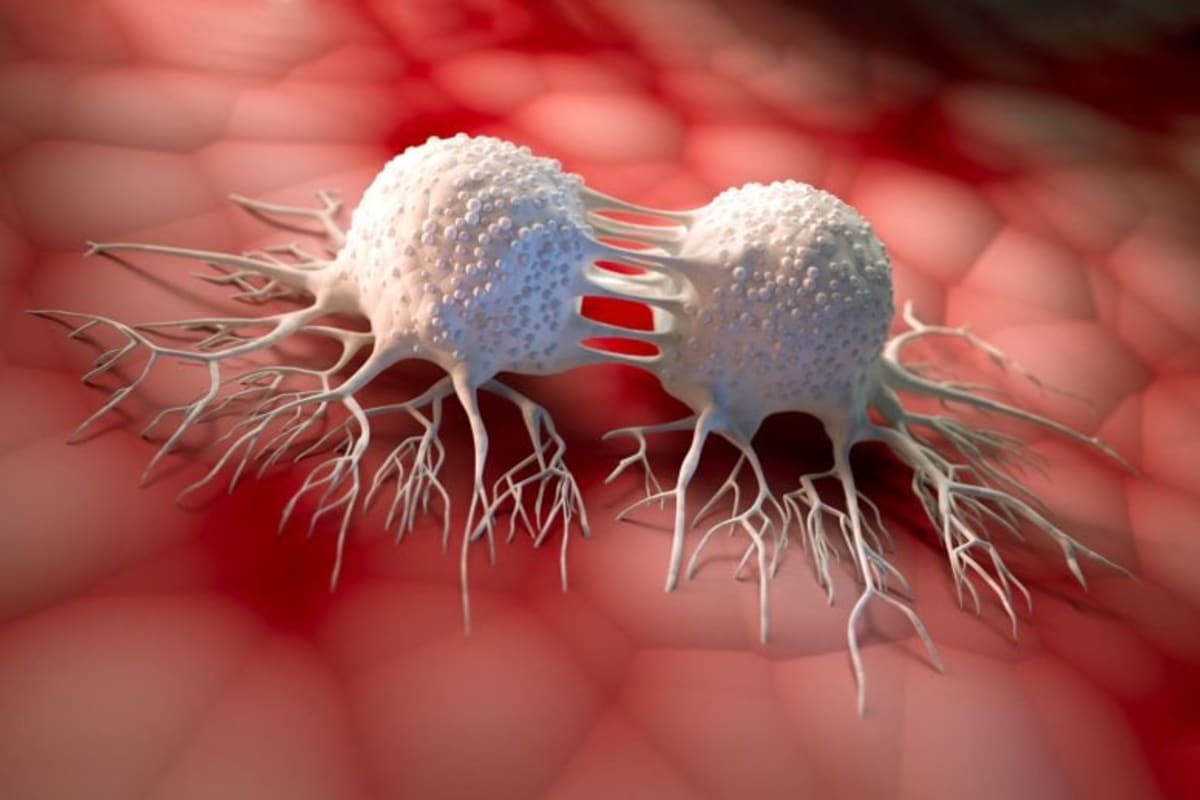
Researchers at Baylor College of Medicine created an experimental drug that weakens multiple cancer survival mechanisms at once, potentially solving one of medicine's toughest challenges. Early results show it helps resistant tumors respond to treatment again.
Cancer treatment just got a powerful new ally in the fight against one of medicine's most frustrating problems: tumors that learn to resist therapy.
Researchers at Baylor College of Medicine developed an experimental drug called CS18 that attacks cancer's survival tactics from multiple angles at once. Instead of blocking one escape route, it shuts down several pathways cancer cells use to dodge treatment.
Dr. Weei-Chin Lin, professor of medicine at Baylor, explains the challenge his team tackled. "While some therapies are effective at the beginning, many patients eventually relapse because cancer cells can activate compensatory biological pathways that allow them to overcome therapy."
The team focused on a protein called TopBP1, which acts like a control center for several cancer survival processes. By targeting one specific region of this protein, they could weaken multiple defense mechanisms simultaneously.
Starting with thousands of chemical compounds, the researchers used computer modeling and lab experiments to find the right formula. After testing numerous versions, CS18 emerged as the most effective candidate.
When CS18 binds to its target, cancer-promoting activities decrease, DNA repair proteins become less active, and cancer cells are more likely to die. The drug also increases the activity of genes that stop uncontrolled cancer growth.
The team tested CS18 across several cancer types, including triple-negative breast cancer, ovarian cancer, lung cancer, and acute myeloid leukemia. Importantly, CS18 was less toxic to healthy cells.
The real breakthrough came when researchers combined CS18 with existing cancer drugs. The combination killed cancer cells more effectively than either treatment alone.
The effect was especially striking in lung cancer cells already resistant to osimertinib, a commonly used drug. Adding CS18 restored the cells' sensitivity to treatment and significantly reduced tumor growth in animal models with no major signs of toxicity.
Why This Inspires
This discovery represents hope for patients who've watched their treatments stop working. Cancer's ability to adapt and survive has frustrated doctors and devastated families for generations.
CS18 doesn't just attack cancer. It strips away the armor that makes tumors so resilient, potentially giving existing treatments a second chance to work.
The research team tested their drug across five different cancer types, suggesting it could help many patients facing different diagnoses. Early safety results in animal studies showed promise, with tumors shrinking without causing serious side effects.
While CS18 still needs years of development and human trials before reaching patients, it opens a new strategy in cancer care. The idea of targeting one control center to weaken multiple survival pathways could transform how doctors approach resistant cancers.
The findings offer a path forward where combination therapies could prevent resistance from developing in the first place, or reverse it when it does.
Based on reporting by Google News - New Treatment
This story was written by BrightWire based on verified news reports.
Spread the positivity!
Share this good news with someone who needs it