New Drug Delays Type 1 Diabetes Onset by Up to 5 Years
A groundbreaking treatment called teplizumab can delay type 1 diabetes by up to five years in high-risk patients, marking the first therapy that actually modifies the disease instead of just managing symptoms. Scientists are now racing to develop additional treatments that protect insulin-producing cells before they're destroyed.
For the first time in over a century of diabetes treatment, doctors have a way to actually slow down type 1 diabetes instead of just treating it with insulin.
A drug called teplizumab recently became the first approved treatment that changes how the disease progresses. In clinical trials, a single two-week course delayed the onset of full-blown diabetes by two to five years in people showing early warning signs.
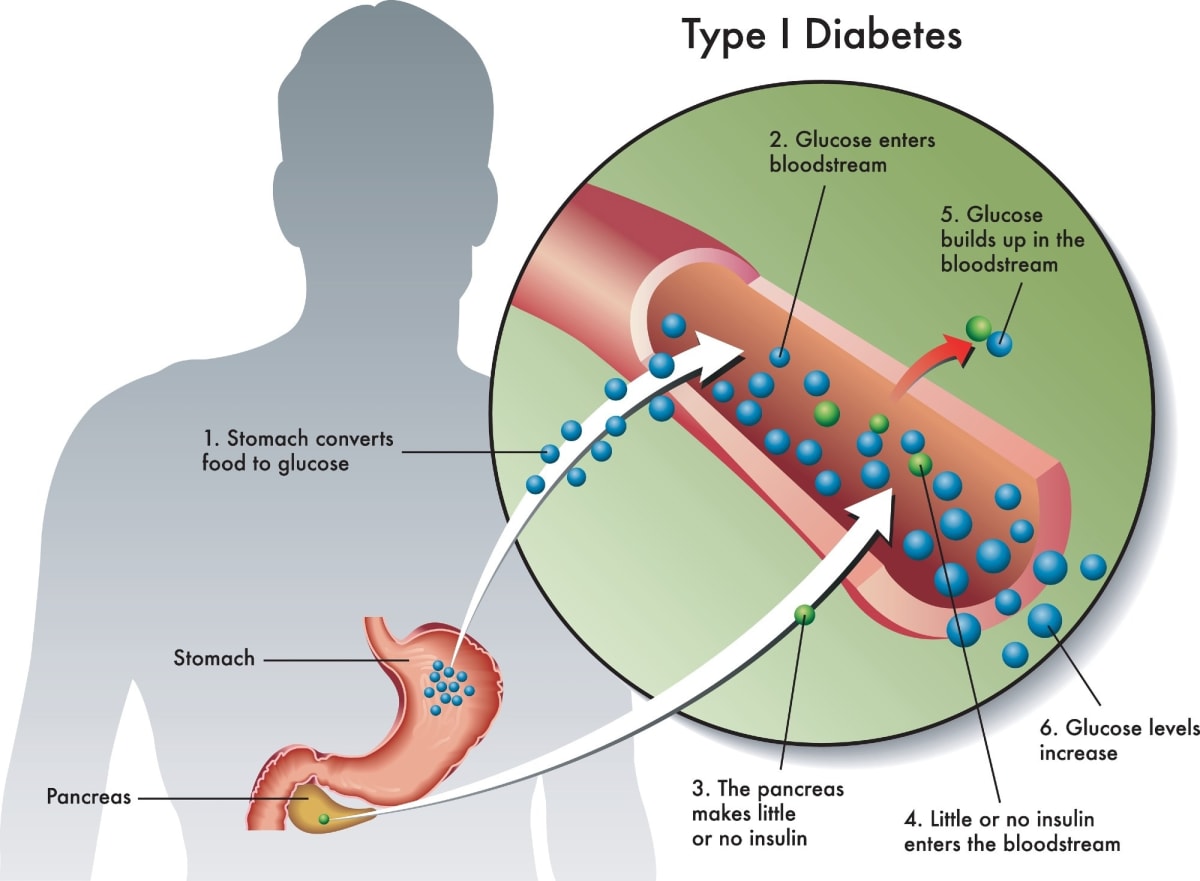
The breakthrough matters because type 1 diabetes typically destroys insulin-producing beta cells long before people show symptoms. Studies show these cells start deteriorating at least five years before diagnosis, creating a critical window where intervention could make a real difference.
Teplizumab works by calming the immune system's attack on beta cells. The drug triggers what researchers call "partial exhaustion" in the destructive immune cells, essentially teaching them to back off without shutting down the entire immune system.
Fewer than 25% of people with type 1 diabetes consistently hit their blood sugar targets despite modern tools like continuous glucose monitors and insulin pumps. That leaves most patients vulnerable to dangerous complications affecting their eyes, kidneys, nerves, and heart.
Why This Inspires
Scientists have identified three stages of type 1 diabetes before it becomes diagnosable. Stage 1 shows immune markers but normal blood sugar. Stage 2 reveals glucose problems. Stage 3 is full diagnosis.
The median time between Stage 2 and Stage 3 is just two years. Catching people in these early stages means doctors finally have time to intervene before permanent damage occurs.
Other promising treatments are showing results too. A drug called imatinib improved beta cell function during a 26-week trial, though the effects didn't last long-term. Verapamil, a common blood pressure medication, helped preserve beta cells in children and teens.
Researchers tested golimumab, an anti-inflammatory drug, in a Phase II trial with encouraging outcomes. Scientists are also exploring combinations of therapies that both protect beta cells and calm immune attacks simultaneously.
The research relied on direct analysis of human pancreatic tissue from organ donors, not just animal studies. That distinction matters because earlier research using diabetic mice showed different immune patterns than what actually happens in humans.
Future treatments might catch people even earlier using blood tests that detect multiple diabetes-related antibodies. Combining early detection with disease-modifying drugs could transform type 1 diabetes from a lifelong condition requiring constant management into something preventable for many patients.
More Images

Based on reporting by Google News - New Treatment
This story was written by BrightWire based on verified news reports.
Spread the positivity!
Share this good news with someone who needs it