New Drug Kills Cancer "Zombie Cells" in Mice
Scientists discovered how to destroy dangerous "zombie cells" that make cancer more aggressive after chemotherapy. The breakthrough could lead to better treatments by combining these new drugs with existing cancer therapies.
Cancer's leftover "zombie cells" may have finally met their match, thanks to a clever new approach that turns their own survival trick against them.
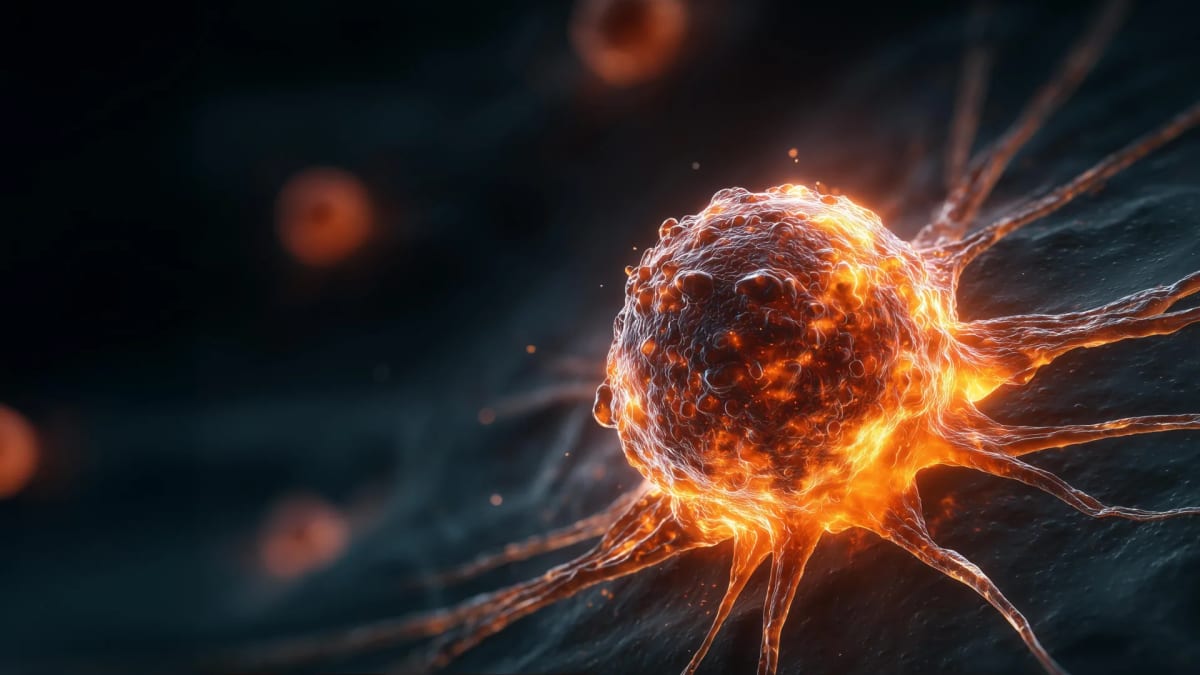
Researchers at the MRC Laboratory of Medical Sciences and Imperial College London found a way to eliminate senescent cells, the stubborn leftovers that don't divide but cause serious trouble. These cells survive chemotherapy and release harmful molecules that encourage cancer to spread and become more aggressive.
The breakthrough came after testing 10,000 different compounds. Scientists discovered that blocking a protective protein called GPX4 forces these zombie cells to self-destruct through a process called ferroptosis, a type of cell death linked to iron buildup.
Dr. Mariantonietta D'Ambrosio, who led the study, explained why these cells are such a problem. Chemotherapy stops tumors from growing by creating senescent cells that can't divide anymore. But over time, these cells secrete factors that damage nearby tissue and recruit harmful immune cells, making tumors even more aggressive.
The team focused on compounds that permanently attach to target proteins, allowing them to block GPX4 in ways previously thought impossible. Think of it like this: senescent cells are running on a badly injured ankle while constantly taking painkillers. Remove the painkillers, and they can't keep going.
The Bright Side
The experimental drugs worked beautifully in three different mouse cancer models. Tumors shrank, and survival rates improved.
Even better, this approach could work alongside chemotherapy rather than replacing it. Professor Jesus Gil, who heads the research team, says the next step is understanding how the treatment affects the immune system and identifying which patients might benefit most.
The strategy could extend beyond cancer treatment. Since senescent cells also contribute to aging-related conditions like fibrosis, these drugs might eventually help tackle multiple age-related diseases at once.
Clinical trials haven't started yet, but the research published in Nature Cell Biology marks an important step forward. For patients who've watched chemotherapy work initially only to see cancer return more aggressively, this represents genuine hope for better outcomes.
The beauty of targeting GPX4 is its precision: it kills the harmful zombie cells while leaving healthy cells relatively unharmed.
Based on reporting by Google News - New Treatment
This story was written by BrightWire based on verified news reports.
Spread the positivity!
Share this good news with someone who needs it