New Drug Nearly Doubles Pancreatic Cancer Survival Time
A breakthrough medication targeting a previously "undruggable" genetic mutation could transform treatment for one of the deadliest cancers. Patients in late-stage trials lived nearly twice as long when taking the new drug alongside chemotherapy.
For 40 years, doctors watched helplessly as a genetic mutation fueled 90 percent of pancreatic cancer cases, unable to stop it with any medicine. That impossibility just became reality.
A new drug called daraxonrasib has shown remarkable results in advanced trials, nearly doubling how long patients with pancreatic cancer survive. When combined with chemotherapy, patients lived a median of 13.2 months compared to just 6.7 months without it.
"I think this is truly an earth-shattering moment in pancreatic cancer," says Chris Chen, an oncologist at Stanford University School of Medicine. The excitement is justified. Pancreatic cancer remains one of the deadliest diagnoses, and meaningful progress has been frustratingly rare.
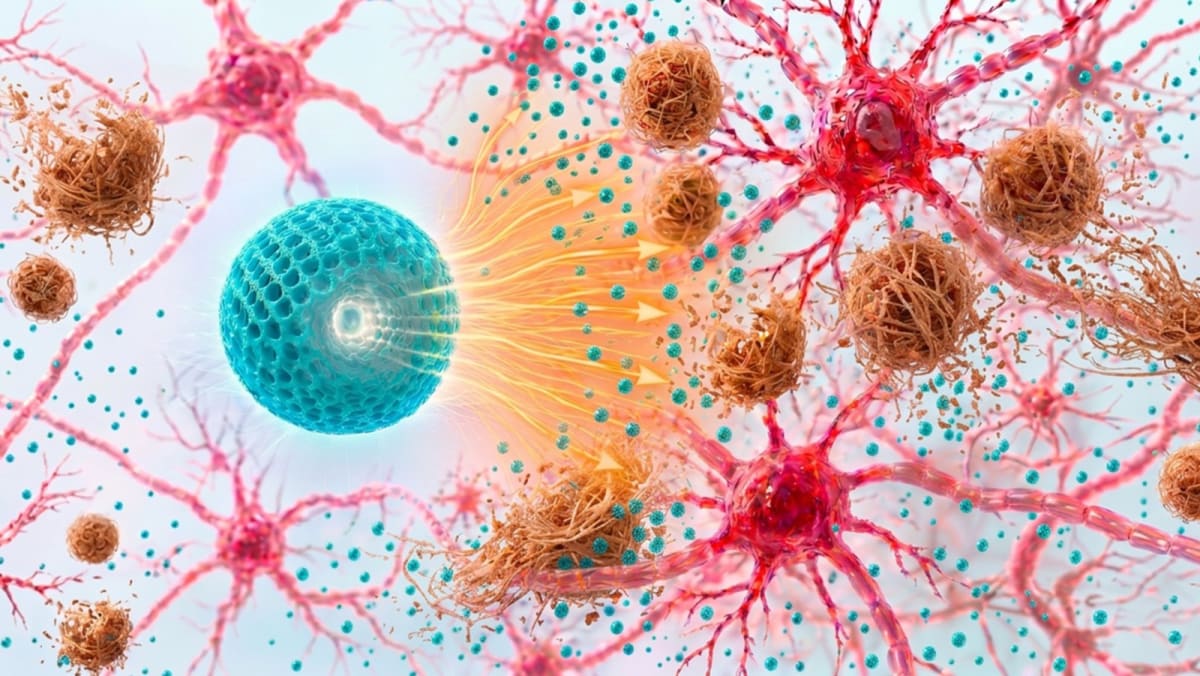
The breakthrough targets KRAS, a gene that normally regulates cell growth. When it mutates, cells multiply out of control. "They just keep dividing and growing and dividing until it practically snuffs out the life of the patient," explains Olatunji Alese, an oncologist at Emory University's Winship Cancer Institute.
Scientists discovered these mutations in the early 1980s but couldn't figure out how to block them until 2013. That's when researchers learned special compounds could bind to the mutant genes and stop their signals. Suddenly, what seemed impossible became achievable.
The first KRAS-blocking drug arrived in 2021 for lung cancer, but it wasn't strong enough for pancreatic tumors. Daraxonrasib represents the next generation. This once-daily pill delivers more complete blockage, meeting the higher bar pancreatic cancer demands.
More than 17 similar drugs are now in development. U.S. regulators have designated daraxonrasib as high-priority, which could speed approval to just months instead of years.
The Ripple Effect
This advancement does more than extend survival. It transforms the treatment experience itself.
Unlike chemotherapy, which attacks healthy and cancerous cells alike, targeted therapies focus only on cancer. That means potentially fewer brutal side effects. Patients could avoid second rounds of IV infusions and take a simple pill at home instead.
The drug also opens doors for combining treatments. Researchers are exploring pairing KRAS inhibitors with experimental mRNA vaccines that could prevent cancer from returning. One tiny trial found most responding patients were still alive six years later.
For surgical oncologist Matthew Katz at MD Anderson Cancer Center, six extra months might not sound like much to outsiders. But in pancreatic cancer, it represents enormous progress. "It is a definite win," he says.
The medication should reach regulatory review soon, bringing hope to patients who've had precious few options for far too long.
More Images

Based on reporting by Google News - Medical Breakthrough
This story was written by BrightWire based on verified news reports.
Spread the positivity!
Share this good news with someone who needs it