New Drug Target Could Stop Severe Childhood Epilepsy
Scientists discovered that brain inflammation drives Dravet syndrome, a devastating form of childhood epilepsy, opening the door to treatments that could help thousands of children. By blocking a specific immune pathway, researchers reduced seizures in early studies.
Children born with Dravet syndrome face a heartbreaking reality: frequent seizures that start in infancy, resist medication, and often come with developmental delays. Now researchers at Weill Cornell Medicine have discovered something that could change everything.
The team found that an overactive immune response in the brain may actually drive the disease, not just result from it. This shifts decades of thinking about what causes these severe seizures.
Here's what happens: When brain cells become stressed during seizures, they release fragments of their DNA. Immune cells called microglia detect this DNA and launch an inflammatory attack, particularly in the hippocampus, the brain region involved in seizures. That inflammation makes the brain even more prone to seizures, creating a vicious cycle.
Dr. Li Gan, who led the study published in Nature Neuroscience, calls it a self-sustaining loop. "Rather than being a disorder only involving abnormal electrical signaling, the disease may also involve a self-sustaining immune response triggered by DNA released from stressed neurons," she explained.
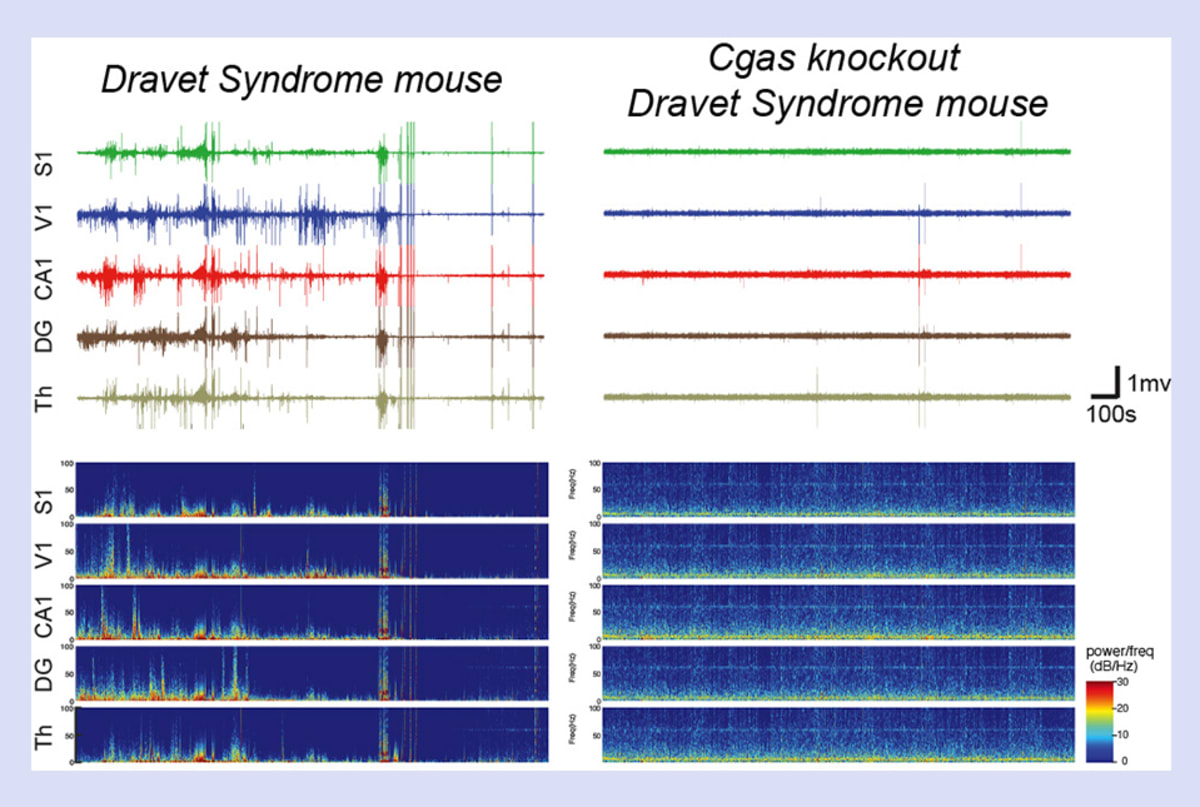
The breakthrough came when researchers tested blocking a pathway called cGAS-STING-interferon signaling. In mouse models of Dravet syndrome, reducing this immune response led to fewer seizures and less abnormal brain activity. An experimental drug that inhibits cGAS also calmed inflammation in the brain.
Even more promising: The team found similar inflammatory patterns in brain tissue from people with other types of drug-resistant epilepsy. This suggests the discovery could help far more patients than just those with Dravet syndrome.
The Bright Side
This research represents hope for families who've watched traditional seizure medications fail their children. By targeting inflammation instead of just electrical signals, doctors may soon have an entirely new way to treat severe epilepsy.
The approach appeared to normalize many biological changes in the brain, bringing gene activity patterns closer to healthy levels. Dr. Gan believes this could provide meaningful improvement for patients whose options have been limited.
Researchers are already looking ahead to identify biomarkers that could show which patients would benefit most from this treatment. The goal is developing therapies that can break the seizure cycle before it causes lasting damage.
For families living with Dravet syndrome and similar conditions, this discovery transforms inflammation from an invisible enemy into a target we can finally see and potentially stop.
More Images

Based on reporting by Google News - New Treatment
This story was written by BrightWire based on verified news reports.
Spread the positivity!
Share this good news with someone who needs it