
New Electrode Turns Pollution Into Fuel in Major Breakthrough
Scientists created an electrode that captures carbon dioxide from industrial smoke and converts it directly into formic acid, a valuable fuel component. The breakthrough works even with diluted emissions, bringing practical carbon capture closer to reality.
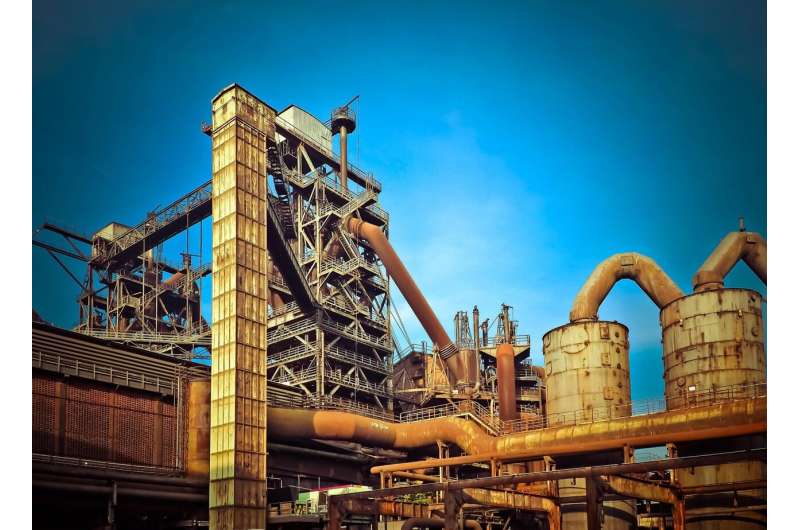
Industrial smokestacks pumping carbon dioxide into the atmosphere might soon become sources of useful fuel instead of pollution, thanks to a clever new invention from researchers at the American Chemical Society.
Scientists designed a three-layered electrode that catches CO2 directly from exhaust gases and transforms it into formic acid, a chemical used in everything from fuel cells to industrial manufacturing. The game-changing part? It works with realistic smokestack emissions, not just the highly concentrated CO2 that previous systems required.
"This work shows that carbon capture and conversion do not need to be treated as separate steps," explains lead researcher Wonyong Choi. His team tackled one of the biggest challenges in carbon capture: making it work in messy, real-world conditions.
Here's the problem they solved. Most industrial exhaust contains only small amounts of CO2 mixed with nitrogen, oxygen, and other gases. Existing carbon-capture technology needs pure, concentrated CO2 to function properly, which means adding expensive separation steps before conversion can even begin.
The new electrode changes everything by handling both jobs at once. Its special design includes a carbon-capturing material, gas-permeable carbon paper, and a catalytic tin oxide layer that work together to grab and convert CO2 in one smooth process.
The results speak for themselves. In laboratory tests with pure CO2, the electrode performed 40% better than existing carbon-converting systems. But the real victory came when researchers tested it with simulated flue gas containing just 15% carbon dioxide, mixed with oxygen and nitrogen just like actual industrial emissions.
While other systems produced almost nothing under these realistic conditions, the new electrode kept churning out substantial amounts of formic acid. It even worked at concentrations matching current atmospheric CO2 levels, proving it could potentially capture carbon directly from ambient air.
The Ripple Effect
This breakthrough could transform how industries handle their carbon footprint. Instead of treating emissions as waste that needs expensive disposal, factories could turn their exhaust into a revenue stream by producing valuable chemicals onsite.
The technology opens doors beyond just carbon dioxide, too. The research team hopes their approach will lead to similar systems for capturing other greenhouse gases like methane, multiplying the environmental benefits.
For communities living near industrial plants, this could mean cleaner air without shutting down the facilities that provide jobs. The electrode offers a practical path forward where environmental protection and economic activity support each other instead of competing.
The technology still needs scaling up from laboratory to industrial size, but the fundamental proof of concept is solid and peer-reviewed. The path from polluting exhaust to useful fuel just got remarkably shorter.
More Images


Based on reporting by Phys.org - Technology
This story was written by BrightWire based on verified news reports.
Spread the positivity!
Share this good news with someone who needs it