New England Forests Rebound After 80% Loss in 1850s
After European settlers destroyed up to 90% of New England's forests by 1850, the region has staged a remarkable comeback. Massachusetts, now the third most densely populated state, is 60% forested today.
When European settlers arrived in New England, they saw the region's massive forests as obstacles to be removed. By 1850, their vision had succeeded beyond imagination: New England was 80 to 90 percent deforested, with some areas completely barren.
The destruction was staggering. Entire hemlock forests were cut down just for their bark to tan leather, with the rest burned in raging fires. Railroads devoured trees for fuel and ties, turning America's industrial boom into an ecological disaster.
But something remarkable happened after farmers moved west to the fertile Ohio territories in the mid-1800s. Abandoned New England farmland began healing itself, and forests started returning naturally.
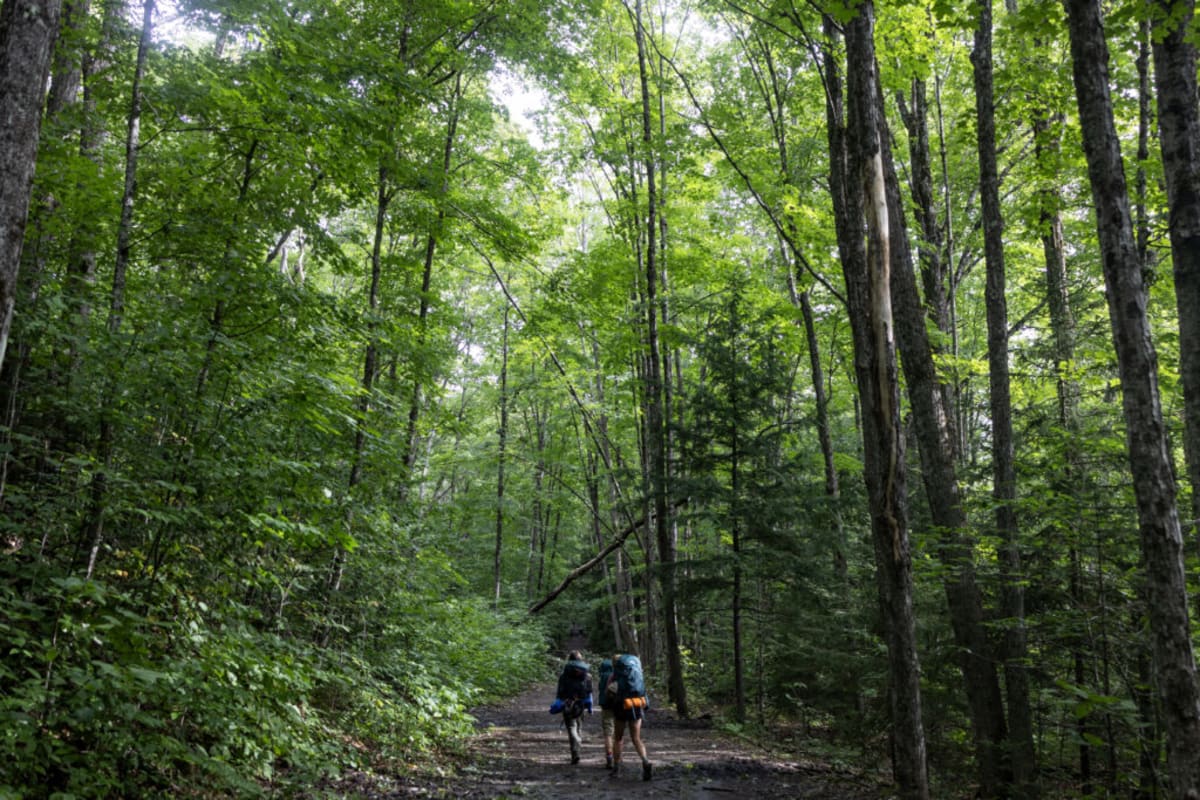
Today, Massachusetts stands 60 percent forested despite being America's third most densely populated state. The transformation took over a century, but it proved that nature can recover when given the chance.
Bill Moomaw, a distinguished scientist at the Woodwell Climate Research Center who helped win the 2007 Nobel Peace Prize for climate work, has spent decades studying this recovery. He points to Gifford Pinchot, the first head of the U.S. Forest Service, as a turning point after 1900.
Pinchot learned sustainable forestry practices from Europe and brought them home. America shifted from viewing forests as disposable resources to managing them for the long term.
The Ripple Effect
These recovered forests now function as massive carbon sinks, pulling climate-warming gases from the atmosphere. The trees that returned naturally are doing what New England's original forests did for thousands of years: stabilizing our climate while providing habitat for countless species.
The story matters more today than ever. During international climate negotiations, the United States pointed to these forests as proof that nature-based solutions work at scale.
The lesson is clear across the recovering Northeast landscape. When humans stop destroying and start protecting, forests can rebuild themselves in just a few generations, offering hope for damaged ecosystems worldwide.
New England's green comeback shows that even our worst environmental mistakes aren't necessarily permanent.
Based on reporting by Google News - Reforestation
This story was written by BrightWire based on verified news reports.
Spread the positivity!
Share this good news with someone who needs it