New Enzyme Reverses 45 Years of Aging Damage in Human Tissue
Scientists created an enzyme that erased decades of age-related damage from human tissue, making 75-year-old samples chemically identical to those from a 30-year-old. What was once thought impossible may now open doors to reversing fundamental aging processes.
Scientists just proved that one type of aging damage isn't permanent after all.
A team at Revel Pharmaceuticals in San Francisco designed an enzyme that strips away molecular "rust" that accumulates in our bodies over decades. In donated human tissue from a 75-year-old, the enzyme reduced damage levels to match those found in a 30-year-old.
The culprit is something called advanced glycation end products, or AGEs. These molecules form when sugars and proteins react inside our bodies the same way they create the golden-brown crust on bread. Unlike bread, though, our bodies stay at 98 degrees for decades, and AGEs slowly build up the entire time.
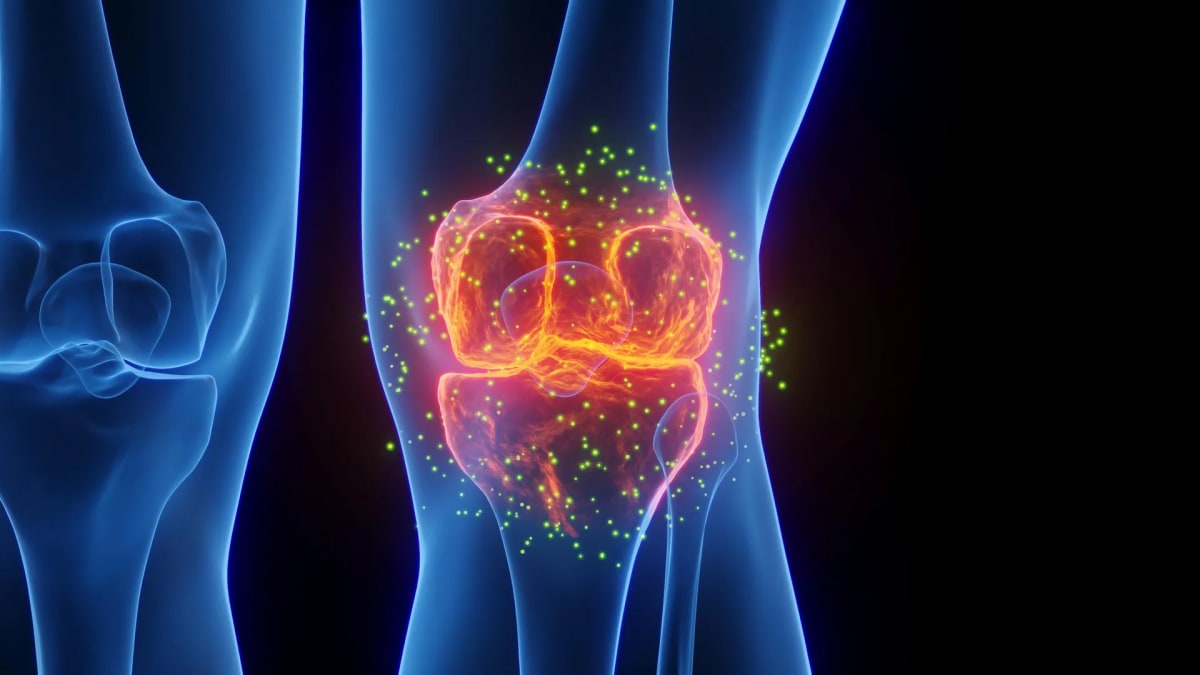
AGEs stiffen elastic tissues like tendons and blood vessels while triggering inflammation throughout the body. They contribute to heart disease, diabetes, kidney problems, and eye troubles. Scientists have tried to reverse this damage since the 1980s, but every attempt failed.
The Revel team took a creative approach. They reasoned that since microbes eventually decompose human remains, including AGE-damaged proteins, those bugs might have enzymes that could clean up the mess while we're still alive.
Using AI, they screened DNA from over 50,000 microbes and predicted the structures of their enzymes. The winning candidate came from bacteria thriving in geothermal hot springs. It could break down CML, the most common and harmful type of AGE, but just barely.
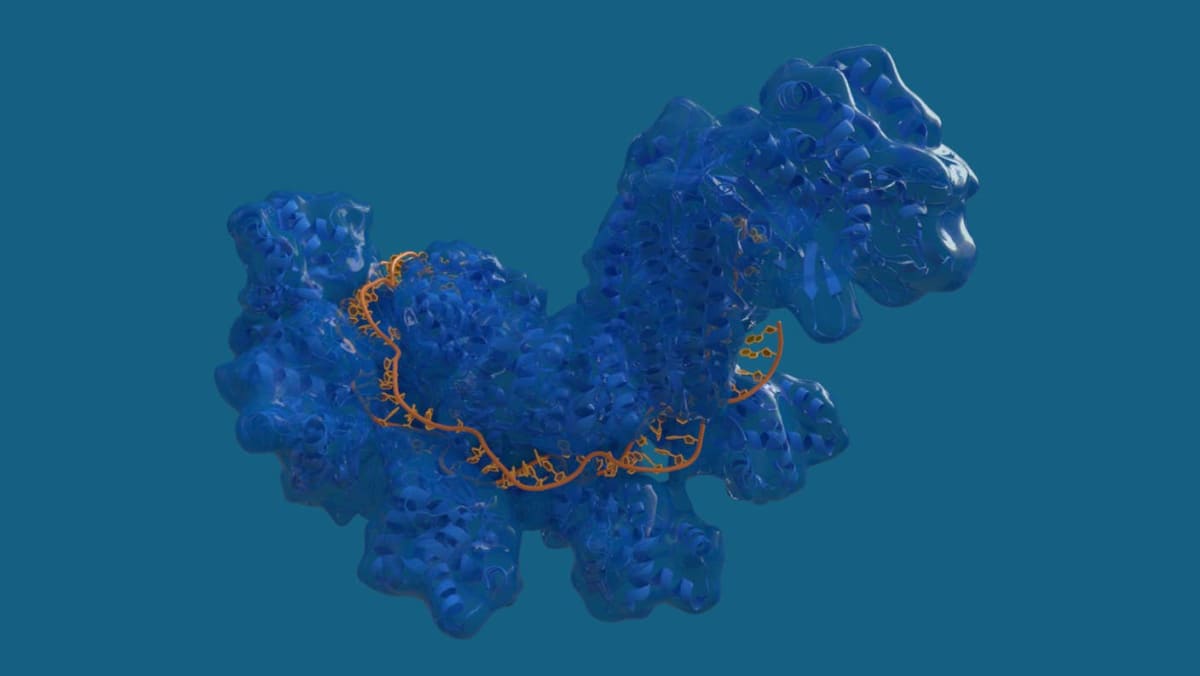
The team then used directed evolution, a Nobel Prize-winning technique that mimics natural evolution at lightning speed. After testing over 500 million variants across five rounds, they created CMLase, an enzyme more than 10 times more effective than the original.
Early test-tube experiments showed CMLase could restore damaged proteins to their original structures, as if they'd never reacted with sugar. But the real question was whether it worked in actual human tissue.
Testing on mice wouldn't work since their short lifespans don't allow decades of damage to accumulate. Instead, the researchers used donated human tissue samples. In aortic tissue from the 75-year-old donor, CMLase slashed CML levels by roughly 70 percent. Skin and eye lens proteins from a 64-year-old showed similar improvements.
Why This Inspires
This breakthrough challenges a core assumption about aging. For decades, scientists believed certain types of damage were simply permanent, irreversible consequences of being alive. Now we know that's not necessarily true.
The research opens entirely new possibilities for treating age-related diseases. If removing this molecular rust helps tissues repair and rebuild themselves, it could benefit hearts, kidneys, brains, and eyes.
Study author and Revel CEO Aaron Cravens told reporters that more work is needed. But the results already change how scientists think about this fundamental aging process. What seemed like unchangeable biology might actually be fixable.
The next steps include testing whether removing AGEs actually helps tissue function improve, not just look younger chemically. If it does, this molecular eraser could give our longest-lived proteins a second chance at youth.
More Images



Based on reporting by Singularity Hub
This story was written by BrightWire based on verified news reports.
Spread the positivity!
Share this good news with someone who needs it