New Eye Scanner Protects Astronauts From Vision Loss
A coin-sized eye scanner could prevent astronauts from losing their sight on deep space missions. The quantum-powered device will help space agencies monitor and treat a condition that affects 7 in 10 astronauts.
Imagine launching into space with perfect vision and returning six months later barely able to see. That's exactly what happened to NASA astronaut John Phillips in 2005, and now the European Space Agency has a high-tech solution to stop it from happening again.
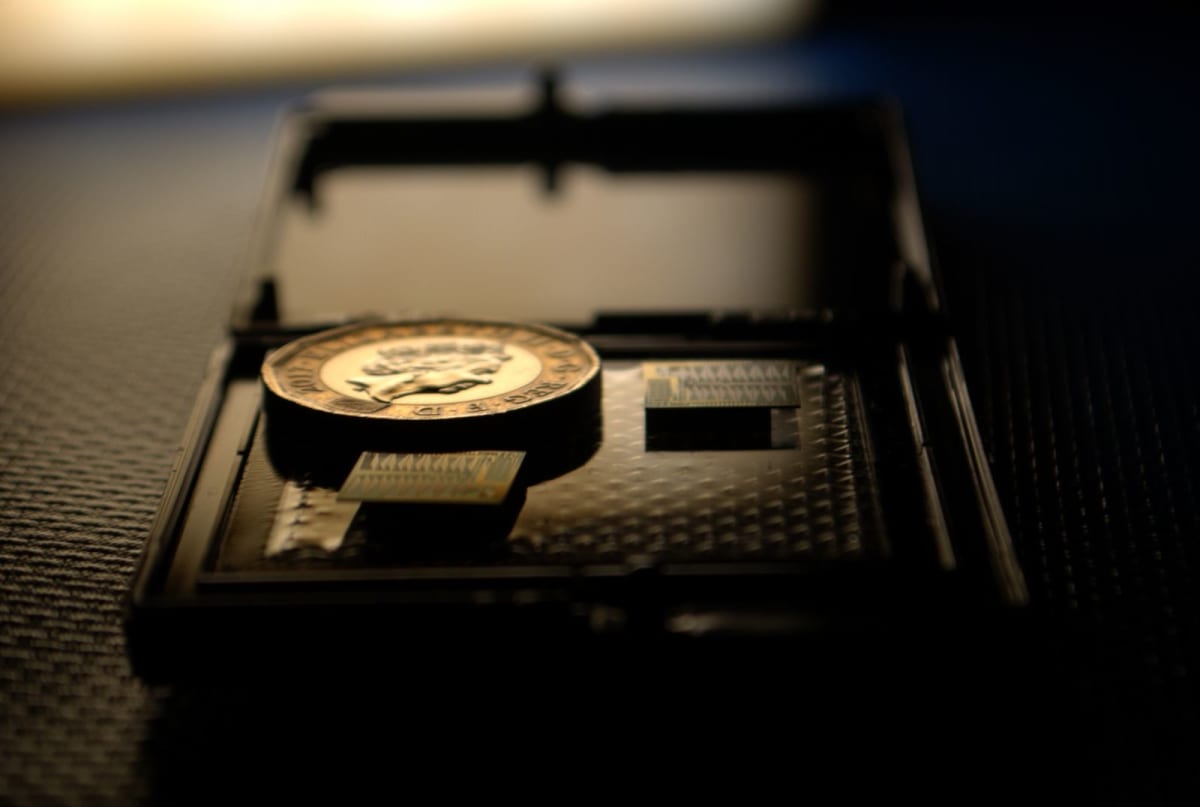
British startup Siloton is developing a revolutionary eye scanner small enough to fit in your palm. The device uses quantum technology to shrink traditional eye-testing equipment down to a photonic chip smaller than a coin, allowing astronauts to monitor their vision without help from Earth.
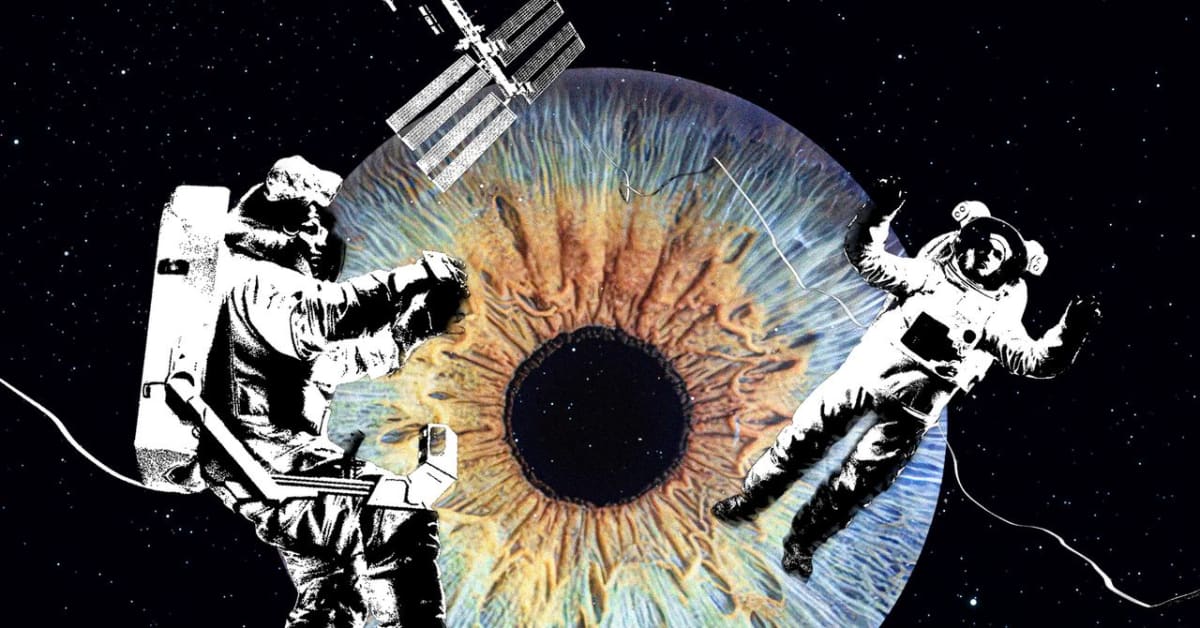
The problem is serious and surprisingly common. About 70 percent of astronauts on the International Space Station develop Spaceflight-Associated Neuro-Ocular Syndrome, or SANS. Without gravity to keep fluids balanced, blood and other fluids pool in astronauts' heads, squashing their eyeballs and damaging their retinas and optic nerves.
Phillips launched with 20/20 vision and splashed down with 20/100 vision, considered a moderate visual impairment. While some damage reverses after returning to Earth, space agencies worry about astronauts losing their sight mid-mission and the long-term health impacts of repeated exposure.
Current monitoring equipment on the ISS is bulky and requires real-time guidance from experts on the ground. That won't work for upcoming Artemis moon missions and deeper space exploration, where communication delays with Earth make remote support impossible.
Siloton's automated scanner solves this problem by letting astronauts check their own retinas frequently without ground support. More frequent scans mean earlier detection of eye changes, potentially before vision loss even begins. The device could help scientists understand what triggers the condition and develop treatments or prevention strategies.
The Ripple Effect
The space innovation is already making healthcare better here on Earth. Siloton originally designed the technology for elderly patients with failing vision to self-scan at home, working with the UK's National Health Service. Chief technology officer Euan Allen says the challenges are remarkably similar.
Getting an 80-year-old with vision problems to use the device at home is actually harder than training astronauts, Allen explains. The space requirements are making the home version even better, and improvements from the NHS device flow back to the space program.
The team still needs to solve practical challenges like avoiding batteries due to fire risk in spacecraft and figuring out how to position an astronaut's head without gravity. But these hurdles seem minor compared to the potential impact.
As humanity prepares for longer missions to the moon, Mars, and beyond, protecting astronaut health becomes critical, and this tiny scanner could make the difference between sight and blindness for explorers venturing into the final frontier.
More Images


Based on reporting by Wired
This story was written by BrightWire based on verified news reports.
Spread the positivity!
Share this good news with someone who needs it