U-M Scientists Find Molecule to Halt Vision Loss
Millions facing vision loss from diabetes may soon have a powerful new lifeline. University of Michigan researchers discovered that a protective molecule called norrin can stop retinal damage and preserve eyesight.
Losing eyesight to diabetes is a frightening prospect for millions, but a breakthrough discovery is offering a powerful new wave of hope. Scientists at the University of Michigan have uncovered a natural molecule that repairs damaged ocular blood vessels and preserves clear vision.
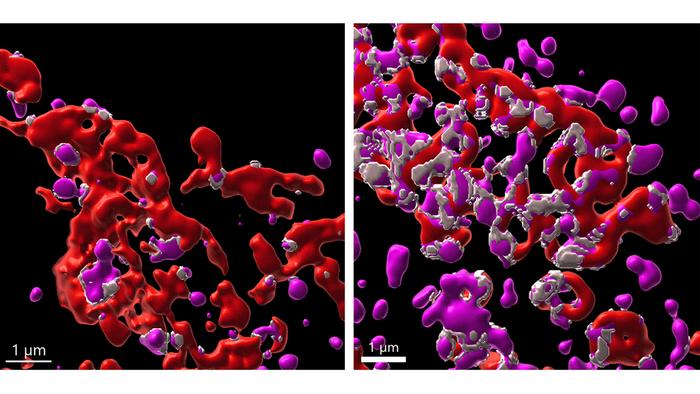
The groundbreaking research centers on norrin, a vital protein that keeps the blood vessels inside your retina strong and watertight. When diabetes develops, natural levels of norrin plummet, causing the eye's delicate vascular barrier to break down and leak fluid into surrounding tissue.
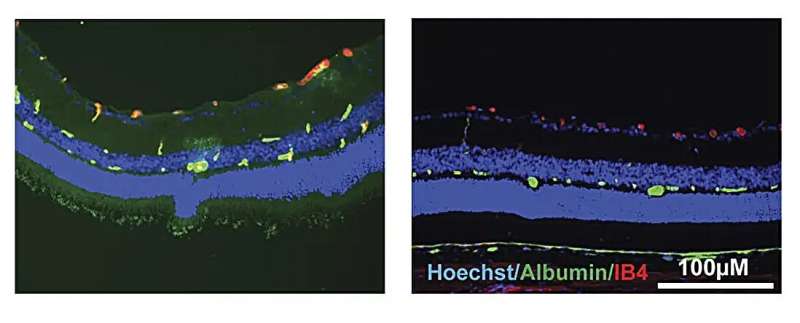
In a study published in the journal Diabetes, researchers restored norrin in diabetic models suffering from poor visual acuity. The treatment rapidly cleared the cloudy vascular leakage and shielded essential retinal nerve cells from cell death.
Postdoctoral researcher Dr. Laura González-González celebrated the fact that norrin directly defends these delicate visual neurons. By protecting the nerve cells alongside the blood vessels, the therapy tackles the disease from multiple angles at once.
Remarkably, the therapy proved effective even after measurable vision loss had already occurred. Introducing norrin halted progressive damage in its tracks and allowed the remaining retinal tissue to stay healthy.
For over a decade, doctors have relied on a single family of medications that target a protein called VEGF to manage diabetic retinopathy. While helpful, those existing drugs require frequent eye injections and fail to fully protect vision in roughly half of all treated patients.
Lead investigator Dr. David Antonetti and his team spent years searching for a more reliable biological pathway. Their findings show that norrin effectively cancels out the damaging effects of excess VEGF while simultaneously calming inflammation.
The team also identified specific genes that norrin activates to rebuild and reinforce the retinal barrier. Understanding this genetic blueprint gives researchers a clear map to design even more precise, long-lasting ocular therapies.
The Ripple Effect
This laboratory breakthrough is already making the critical jump from bench research to human medicine. The team has partnered with biotechnology developers to launch clinical trials for therapies that activate norrin receptors directly in human patients.
These trials also aim to treat macular edema, which remains one of the leading drivers of adult vision loss worldwide. If cleared, this research will deliver the first brand-new class of retinopathy treatments in sixteen years.
Thanks to this innovative work, millions of people living with diabetes can look forward to a brighter, clearer future.
More Images


Based on reporting by Medical Xpress
This story was written by BrightWire based on verified news reports.
Reset Your Focus With Today’s Daily Affirmations & Mood Check
Take a 60-second mindful pause with curated daily affirmations and our private positivity mood tracker.
Spread the positivity!
Share this good news with someone who needs it