New Eye Test Detects Anemia Without Needles in 10 Seconds
Scientists developed a screening tool that identifies anemia by filming the eye for just 10 seconds. The technology could make blood monitoring accessible in places where lab testing is hard to reach.
Imagine checking for anemia as easily as taking a video with your phone. Researchers have developed a system that estimates red blood cell counts by recording 10-second videos of the eye, with no needles or blood draws required.
The technology, tested on 224 people at Sheba Medical Center in Israel, correctly identified anemia more than 80% of the time. While that's not accurate enough yet to replace traditional blood tests, it shows real promise as a screening tool to flag who needs further testing.
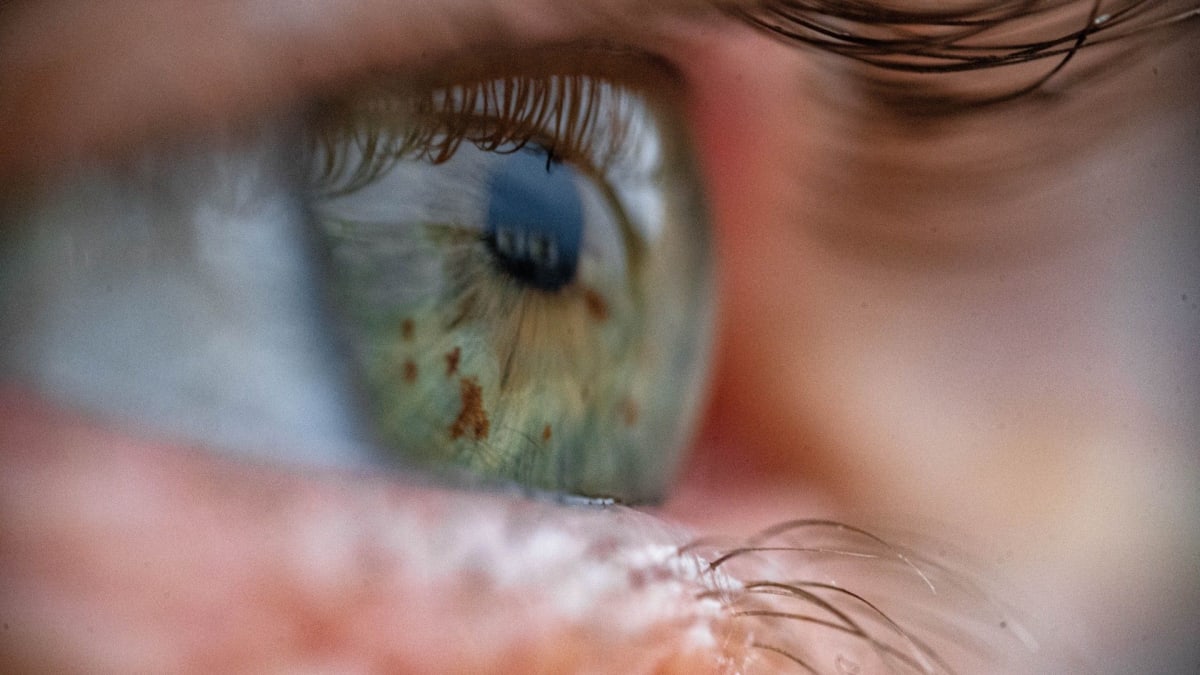
Here's how it works: A camera records video of the white part of the eye, which contains very little pigment and looks similar across different populations. Software cleans up the footage by removing blinks and lighting changes, then converts it into snapshots of blood vessels. An AI model analyzes blood flow patterns and predicts hemoglobin levels.
This approach solves a problem with existing noninvasive sensors. The FDA-approved Pronto-7 device shines light through fingernails to measure hemoglobin, but skin tone affects accuracy. The white of the eye offers a more consistent surface to measure across different people.
The potential applications reach far beyond doctor's offices. Dr. Theodore Leng, an ophthalmologist at Stanford University, sees uses in home monitoring, dialysis follow-ups, cancer treatment tracking, and pediatric care. Anywhere that frequent blood draws feel burdensome, this method could help.
Why This Inspires
The real excitement lies in what this could mean for underserved communities. In low-income countries where laboratory testing isn't readily available, a simple screening tool could identify people who need treatment before anemia becomes severe. Even a smartphone camera might eventually work, making the technology incredibly accessible.
Dr. Christine Kiire, a consultant ophthalmologist at Oxford Eye Hospital, points out that affordable versions of this system could transform blood monitoring in resource-limited environments. Frequent, noninvasive checks could catch problems early and guide people toward the care they need.
The researchers aren't stopping here. They're planning larger studies with more diverse groups, including people with iron-deficiency anemia. They're also working on higher-resolution cameras that might detect white blood cells too.
Nobody's suggesting this replaces comprehensive blood tests, which measure far more than just hemoglobin and red blood cells. Eye conditions like pink eye or certain medications could affect readings. The technology needs refinement, broader testing, and careful validation.
But the core idea is sound: using what's visible in our eyes to learn about our blood health, making screening faster, easier, and more comfortable for everyone.
More Images

Based on reporting by Live Science
This story was written by BrightWire based on verified news reports.
Spread the positivity!
Share this good news with someone who needs it