Scientists Build Global Microbiome Bank to Save Rare Bacteria
Two scientists traveled the world collecting microscopic treasures from diverse human communities. Their groundbreaking biobank could unlock treatments for diseases and protect vanishing bacteria species.
Two scientists just created something that could change medicine forever, and it started with an impossible idea and a lot of faith.
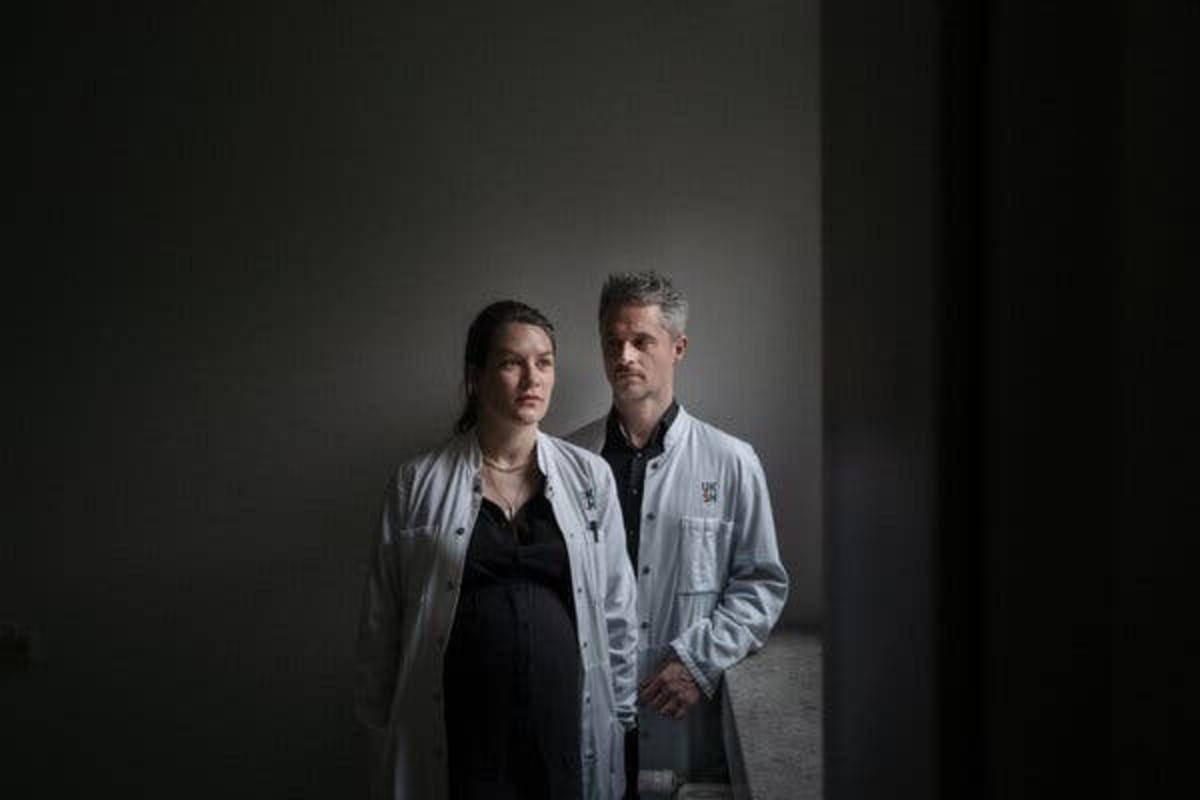
When Mathilde Poyet and Mathieu Groussin were postdoctoral fellows at MIT in the mid-2010s, they kept hitting the same frustrating wall. Almost all microbiome research focused on wealthy, Western, white populations, leaving 90 percent of human diversity completely unexplored.
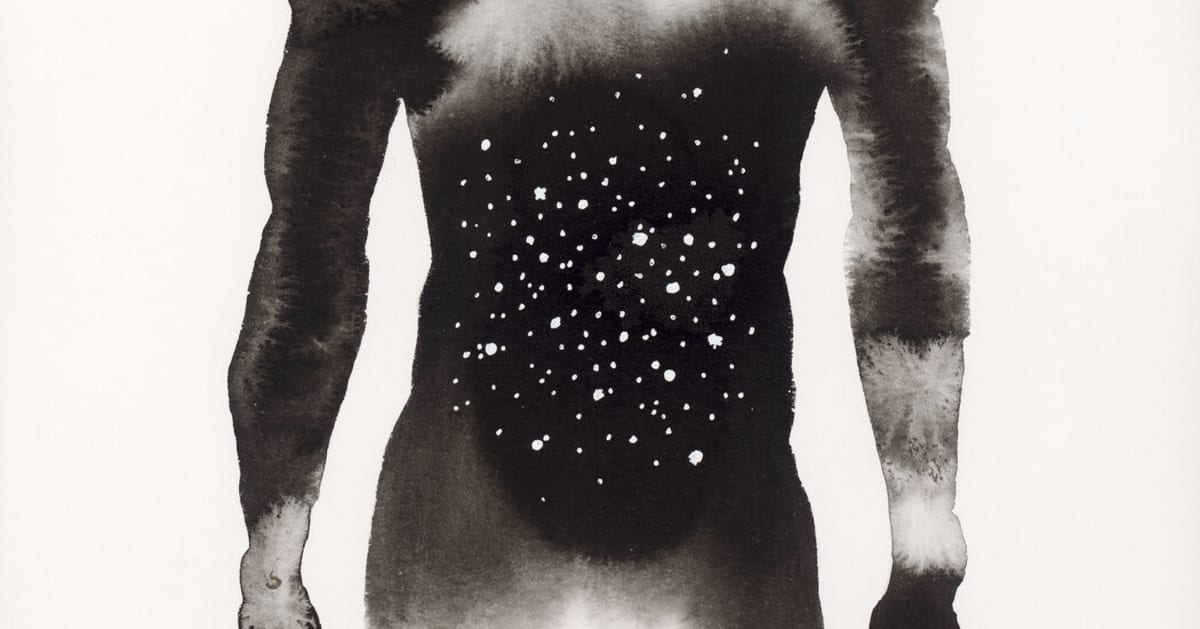
Our bodies host more bacteria than there are stars in the Milky Way. These microbes helped create our digestive and immune systems, influence our body shapes, and may even affect our moods and behaviors.
Scientists have linked the gut microbiome to conditions like Crohn's disease, Parkinson's, dementia, and autism. But without understanding microbiomes across all humanity, finding treatments remained guesswork.
Poyet and Groussin hatched a wild plan. They would travel the world collecting microbiome samples from as many diverse communities as possible, then preserve those samples before they disappeared forever.
It was career suicide on paper. They were junior scientists expected to publish papers and secure grants, not gallivant around the globe. If this failed, their academic futures would be over.
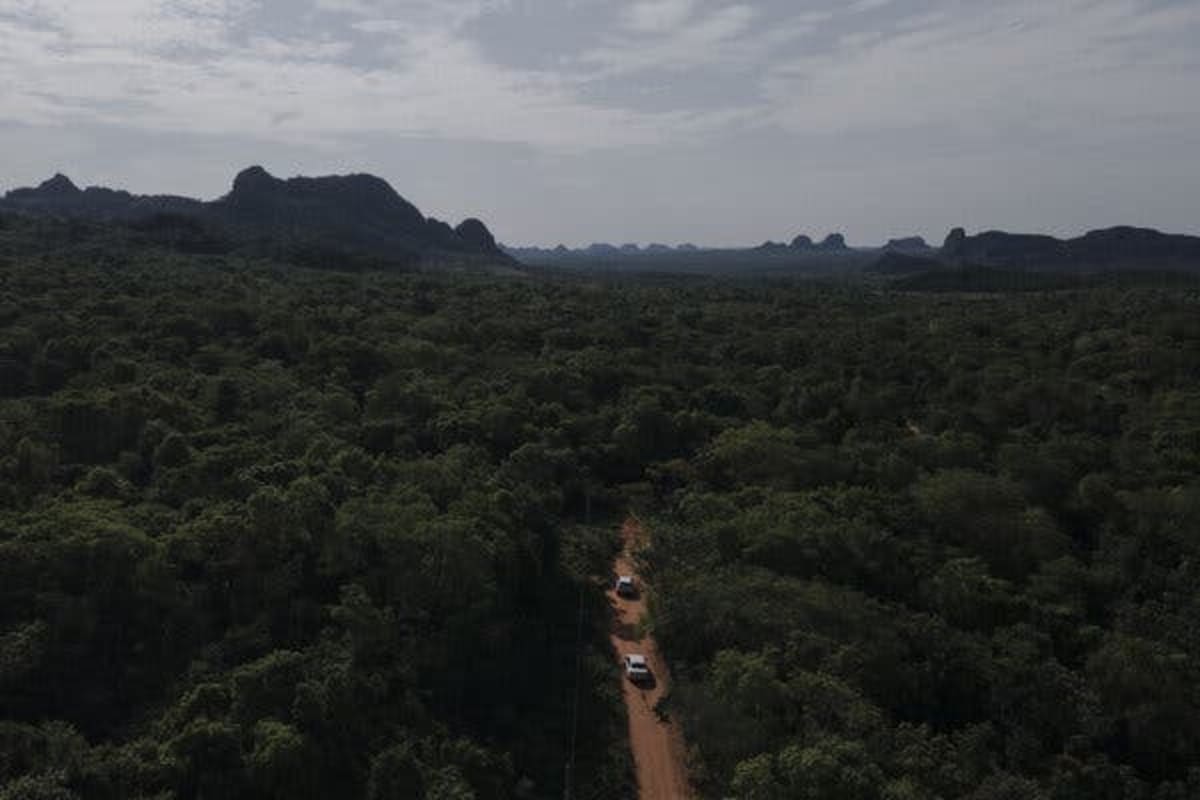
They did it anyway. The couple trekked on foot for days to reach remote communities in Nepal, Iraq, Thailand, Malaysia, Rwanda, and Tanzania. Some villages were only accessible by boat or helicopter.
Between expeditions, they got married, started a family, and joined Kiel University in Germany. By 2024, their laboratory housed one of the largest and most diverse collections of live bacteria on Earth.
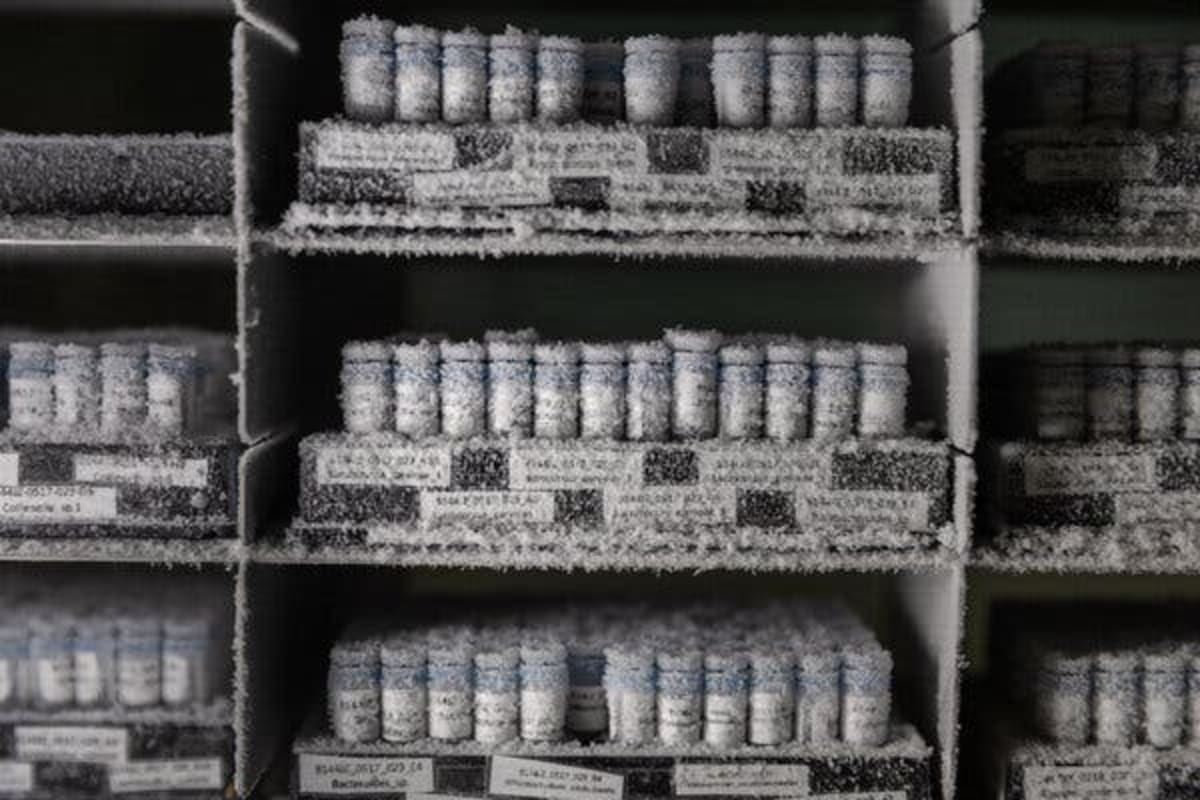
They call it the Global Microbiome Conservancy. The biobank stores samples at negative 112 degrees, preserving individual microbiomes and isolated bacterial strains like a Noah's ark for microscopic life.
Why This Inspires
This project represents more than scientific achievement. It's a recognition that Indigenous and non-Western communities hold biological treasures the modern world desperately needs.
William Hanage, an epidemiologist at Harvard, compares it to seed banks but says it's even more thrilling. When you preserve a whole microbiome, you capture the relationships between organisms, not just individual species.
The conservancy could help scientists finally answer crucial questions: What makes a microbiome healthy? Can we intentionally restore damaged microbiomes? Are microbiome changes a cause of illness or a consequence?
Beyond medical treatments, researchers are discovering that microbes produce molecules capable of breaking down pollutants and repairing damaged ecosystems. The answers to our biggest challenges might be living inside us.
Two scientists bet their careers on an impossible dream and won, proving that the most important discoveries sometimes require taking the path nobody thinks you should take.
More Images

Based on reporting by Google News - Health
This story was written by BrightWire based on verified news reports.
Spread the positivity!
Share this good news with someone who needs it
%2Fcountries%2Fcambodia%2Fwho-khm_260619_ipc_virology03.tmb-1200v.jpg%3Fsfvrsn%3D71cd341e_1)