New Fund Helps Small Groups Beat Corporate Polluters in Court
A nonprofit called WHEN Justice is funding the scientific evidence small environmental groups need to win lawsuits against major polluters. Their first case forced AT&T to remove 100,000 pounds of toxic lead cables from Lake Tahoe in just nine weeks.
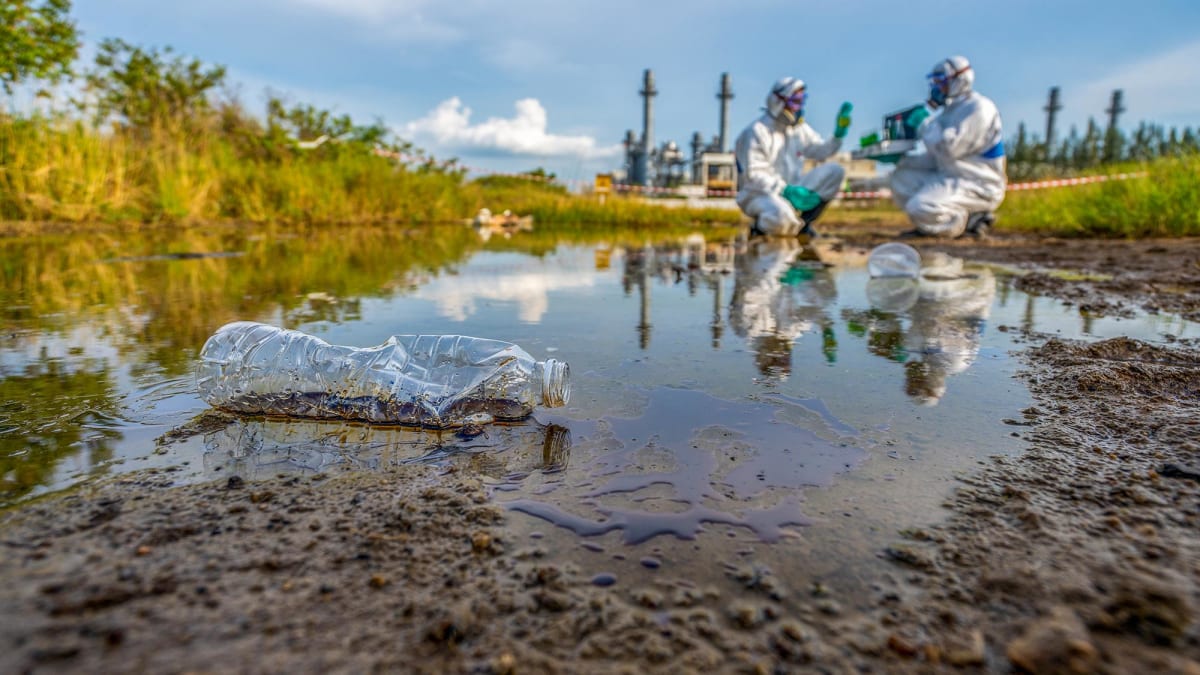
For decades, abandoned AT&T telecommunications cables containing over 100,000 pounds of lead sat deteriorating at the bottom of Lake Tahoe, slowly leaching toxins into the pristine water. A small environmental group wanted to sue, but couldn't afford the scientific testing needed to prove their case in court.
Then a new nonprofit called WHEN Justice stepped in with $100,000 for critical evidence gathering. Scuba divers collected samples, and scientists performed lead isotopic testing that worked like a fingerprint, proving the cables were contaminating the lake.
With the evidence in hand, AT&T settled in nine weeks and removed the cables within months. The case revealed a powerful truth: strategic funding at the right moment can help David beat Goliath.
WHEN Justice founder Roland Peralta, a serial entrepreneur and wellness company co-founder, saw an opportunity bigger than traditional charity. "I kept asking myself, what kind of world will I leave for my son?" he said.
His answer became a nonprofit built around a simple idea: fund the expensive scientific evidence that small groups need to win environmental lawsuits. Many of these cases include cost recovery, meaning the same donation can fund multiple lawsuits over time.
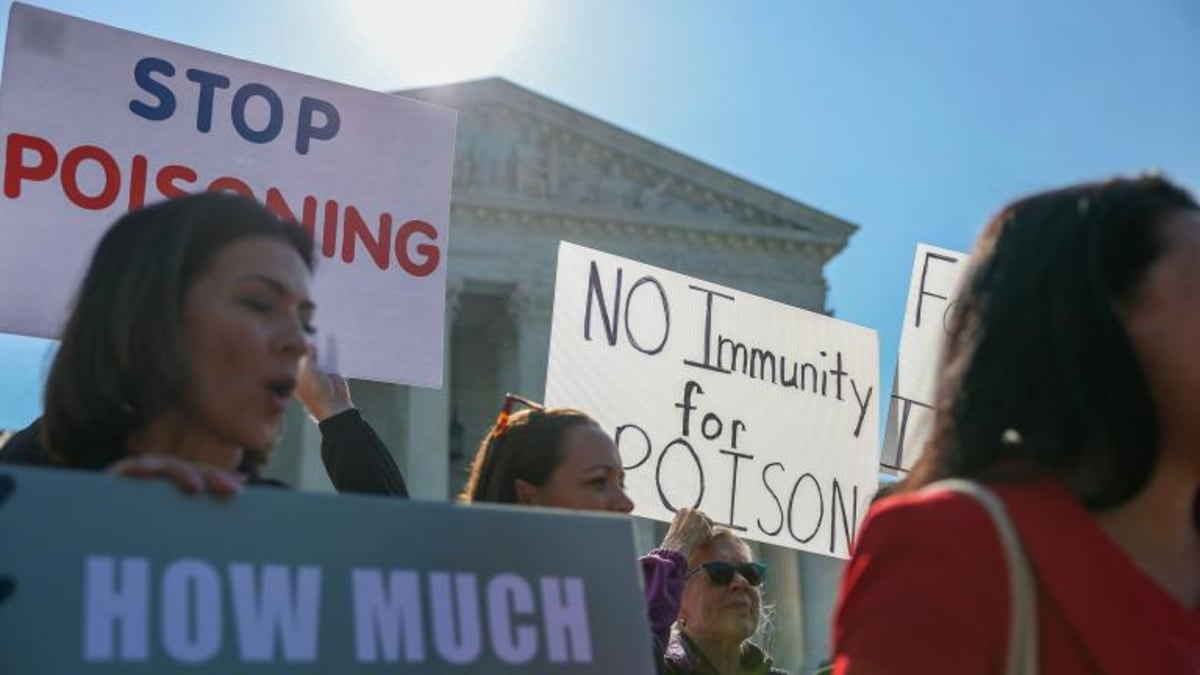
The model fills a critical gap in environmental protection. Much of today's pollution enforcement comes not from government regulators, but from individuals and small nonprofits taking corporations to court.
"If you're going up against big companies, litigation is so expensive," said Jacqueline Biner, WHEN's chief legal officer. "It sadly is not always about the merits of the case. It's often just about who has more money."
Environmental attorney Erica Maharg, who represented the sportfishing group against AT&T, agrees the funding made all the difference. "Those funds provided us with the evidence we needed at a critical time in the litigation," she said.
WHEN officially launched on Earth Day 2026 and is already supporting another case involving a hazardous waste site leaching toxins into San Pablo Bay in California. They're funding experts to conduct sampling and analysis that will show how pollution moves from the landfill toward the bay.
The Ripple Effect
WHEN Justice's model could reshape corporate accountability. By making it easier for small groups to pursue cases with strong evidence, they're showing major corporations that cleaning up their messes costs less than fighting in court.
Colin West, founder of Clean Up the Lake, sees the nonprofit filling a role no one else can. "Being a smaller organization that is trying to step up and take on big litigation against larger entities is challenging," he said.
Over the next several years, WHEN plans to build a crowdfunding platform where everyday people can directly support environmental lawsuits. Peralta and Biner envision creating infrastructure that helps identify harmful corporate conduct before it becomes irreversible.
The Lake Tahoe victory proves their model works: the right funding at the right time can protect our planet for future generations.
More Images


Based on reporting by Grist
This story was written by BrightWire based on verified news reports.
Spread the positivity!
Share this good news with someone who needs it