New Glass Boosts Solar Power on Building Walls by 73%
Scientists in China just solved a problem that's been holding back solar panels on building walls. Their grooved glass captures sunlight even when the sun hits at extreme angles.
Solar panels love rooftops, but they've always struggled on building walls where sunlight arrives at awkward angles and bounces right off.
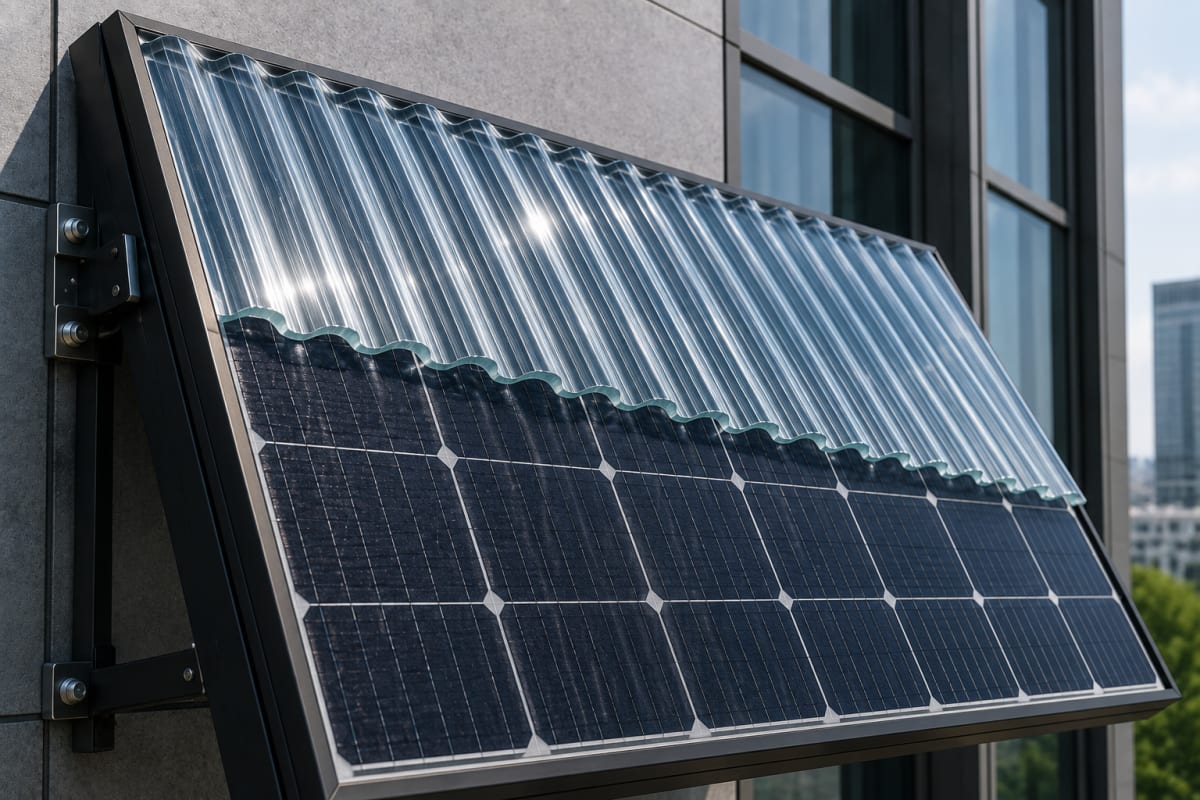
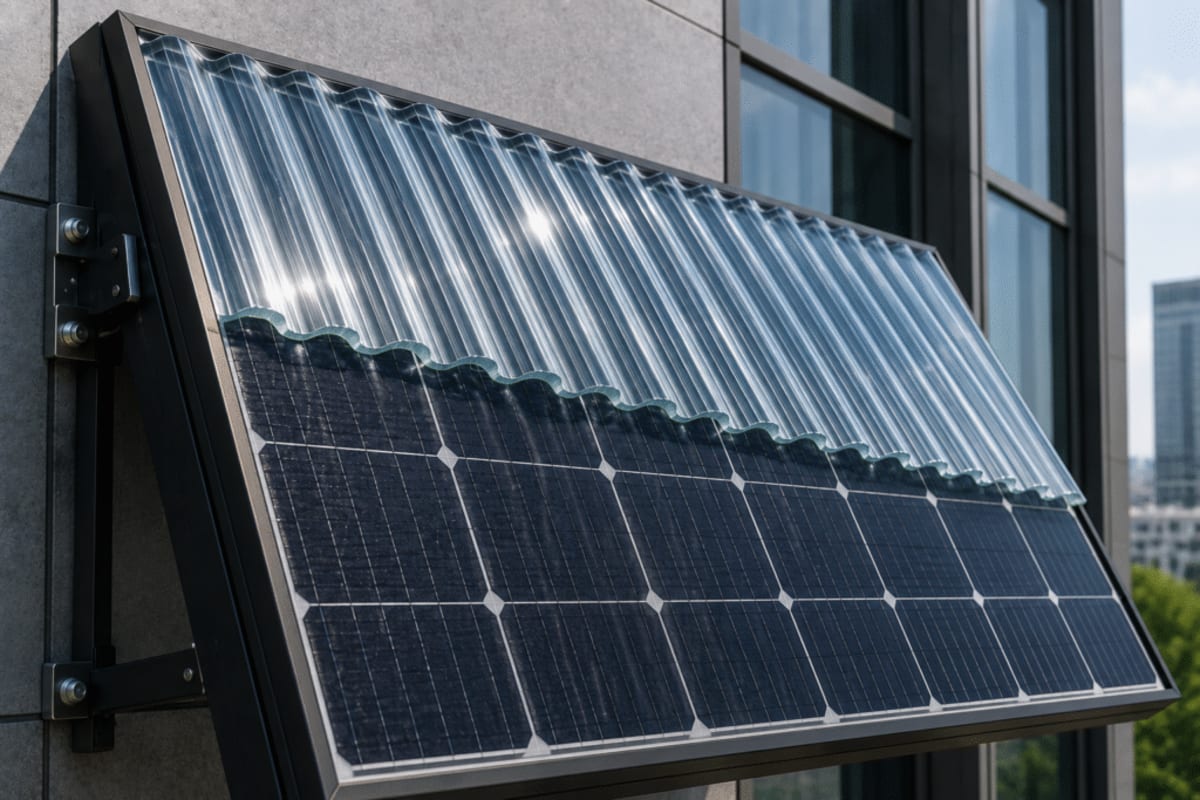
A team at China's Harbin Institute of Technology just changed that with a breakthrough glass design. They created a cover glass with tiny grooves that trap light even when the sun sits low on the horizon or hits the building from the side.
The challenge was huge. Traditional solar panel glass works great when the sun shines straight down, but it reflects most of the light away when sunbeams arrive at steep angles above 70 degrees. That's exactly what happens on vertical building facades throughout the day.
The researchers used advanced computer algorithms to find the perfect groove shape. They tested thousands of combinations of groove depths, widths, and angles to minimize reflection across every possible sunlight angle from zero to 89 degrees.
The results exceeded expectations. At a 70-degree angle, solar modules with the new glass absorbed 12% more light than standard panels. At 89 degrees, where regular panels barely work at all, the grooved glass captured a stunning 73% more energy.
Even better, the design works with existing manufacturing equipment. The grooves have smooth contours and proportions that fit into the rolling processes factories already use to make solar panel covers. That means companies can adopt this technology without retooling their entire production lines.
The team tested whether tiny variations during manufacturing would ruin the performance. The grooved structure maintained its light-trapping abilities even when dimensions shifted slightly, proving it can handle real-world production tolerances.
The Ripple Effect
This innovation unlocks millions of square feet of unused space on building walls worldwide. Cities have far more vertical surface area than rooftops, and this glass finally makes those walls viable for clean energy generation.
Buildings could generate significant power throughout the day as the sun moves across the sky, not just during peak overhead hours. That's especially valuable in dense urban areas where rooftop space is limited but skyscrapers offer vast facade real estate.
The breakthrough also matters for northern regions where the sun never climbs very high during winter months. Vertical panels with this glass could maintain decent performance even in low-angle sunlight that currently renders facade solar nearly useless.
Solar power just got a lot more flexible about where it can work.
More Images


Based on reporting by PV Magazine
This story was written by BrightWire based on verified news reports.
Spread the positivity!
Share this good news with someone who needs it