New Glass Frog Named After Ecuador's First Olympic Champion
Scientists discovered a unique glass frog species in Ecuador's Amazon and named it after Neisi Dajomes, the country's first female Olympic gold medalist. The tiny amphibian represents hope for biodiversity in one of Earth's richest ecosystems.
A tiny green frog perched in Ecuador's misty cloud forests now carries the name of an Olympic champion, bridging the worlds of athletic achievement and scientific discovery.
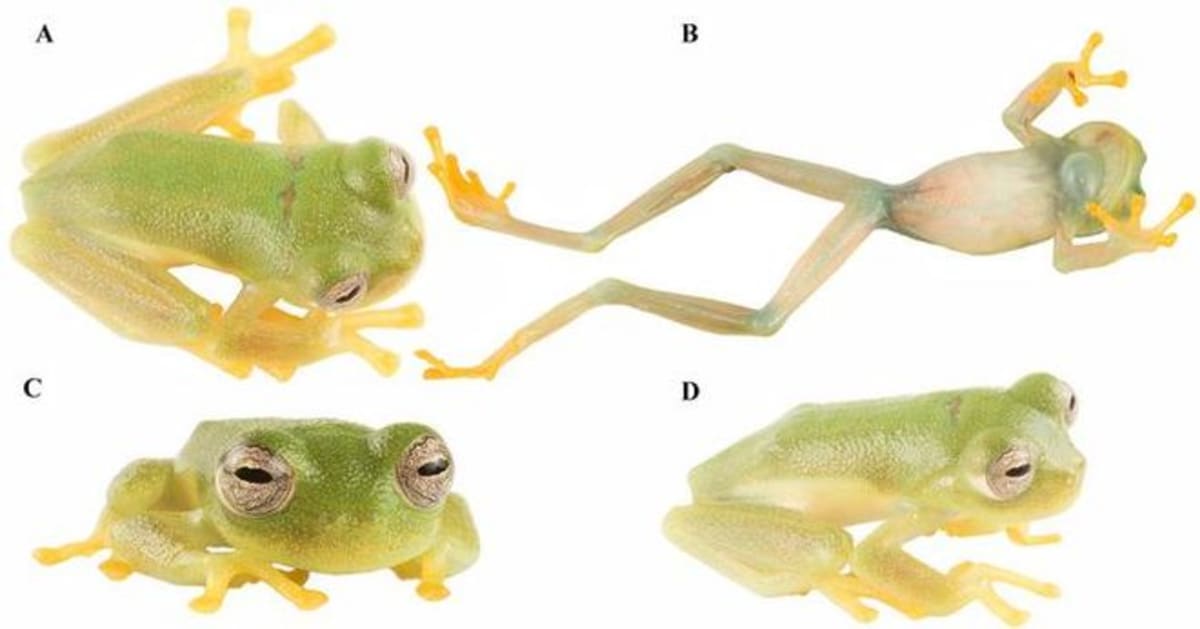
Researchers from Pontificia Universidad Católica del Ecuador found a new species of glass frog near the Peruvian border and named it Nymphargus dajomesae. The name honors Neisi Dajomes, who made history as Ecuador's first woman to win Olympic gold at the 2020 Tokyo Games.
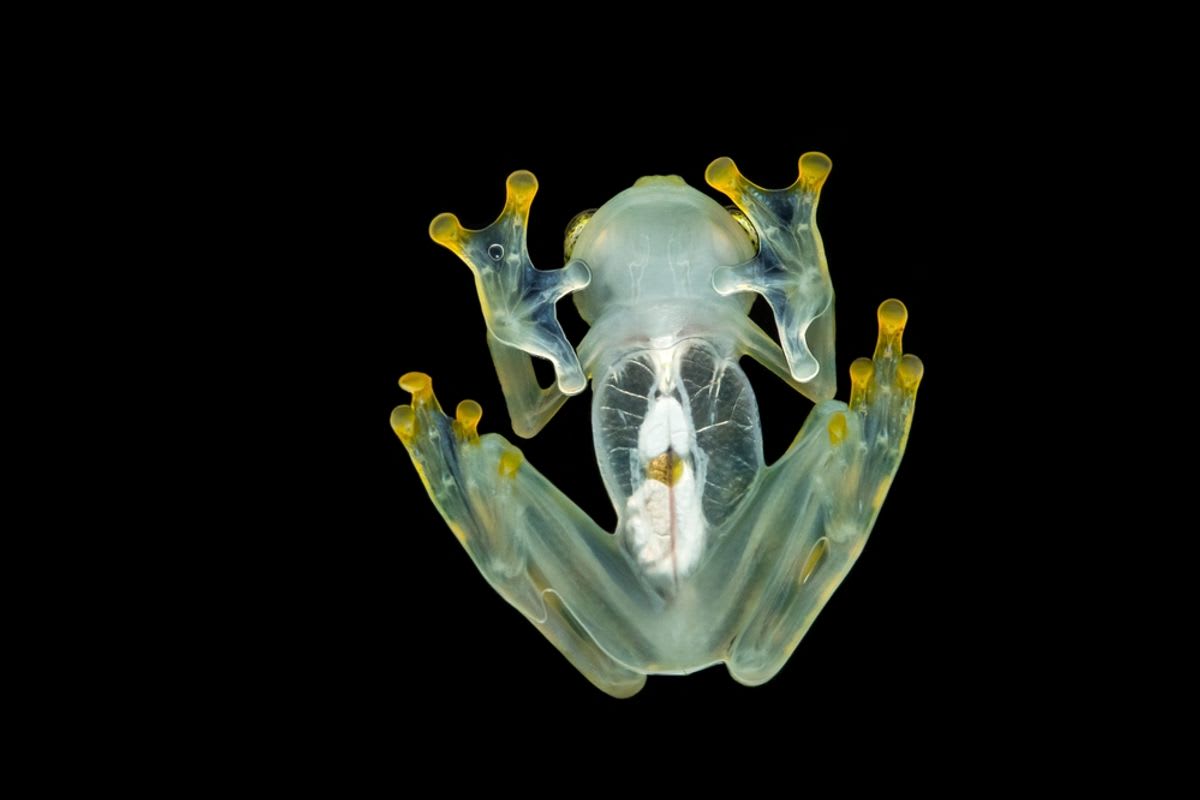
Glass frogs get their name from transparent skin on their bellies that reveals beating hearts and internal organs. But this newly discovered species does things differently.
The Dajomes glass frog sports a white underside with light-reflecting cells covering its heart, stomach, and kidneys. This makes it less see-through than its relatives, though DNA testing confirms it belongs to the glass frog family that emerged around 4.5 million years ago.
Scientists first spotted the little amphibian during expeditions between 2017 and 2018 in El Quimi Nature Reserve. The reserve sits where the Andean mountains meet the Amazon rainforest, creating one of the planet's most biodiverse regions.
Why This Inspires
The discovery carries special meaning beyond scientific achievement. Biology student Mylena Masache led the research, and naming the frog after an Ecuadorian female athlete celebrates women shaping both sports and science.
The team found something even more remarkable during their expeditions. More than 85 percent of the amphibians they observed at El Quimi were previously unknown species, leading them to call the area a "lost world of amphibian diversity."
This remote mountain region hosts at least 23 frog species found nowhere else on Earth. The challenging terrain that kept these creatures hidden for so long also makes them vulnerable to environmental changes, especially with nearby agricultural and mining activities.
Study co-author Diego Cisneros noted the powerful symbolism in having a young female scientist discover and name a species after an Olympic champion. The frog becomes a living reminder that groundbreaking work happens when diverse voices lead the way.
The mountains of Ecuador still hold countless secrets waiting to be discovered, proving nature always has more wonders to share.
More Images

Based on reporting by Google News - Olympic Medal
This story was written by BrightWire based on verified news reports.
Spread the positivity!
Share this good news with someone who needs it