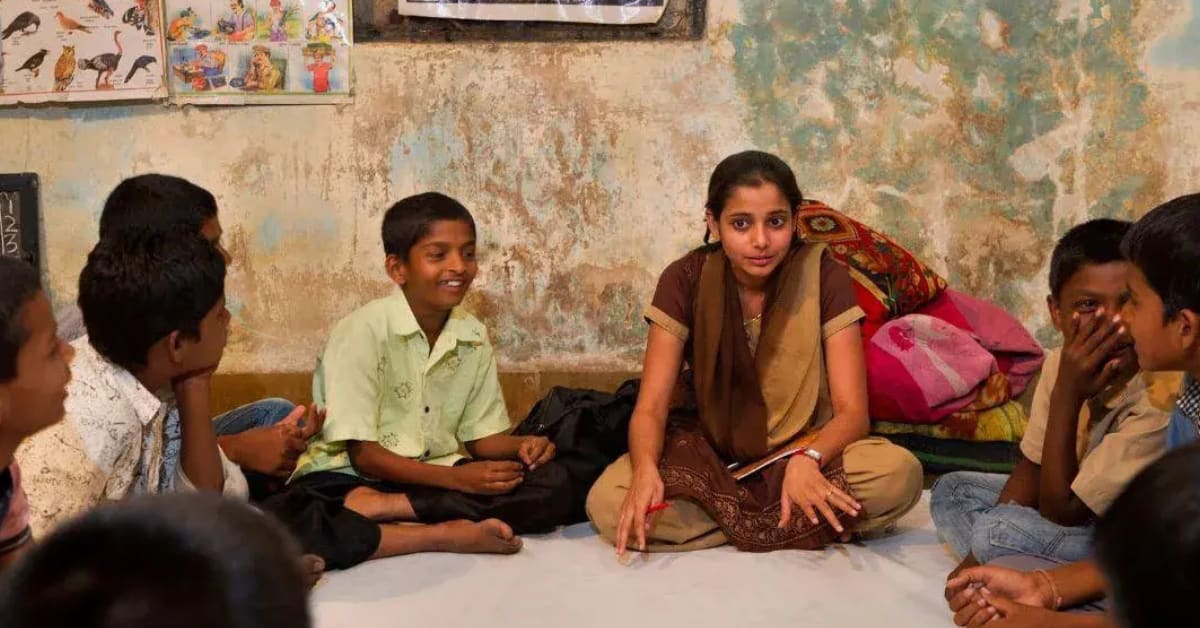
New Guidebook Shows How Boys at 14 Learn Respect
The Better India released a guidebook exploring how conversations about empathy, consent, and boundaries during ages 14 to 17 can shape boys into respectful men. Experts say these early lessons are key to preventing domestic violence and creating healthier relationships.
A new guidebook is helping parents and educators reshape how teenage boys learn about respect, emotions, and healthy relationships.
The Better India partnered with child development experts to create a practical resource that focuses on ages 14 to 17, when boys form lasting ideas about masculinity and boundaries. The guide addresses a question often overlooked in conversations about domestic violence: where do boys first learn about respect and power?
Adolescence is when emotions feel overwhelming and peer approval often outweighs adult guidance. According to UNICEF, stress during these years comes from academic pressure, family expectations, and rigid gender norms that shape how boys see themselves and others.
The guidebook encourages adults to start conversations that many families avoid. Instead of silence or restriction, it promotes openness about crushes, emotions, consent, and the physical and emotional aspects of relationships. The approach helps boys express feelings without harm, communicate clearly, and recognize when their actions hurt others.
Language matters more than parents realize. The guide suggests replacing dismissive phrases like "it's just a phase" with validating responses like "what you're feeling is important." Instead of warning boys that "all boys are the same," adults can acknowledge genuine connections by saying "I can see you like this person for who they are."
The guidebook also addresses modern challenges like cyberbullying and online harassment. For many teenagers, harm happens through screens where messages, tracking, and intimidation create lasting damage that feels inescapable.
Research shows that teenage brains are still developing, particularly the parts that control judgment and impulse control. This means emotions can easily override reasoning. A study found that boys who frequently watch reality dating shows are more likely to believe harmful stereotypes about gender and relationships.
Data from India's National Family Health Survey recorded 11.8 million adolescent pregnancies, highlighting why informed conversations matter. The gap isn't between freedom and control but between silence and honest discussion.
Why This Inspires
This guidebook recognizes that preventing violence starts with teaching boys to be thoughtful rather than impulsive. By giving parents and teachers practical language and approaches, it removes the fear and confusion that often stops these crucial conversations from happening. The resource doesn't just identify problems but offers real solutions that any adult can use.
When boys learn to value respect, recognize boundaries, and process emotions in healthy ways, they grow into men who create safer communities for everyone.
More Images
.png)
%2Fenglish-betterindia%2Fmedia%2Fmedia_files%2F2026%2F05%2F22%2Fteaching-boys-boundaries-2026-05-22-13-43-46.png)

%2Ffilters%3Aformat(webp)%2Fenglish-betterindia%2Fmedia%2Fmedia_files%2F2026%2F05%2F22%2Fteaching-boys-boundaries-2026-05-22-13-55-36.png)
Based on reporting by The Better India
This story was written by BrightWire based on verified news reports.
Spread the positivity!
Share this good news with someone who needs it