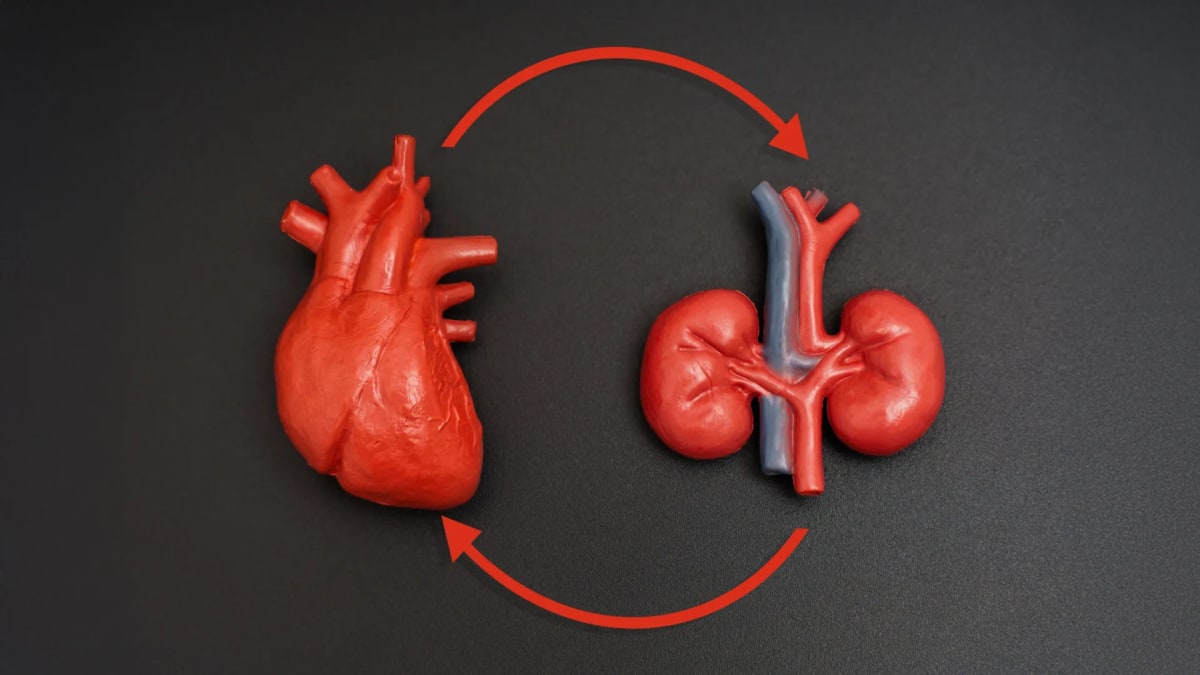
New Heart-Kidney Guidelines Could Save Millions in Europe
Simple blood and urine tests combined with early treatment can now break the dangerous cycle between heart disease and kidney disease. European doctors just released breakthrough guidelines that could help 100 million people avoid serious complications.
Millions of people with heart disease don't know their kidneys are quietly failing, but new medical guidelines could change that with tests as simple as a blood draw.
The European Society of Cardiology just released its first-ever guidelines for managing heart disease and chronic kidney disease together. The timing matters because these two conditions fuel each other, creating a vicious cycle that can lead to early dialysis or fatal heart attacks.
Around 100 million Europeans live with chronic kidney disease, and their risk of developing heart problems skyrockets because of it. Even more concerning, many people being treated for heart disease have no idea their kidneys are struggling until it's too late.
"The disability and lifetime lost to each disease are profound, but kidney disease can accelerate heart disease and vice versa," said Associate Professor Kevin Damman from University Medical Centre Groningen in the Netherlands. He chairs the task force behind the new guidelines, which were presented at ESC Congress 2026.
The solution sounds almost too simple. Doctors can now screen every heart patient for kidney problems using basic blood and urine tests. These tests measure how well kidneys filter waste and check for a protein called albumin that signals kidney damage.
The Bright Side
The real breakthrough isn't just catching problems earlier. Several medications that were already proven effective for heart disease also protect kidneys, and vice versa.
Drugs called RAS inhibitors and SGLT2 inhibitors, along with statins, can slow kidney disease progression while reducing heart attack risk when started early. These treatments are cost-effective and widely available across Europe.
The guidelines use an easy-to-remember approach called "STAMP on CKD": Screen, Triage, Address risk, Modify treatment, and Plan coordinated care. This framework helps doctors quickly identify which patients need urgent attention from both heart and kidney specialists.
Professor William Herrington from the University of Oxford explains that many kidney disease patients are already seeing cardiologists anyway. "With improved screening, more at-risk patients can be identified, and the most appropriate treatments for both conditions can be prescribed," he said.
The task force even created a patient-friendly version of the guidelines so people can understand their condition better and participate in treatment decisions. Active communication between specialists and patients leads to care that actually matches what people need and want from their healthcare.
These guidelines arrive at a critical moment when both heart disease and kidney disease continue straining healthcare systems across Europe, but now doctors have a clear roadmap for preventing the worst outcomes before they happen.
Based on reporting by Health Daily
This story was written by BrightWire based on verified news reports.
Spread the positivity!
Share this good news with someone who needs it