New Heat Pump Slashes Industrial Emissions by 82%
A breakthrough heat pump can replace fossil fuel boilers in factories, cutting carbon emissions by up to 82% while slashing energy costs by over 90%. The technology finally makes it possible to electrify high-temperature industrial heating, one of manufacturing's toughest climate challenges.
Factories might have just gotten their best tool yet for going green without breaking the bank.
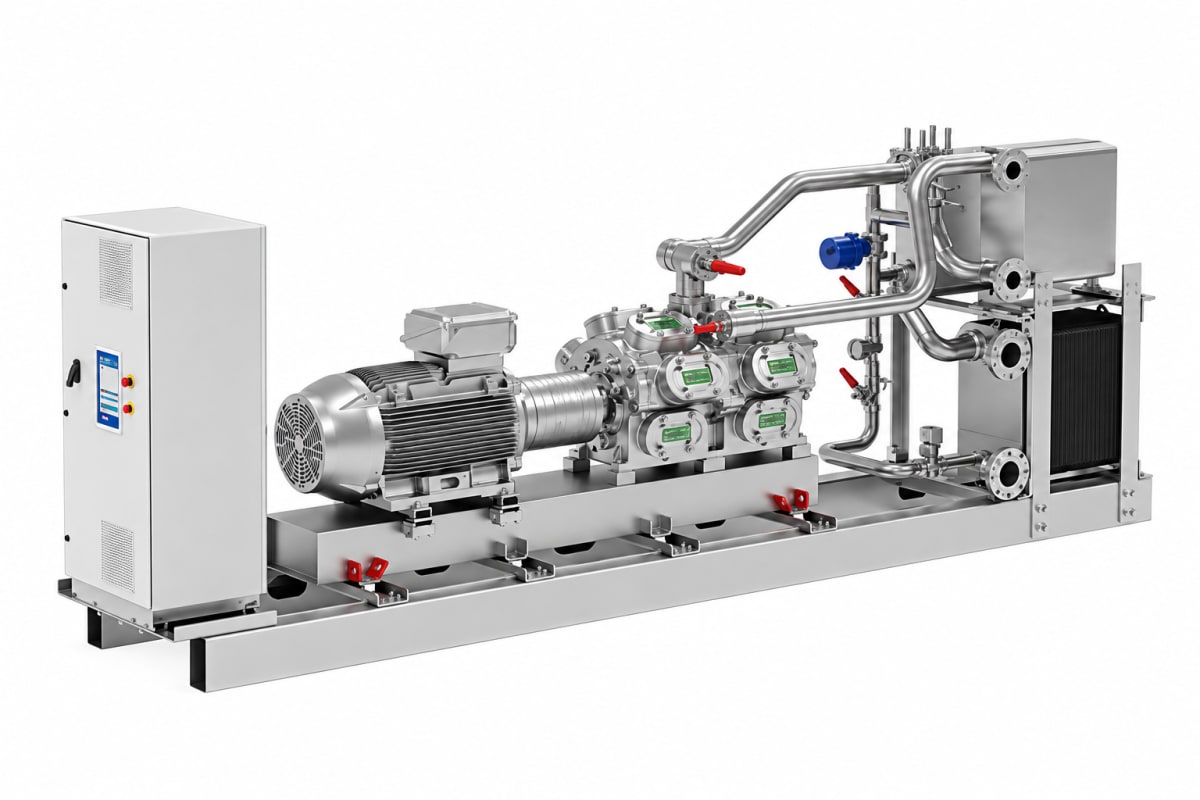
Johnson Controls has launched an industrial heat pump that delivers water hot enough to sterilize medical equipment and process food, all while producing 82% fewer emissions than traditional boilers. In real-world testing, one facility combining the system with waste heat achieved three times the energy efficiency of electric boilers and cut energy costs by more than 91%.
The Sabroe HitemHP system can heat water up to 122 degrees Celsius, hot enough for pasteurization, sterilization, and even indirect steam production. That might not sound revolutionary until you realize that electrifying high-temperature industrial heat has stumped engineers for years.
"Until now, electrifying high-temperature heat has been one of the hardest problems to solve," said Steve Bell, vice president at Johnson Controls. The company designed the system specifically for industries like food processing, pharmaceuticals, biotechnology, and advanced manufacturing.
The technology works by using natural refrigerants like butane to transfer heat efficiently. At typical operating conditions, the heat pump delivers between three and four units of heat for every unit of electricity it consumes. Traditional electric boilers, by comparison, can only convert electricity to heat at a one-to-one ratio at best.
The system comes in 10 different sizes, with heating capacities ranging from 100 kilowatts to one megawatt. That flexibility means small pharmaceutical labs and large food processing plants can both find a configuration that fits their needs.
Johnson Controls manufactures the units at its facility in Denmark, where each pump gets factory tested before shipping. The company offers variable speed drives that let the system dial down to just 18% of its maximum output when less heat is needed, boosting efficiency by up to 20% during partial operation.
The Ripple Effect
This breakthrough arrives at a critical moment for global climate goals. Industrial heat accounts for a massive chunk of worldwide carbon emissions, and most factories still rely on natural gas or oil-fired boilers. Technologies that can drop into existing facilities without requiring complete redesigns make the clean energy transition actually achievable for manufacturers.
The cost savings create a powerful incentive beyond environmental benefits. When businesses can slash their energy bills by over 90% while meeting sustainability targets, going green becomes an easy business decision rather than an expensive compromise.
Early adopters are already proving the concept works in real conditions, not just laboratory tests. As more facilities install these systems and share their results, expect the technology to spread quickly across industries that have struggled to reduce emissions.
Industrial decarbonization just got a whole lot more practical.
More Images


Based on reporting by PV Magazine
This story was written by BrightWire based on verified news reports.
Spread the positivity!
Share this good news with someone who needs it