New HPV Cancer Vaccine Shows Promise in Early Lab Tests
Scientists have designed a cancer vaccine that successfully fought HPV-related throat tumors in mice, offering hope for people battling these aggressive cancers. The breakthrough lies in how the vaccine's components are arranged, making it more effective at training the immune system to recognize and destroy cancer cells.
A new cancer vaccine has shown remarkable results against HPV-driven throat tumors in laboratory studies, potentially offering a powerful new tool for patients fighting these aggressive cancers.
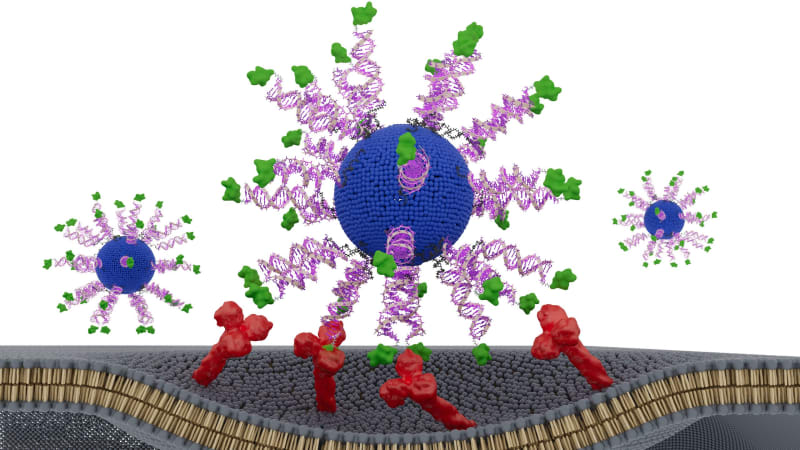
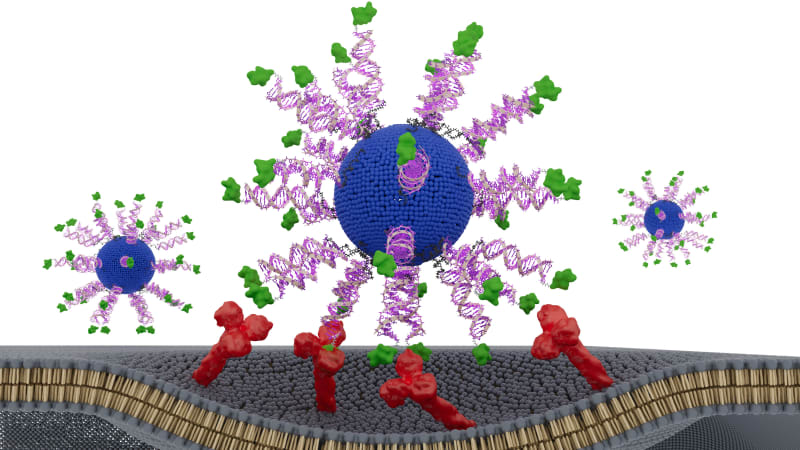
Scientists engineered a vaccine using tiny spherical nanoparticles that contain fragments of HPV proteins found on tumor cells. When tested on mice with HPV-positive head and neck cancer, the vaccine slowed tumor growth and improved survival rates.
The vaccine's secret lies in its unique structure. Researchers tested three different designs, changing only where they positioned the HPV protein fragment on each nanoparticle. Two versions placed the fragment on the surface, while one hid it inside.
The design matters more than anyone expected. The vaccines with surface-positioned fragments worked significantly better than the hidden version, teaching the immune system to recognize and attack cancer cells more effectively.
About 70% of throat cancers in the United States are linked to HPV, the same virus that causes cervical cancer. While the Gardasil 9 vaccine can prevent HPV infections, people who already have HPV-related tumors currently rely on surgery, radiation, and chemotherapy.
This new vaccine wouldn't replace those treatments. Instead, it could work alongside them, helping the immune system fight cancer during treatment and preventing it from coming back later.
Dr. Ezra Cohen, a head and neck cancer specialist at UC San Diego Health who reviewed the study, said the approach shows real promise. He envisions doctors using standard therapies to eliminate visible tumors, then giving patients the vaccine to prevent recurrence.
The vaccine uses spherical nucleic acids, globe-shaped DNA particles that enter immune cells more efficiently than straight DNA. Each nanoparticle includes an adjuvant that mimics bacterial DNA, triggering the immune system to recognize it as foreign and mount a strong response.
Why This Inspires
Cancer vaccines represent a fundamental shift in how we fight disease. Instead of just attacking tumors with toxic chemicals or radiation, this approach teaches our own immune systems to become smarter, more targeted fighters.
The research team's discovery that structure matters as much as content opens doors beyond HPV cancers. Scientists can now apply these design principles to vaccines targeting other cancers and diseases, potentially improving treatments across medicine.
Cohen cautioned that lab results don't always translate to human patients. But strong preclinical data like these significantly increase the chances of success in human trials, bringing hope closer to reality.
The study was published in the journal Science Advances, marking an important step toward clinical trials. If proven effective in humans, this carefully crafted vaccine could transform how doctors treat HPV-related cancers and help patients stay cancer-free for good.
More Images



Based on reporting by Live Science
This story was written by BrightWire based on verified news reports.
Spread the positivity!
Share this good news with someone who needs it