New Implant Coating Could End Follow-Up Surgeries
Scientists have developed a groundbreaking coating for medical implants that safely dissolves as bones heal, potentially eliminating painful removal surgeries for millions of patients worldwide. The innovation combines bioactive peptides with biodegradable magnesium to create implants that do their job and then disappear.
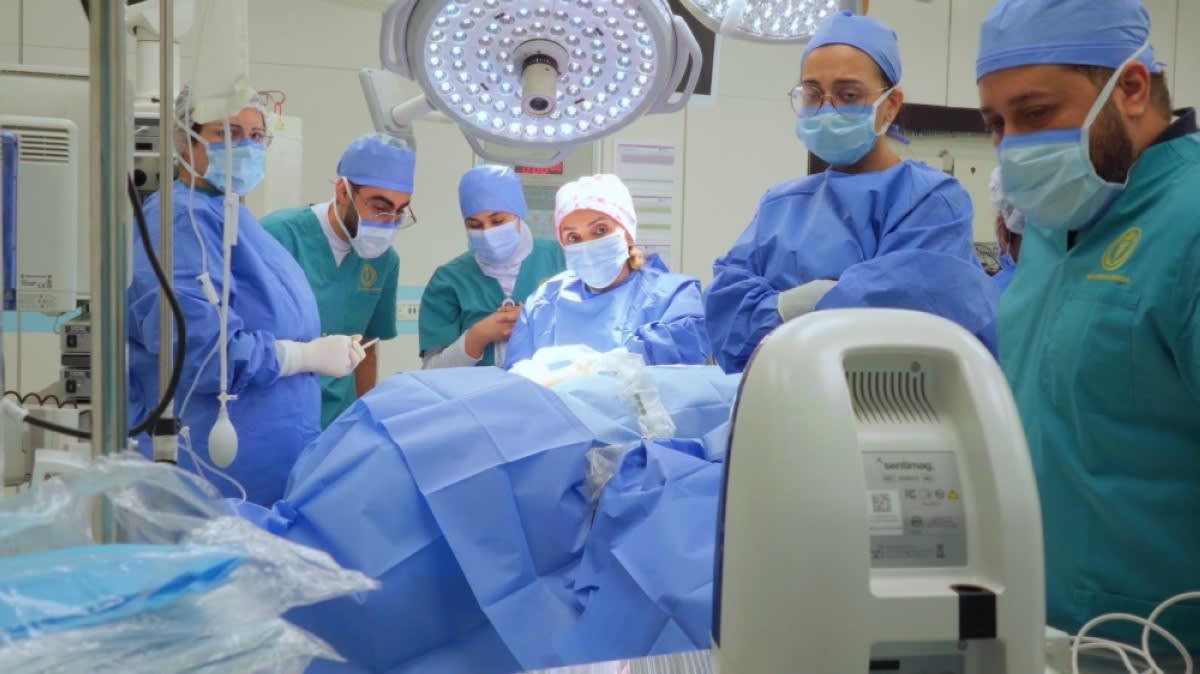
Imagine breaking a bone and needing metal plates or screws, then facing a second surgery months later just to remove them. Scientists at the University of the Sunshine Coast in Australia may have just made that nightmare obsolete.
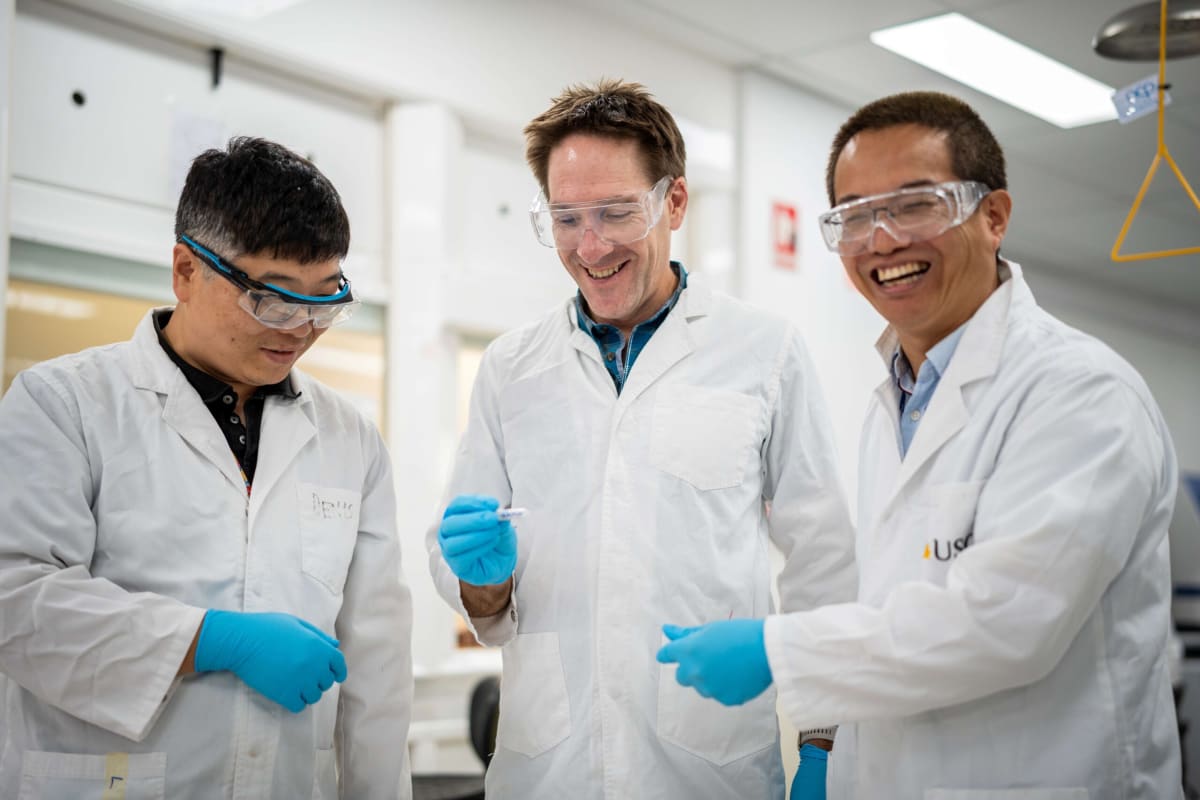
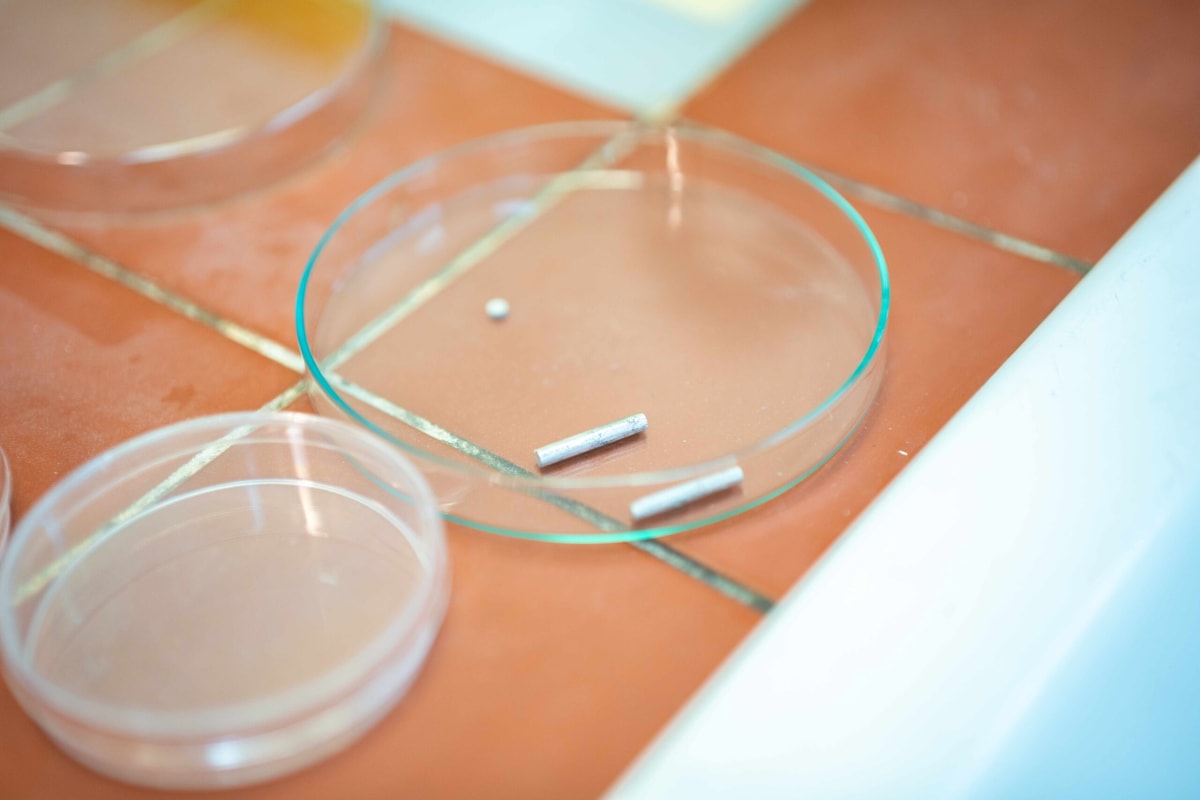
Researchers from UniSC's Centre for Bioinnovation partnered with teams in China and Japan to develop a revolutionary coating for medical implants. The coating uses bioactive peptides (tiny protein fragments found naturally in the body) on biodegradable magnesium implants that safely dissolve as your body heals.
Traditional implants made from stainless steel or titanium stay in your body forever or require surgical removal once healing is complete. That second surgery brings pain, anxiety, recovery time, and thousands in medical costs.
The new magnesium implants are different. They're designed to degrade naturally over time, matching the pace of bone healing so they disappear exactly when they're no longer needed.
But earlier biodegradable implants had problems. Some degraded too quickly or caused infections, which meant removal surgery anyway. The new coating solves both issues by reducing inflammation and providing antibacterial protection during those critical early healing days.
"Our ultimate goal is to create self-absorbing implants that support healing then naturally disappear once no longer needed," said Associate Professor Tianfang Wang. "This would reduce the physical and emotional burden associated with implant removal, giving patients greater confidence and comfort in their recovery."
The technology could transform treatment for broken bones requiring plates, screws, and pins. It might also work for dental implants and cardiovascular stents, anywhere antibacterial protection matters most in those vulnerable first weeks after surgery.
The Ripple Effect
The impact extends far beyond individual patients. Eliminating follow-up surgeries means fewer hospital beds occupied, reduced healthcare costs, and less strain on medical systems worldwide. For children who break bones while growing, self-dissolving implants would be especially valuable since their bodies change so rapidly.
Dr. Hejie Li highlighted the broader benefits: "Degradable, biocompatible magnesium implants with built-in antibacterial activity could eliminate these issues, reducing patient distress, surgical risks, and healthcare costs while promoting more sustainable medical practices."
The research team is now preparing for early pre-clinical trials and exploring partnerships with biomedical companies to scale up production. They're also investigating whether the coating could work on other metals and be compatible with 3D printing technology, which could customize implants for individual patients.
Recent results published in Biomaterials Research show promising outcomes that bring this technology closer to operating rooms around the world.
More Images
Based on reporting by Google: medical breakthrough
This story was written by BrightWire based on verified news reports.
Spread the positivity!
Share this good news with someone who needs it