New Insects Thrive in UK's West Midlands as Climate Warms
Hummingbird hawk moths, ivy bees, and wasp spiders are moving north into England's West Midlands as rising temperatures create new habitats. Wildlife experts are celebrating these stunning new arrivals while carefully tracking which species flourish and which struggle in the changing climate.
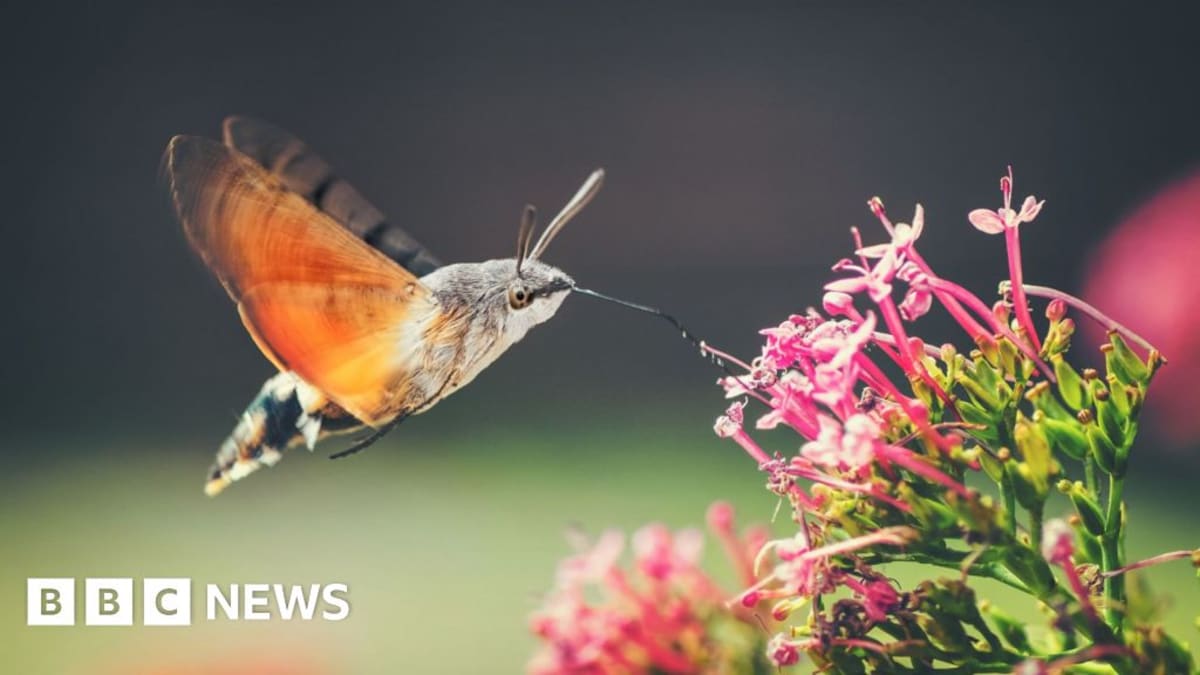
Tiny wings beating 80 times per second, hummingbird hawk moths are now swarming across England's West Midlands in record numbers, delighting residents who often mistake them for actual hummingbirds.
The furry grey moths with orange hindwings typically migrate from southern Europe and north Africa each summer. But 2024 has been exceptional, according to James Benwell from the Birmingham and Black Country Wildlife Trust.
"Normally they would come in small numbers," Benwell said. "But this year, we've seen loads of records of them."
The moths aren't alone in their northward expansion. Ivy bees, first spotted on British shores in 2001, have spread steadily across the Midlands since arriving in Stourbridge in 2015. These unassuming pollinators now cluster around ivy-covered buildings throughout the region.
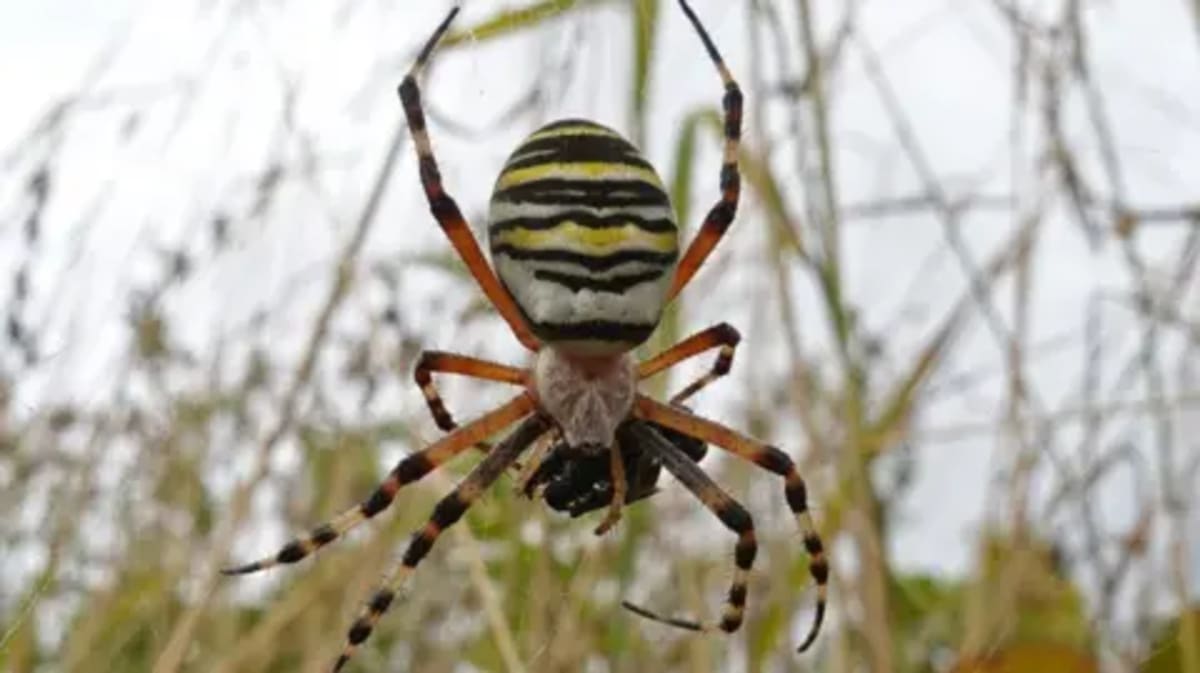
Even more dramatic is the arrival of the wasp spider, one of Britain's largest spider species. Known for its striking yellow, black and white stripes, this impressive arachnid has traveled over 100 miles north from its usual habitat, appearing in Worcestershire, Herefordshire and Warwickshire.
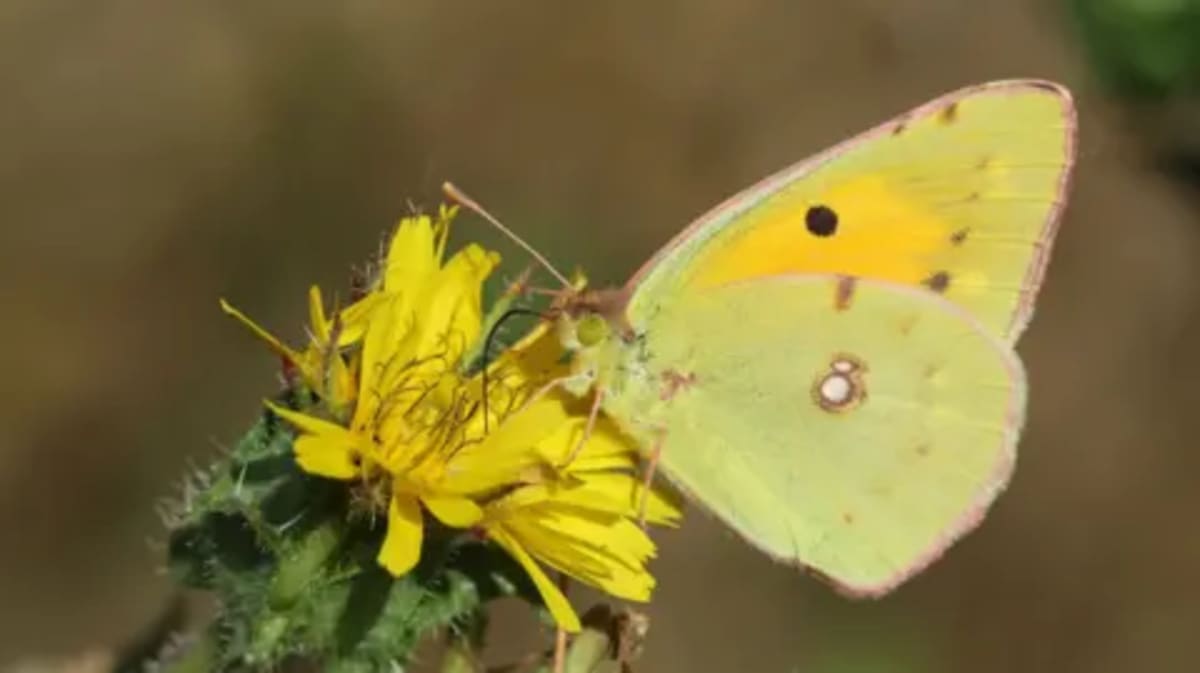
Other newcomers include the hornet hoverfly, which mimics hornets for protection despite being harmless, and the cricket bat spider, named for its distinctive markings. The clouded yellow butterfly, a European migrant that typically can't survive British winters, is also thriving during hot summers.
The Bright Side
Rosemary Winnall from the Wyre Forest Study Group says these arrivals deserve celebration. Her team has documented willow emerald damselflies, southern oak bush crickets, and purple emperor butterflies all making successful homes in areas where they'd never been seen before.
"We are encouraging folk to record the common species of today as they may be the rarities of the future," Winnall explained.
Warm weather has also boosted populations of sunshine-loving butterflies like the holly blue and the pearl-bordered fritillary, which had rapidly declined in recent decades.
The wildlife trusts are carefully monitoring which species benefit from climate shifts and which struggle. Some once-common insects like the small tortoiseshell butterfly and two-spot ladybird are becoming increasingly rare, even as newcomers flourish.
For now, though, residents can enjoy spotting these remarkable creatures in their own backyards, watching nature adapt in real time to a changing world.
More Images

Based on reporting by BBC Science
This story was written by BrightWire based on verified news reports.
Spread the positivity!
Share this good news with someone who needs it