New Jersey's Ocean Buoy Powers Research and Green Jobs
A solar-powered floating observatory has returned to life three miles off the Jersey Shore, opening new doors for ocean research, student training, and sustainable technology development. The collaboration between universities and state agencies positions New Jersey as a leader in marine innovation.
Scientists just brought a piece of New Jersey's coastal future back online, and it's floating three miles offshore with a mission to unlock ocean secrets while building tomorrow's green economy.
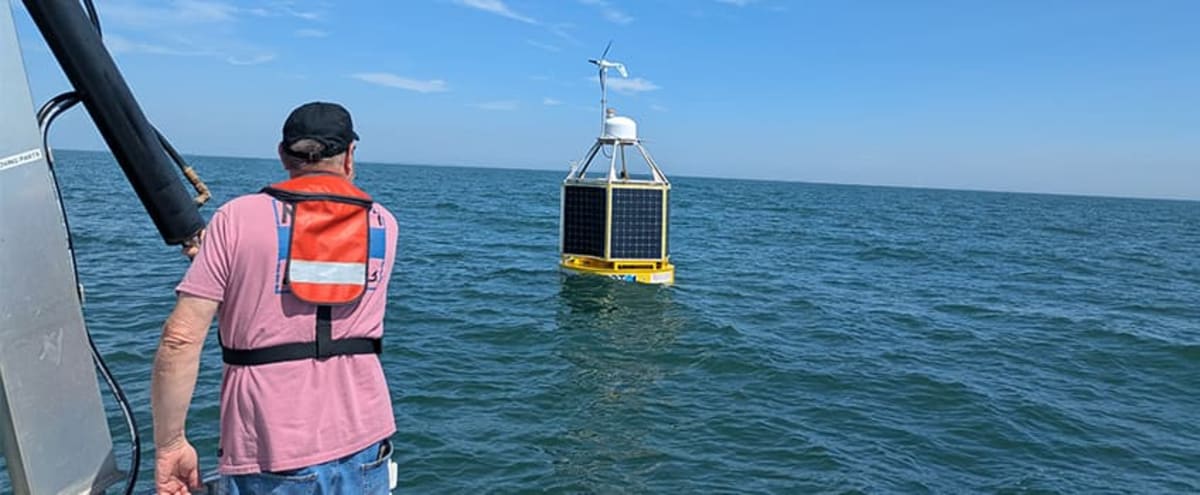
The PowerBuoy, a compact research platform about as tall as a streetlight, now sits anchored off Tuckerton reviving the historic Long-Term Ecosystem Observatory site. This floating data hub runs entirely on solar and wind power, sending real-time ocean conditions back to shore while supporting scientific instruments and emerging marine technologies.
The deployment marks a major win for collaboration between Rutgers University, Stockton University, the New Jersey Economic Development Authority, and Ocean Power Technologies, a Monroe Township company that built the system. Together, they're positioning New Jersey as a national leader in sustainable marine innovation.
The timing couldn't be better for coastal research. The buoy sits near the Mullica River-Great Bay estuary, one of the East Coast's most pristine coastal environments, where scientists study everything from fish ecology to storm impacts.
"By linking long-term observations near shore with new data from offshore, we can better study how fish, habitats, storms and changing marine conditions interact," said Thomas Grothues, director of the Rutgers Marine Field Station.
Students stand to gain some of the biggest benefits. Stockton's Marine Field Station in Port Republic will provide vessel support through boats like the R/V Petrel, giving students hands-on access to advanced ocean technology and real-world fieldwork that prepares them for careers in coastal science.
The buoy's design makes it especially valuable for testing new ideas. Its compact size works perfectly in shallow water, while extra ports let researchers plug in their own sensors to track weather, waves, water quality, and other ocean conditions.
The Ripple Effect
This project creates pathways far beyond academic research. The platform gives startups and inventors a real-world testing ground for marine technologies, from improved coastal monitoring systems to tools that could enhance storm preparedness.
The workforce development potential runs deep. Students working at the site gain experience with cutting-edge equipment and data analysis skills that employers in the growing ocean economy desperately need.
Companies developing marine sensors, communications systems, and sustainability tools now have offshore infrastructure to evaluate their innovations under actual ocean conditions. That kind of access can accelerate development and attract investment to New Jersey's coastal communities.
"The PowerBuoy will help unlock significant opportunities for marine research, scientific discovery and economic growth," said Evan Weiss, chief executive of the New Jersey Economic Development Authority.
The platform represents more than just restored research capability. It's a working example of how clean energy, scientific collaboration, and economic development can power each other forward while protecting the coastal environments that make life in New Jersey special.
Based on reporting by Google News - Economic Growth
This story was written by BrightWire based on verified news reports.
Spread the positivity!
Share this good news with someone who needs it