New Kidney Procedure Drops Blood Pressure by 20 Points
A young Australian woman who tried eight medications for high blood pressure finally found relief through a groundbreaking procedure that targets overactive nerves. The trial at Royal Perth Hospital could help millions worldwide living with hypertension.
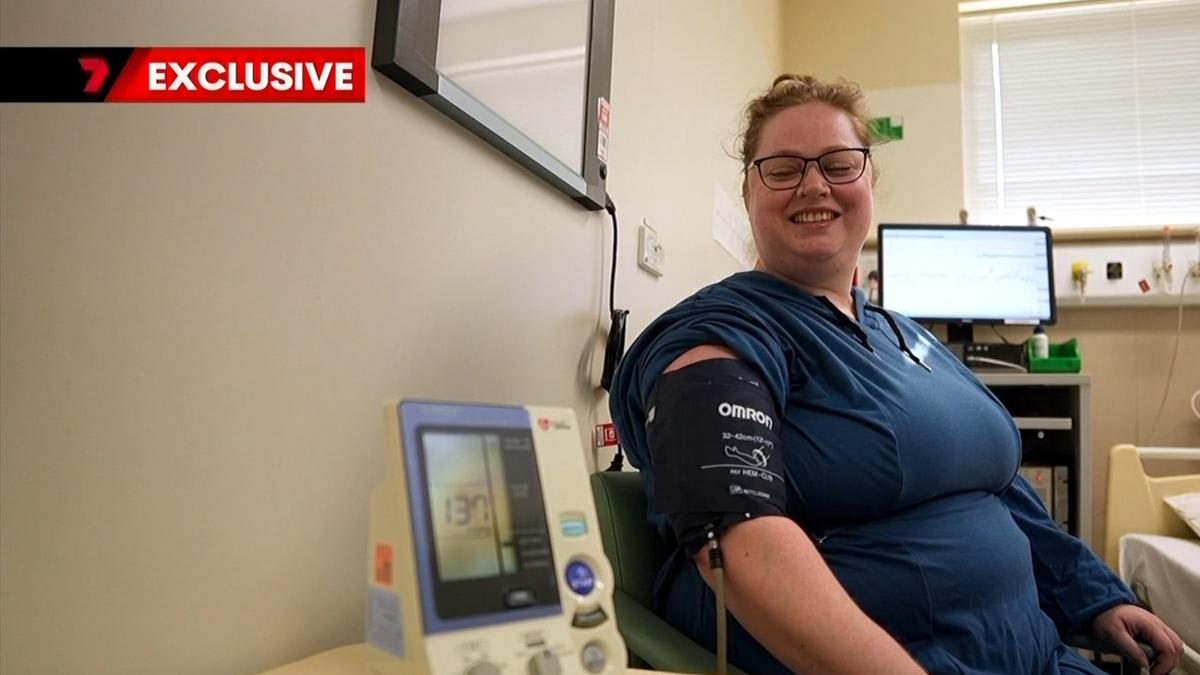
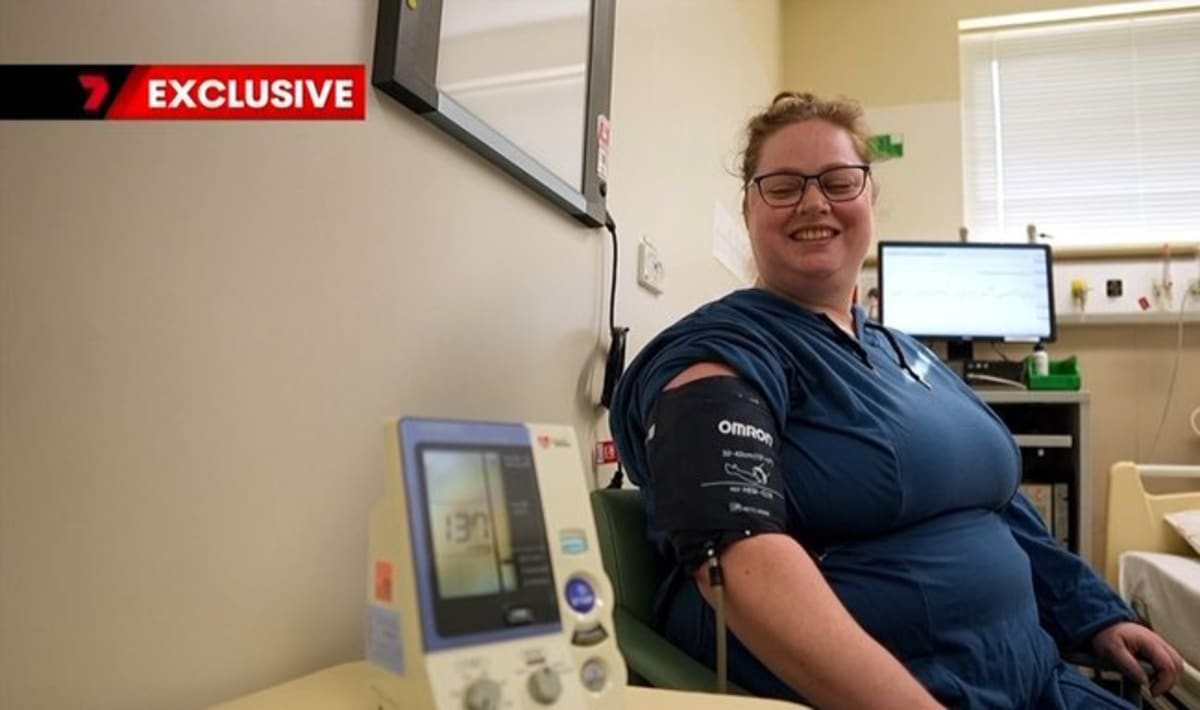
When Rebekah Pythian received her high blood pressure diagnosis at just 27 years old, she sat in her car and cried, wondering if she was dying.
Eight different medications later, nothing had worked. Then Royal Perth Hospital selected her for a world-first trial that would change everything.
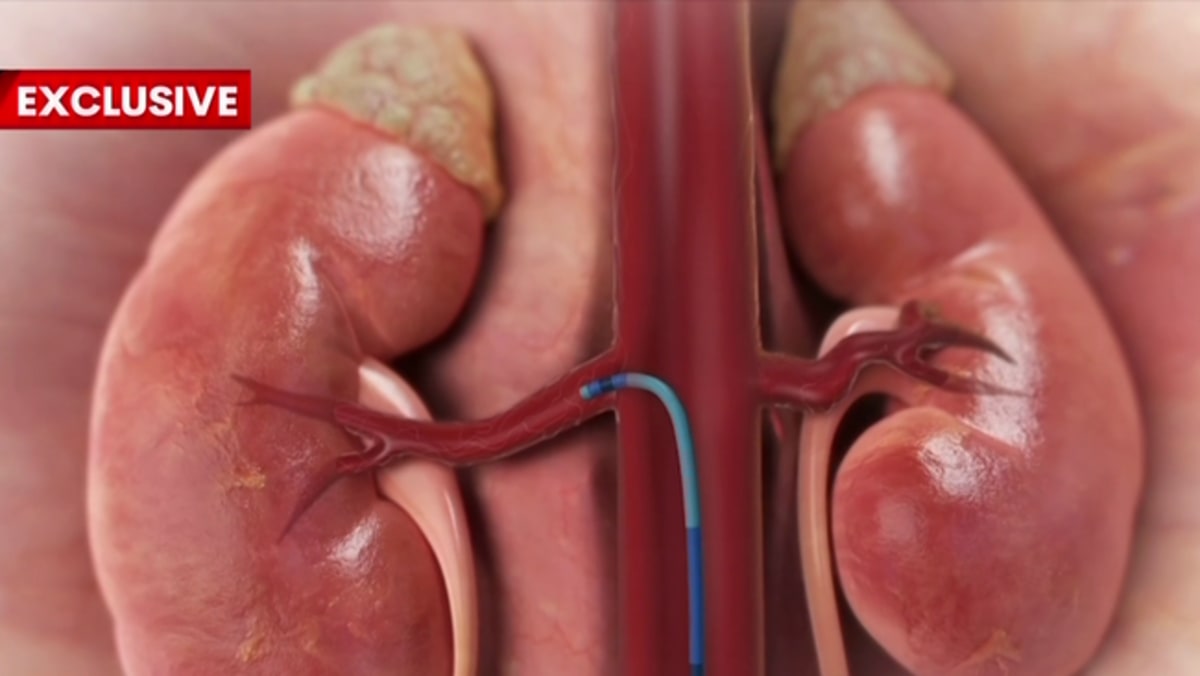
The revolutionary procedure uses a catheter to silence overactive nerves in the kidneys and liver. Scientists discovered these nerves become highly activated in people with hypertension and diabetes, driving up blood pressure to dangerous levels.
Pythian stayed awake during the two-hour keyhole surgery and went home the next day. Within weeks, her blood pressure dropped 20 points.
"It's a bit of a relief. Phew," she said, describing results that seemed impossible after years of failed treatments.
Professor Markus Schlaich, a hypertension specialist leading the trial, called the reduction "clinically significant." A 10-point drop typically lowers the risk of heart attacks and stroke by about 20 percent, making Pythian's 20-point improvement potentially life-saving.
The stakes couldn't be higher. Hypertension kills 11 million people globally each year, including more than 25,000 Australians. An estimated one third of the population has high blood pressure, but half don't even know it because the condition rarely shows symptoms.
The Ripple Effect
This Australian breakthrough could transform treatment for millions who struggle with medication-resistant hypertension. Traditional drugs work for many patients, but Pythian's story highlights a critical gap for those who fall through the cracks.
The procedure offers hope to people who've exhausted pharmaceutical options and faced a future of constant worry about heart attacks and strokes. For younger patients like Pythian, who potentially face decades of uncontrolled blood pressure, the impact becomes even more profound.
Professor Schlaich encourages everyone to know their numbers through regular checks at their doctor's office or pharmacy. Early detection means more treatment options and better outcomes.
For Pythian, those new numbers mean freedom. "All these things that I've been, like, going, I can't do that because my blood pressure," she said. "And then I can go, well, you know what? I actually can do those now."
More Images

Based on reporting by Google News - Australia Breakthrough
This story was written by BrightWire based on verified news reports.
Spread the positivity!
Share this good news with someone who needs it