New Korean Dinosaur Discovery Unlocks Ancient Migration Mystery
Scientists in South Korea just discovered their third native dinosaur species in 15 years, a tiny juvenile named after a beloved cartoon character. The find is revealing how dinosaurs traveled between Asia and North America 100 million years ago.
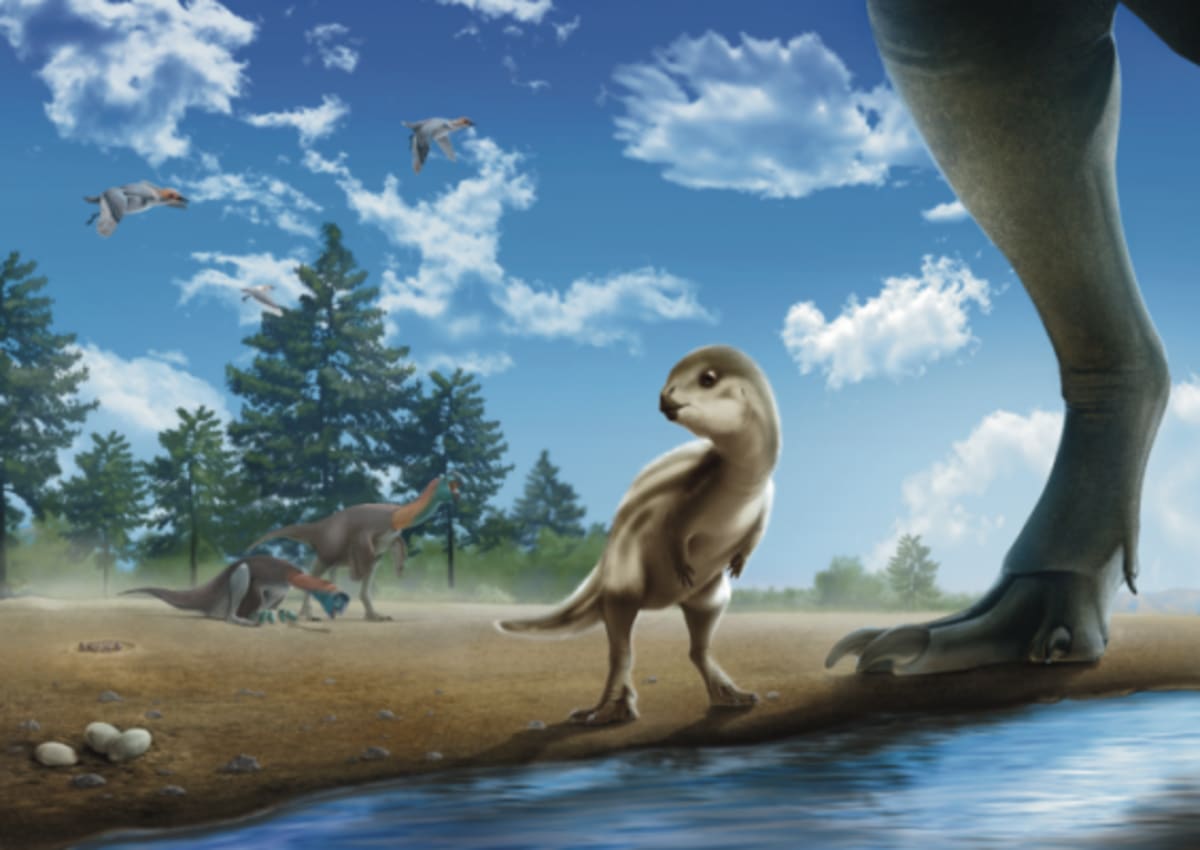
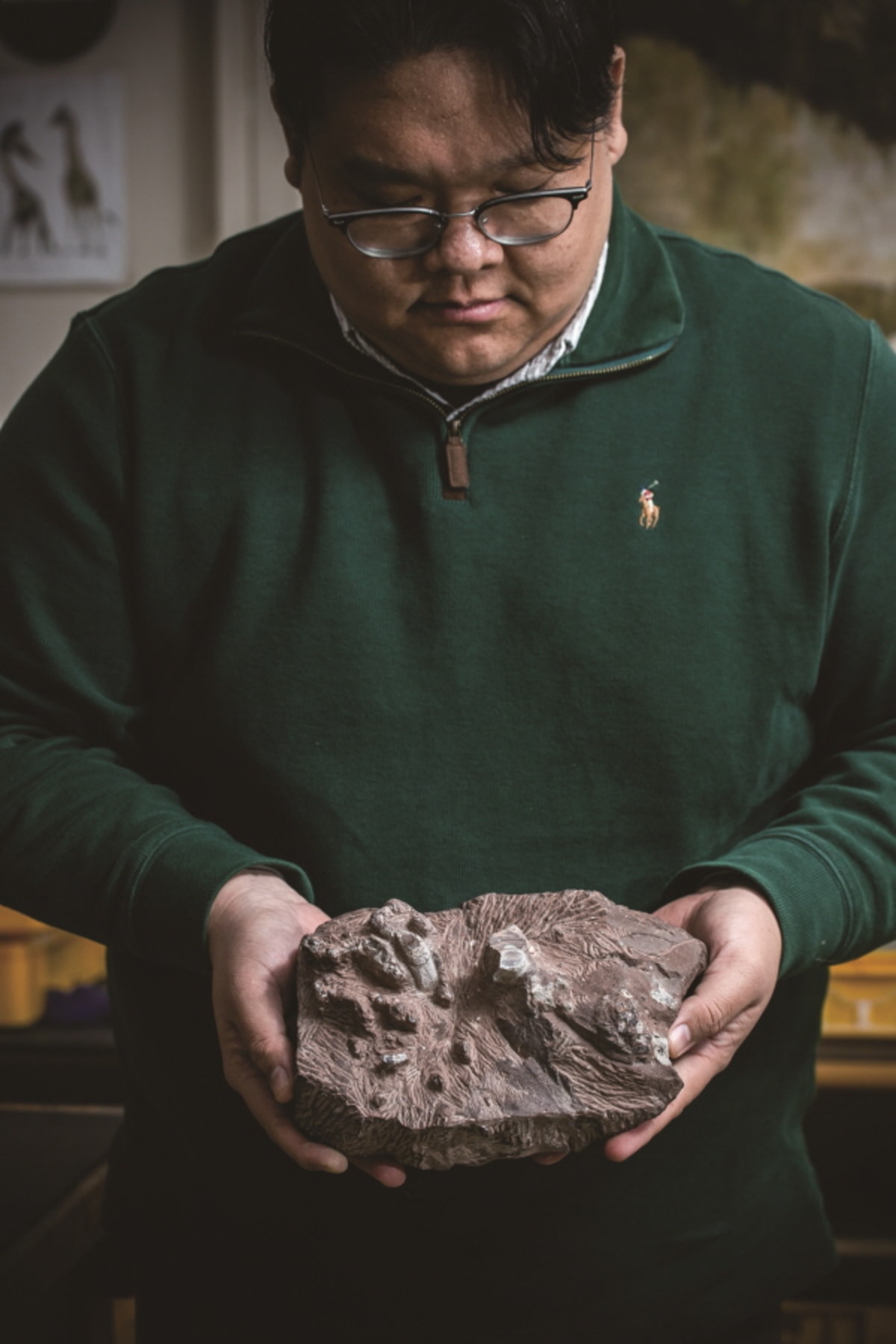
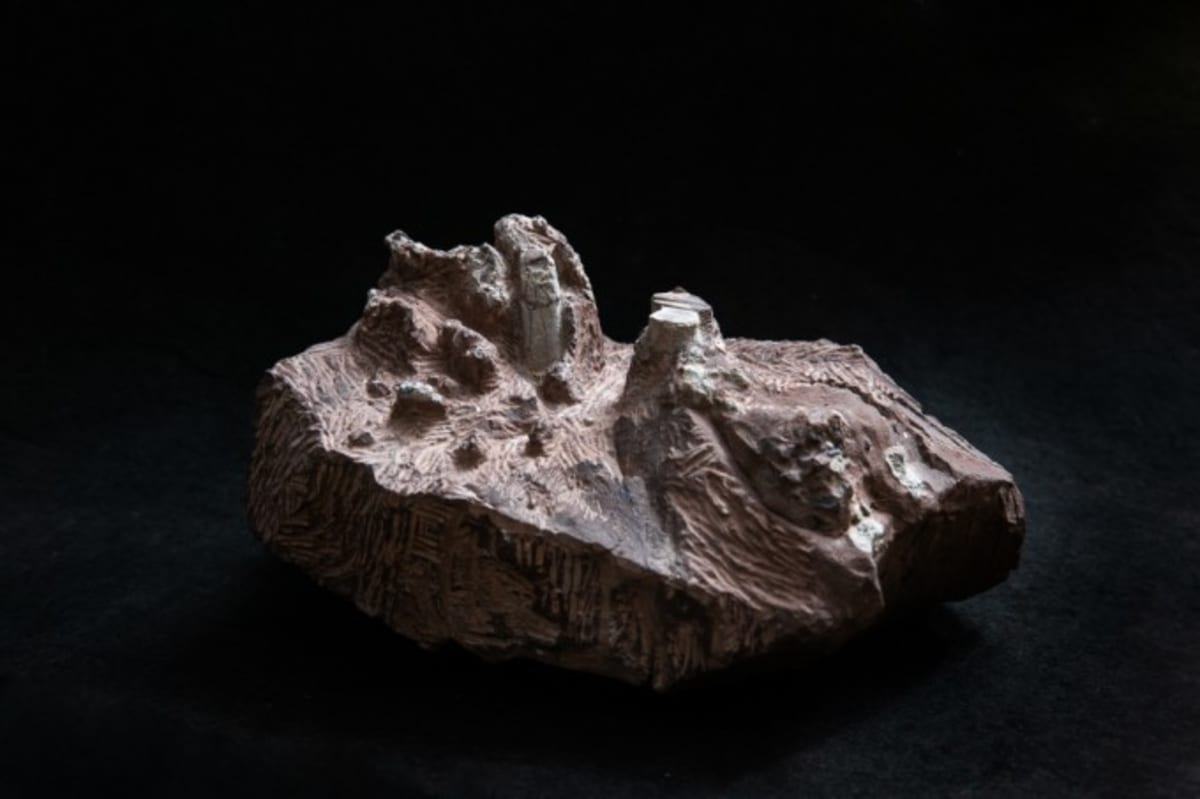
A team of Korean paleontologists just uncovered something extraordinary on a small island: the first dinosaur skull ever found on the Korean Peninsula, belonging to a brand new species. They named it Doolysaurus, after Korea's iconic cartoon character Dooly the Little Dinosaur, because the fossil came from a juvenile less than two years old.
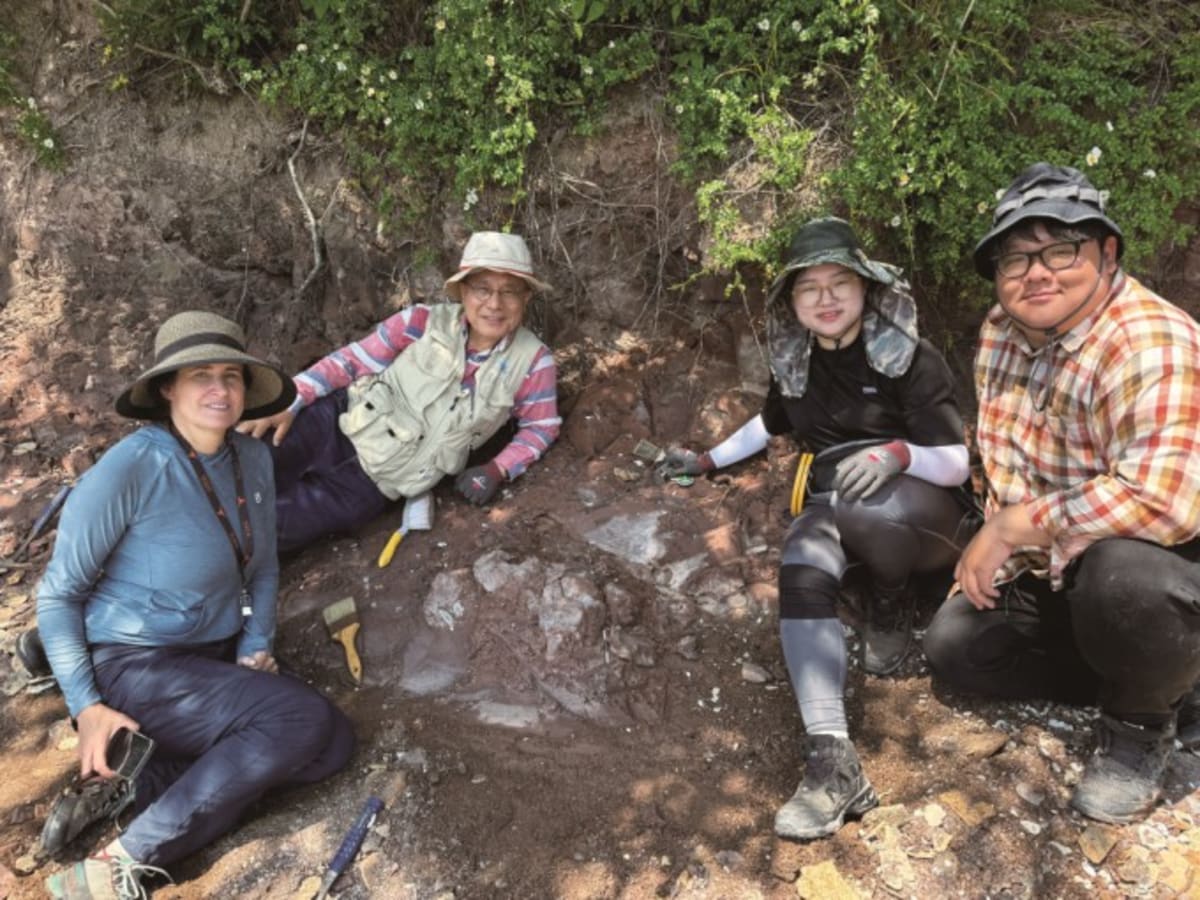
The discovery happened on Aphaedo Island in Shinan, where researchers from Chonnam National University's Korea Dinosaur Research Center found fossils dating back 113 to 97 million years. This marks only the third new dinosaur species discovered on the Korean Peninsula since 2010, making it a rare and significant find.
Doolysaurus was about three feet long when it died, though adults likely grew to 12 feet. What makes this fossil special isn't just the perfectly preserved skull with 15 teeth. Researchers also found gastroliths, or stomach stones, the first ever discovered with Korean dinosaur remains, suggesting this little dinosaur was an omnivore.
The discovery solves a puzzle that has stumped scientists for decades. During the Cretaceous period, Asia and North America were connected by the Bering Land Bridge, allowing dinosaurs to migrate between continents. Doolysaurus belongs to a family called Thescelosauridae, and until now, almost all fossils from this group have been found in North America.
Finding a primitive thescelosaurid in Korea suggests these dinosaurs actually originated in Asia before crossing into North America. The Korean Peninsula sits right in the middle of this ancient migration route, making it a crucial piece of the paleontological puzzle.
The Ripple Effect
This discovery is opening doors for a new generation of Korean paleontologists. For years, Korea has been an information gap between fossil-rich Mongolia, China, and Japan. Most Korean finds have been footprints or eggs, not bones.
Researcher Jung Jong-yun, who led the study published in Fossil Record, believes Doolysaurus signals more discoveries ahead. Korea's southern coast likely holds many more hidden fossils waiting to reveal what life looked like on the ancient Korean Peninsula.
The scientific name honors Huh Min, who spent 30 years building Korea's dinosaur research program. Now serving as Administrator of the National Heritage Administration, Huh is watching his students carry the torch forward, searching for Korea's fourth native dinosaur species.
With each new fossil, scientists are painting a clearer picture of how ancient creatures moved across our planet, and Korea is finally taking its rightful place in that story.
More Images
Based on reporting by Google: fossil discovery
This story was written by BrightWire based on verified news reports.
Spread the positivity!
Share this good news with someone who needs it