New Laser Tech Recovers 99.998% Pure Silicon From Solar Panels
Scientists in the Netherlands just cracked the code on recycling solar panels without wasting their most valuable materials. Their laser method recovers silicon and silver at 97% efficiency with stunning purity levels.
Millions of solar panels will need recycling in coming decades, but today's shredding methods destroy the expensive silicon and silver inside them. Now researchers have found a way to recover these precious materials almost perfectly intact.
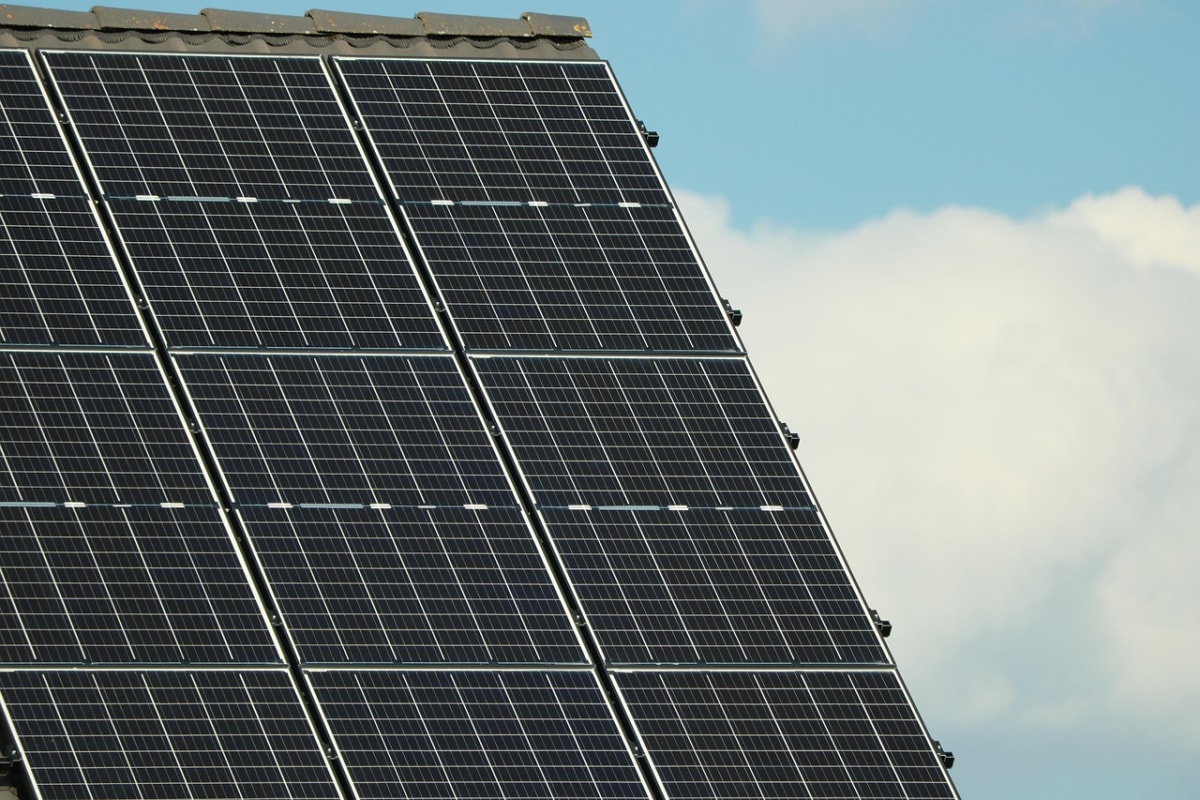
Scientists at the Netherlands Organisation for Applied Scientific Research developed a laser system that gently separates solar cells from their glass and plastic layers. The process preserves the silicon and silver that make up only a tiny fraction of a panel's weight but most of its actual value.
The technology works by firing nanosecond laser pulses through the transparent front of a solar panel. The laser weakens the bonds holding everything together and removes a key coating, all without damaging the valuable materials underneath.
After laser treatment and a simple cleaning step, the team achieved silicon purity of 99.998% with 97% of the material recovered. Silver came out at 99.7% purity, also with 97% recovered. Those numbers represent near-perfect recycling at laboratory scale.
The researchers tested their method on every major type of commercial solar panel currently in use. All of them worked, suggesting the technology could handle the real-world mix of panels coming off rooftops and solar farms.
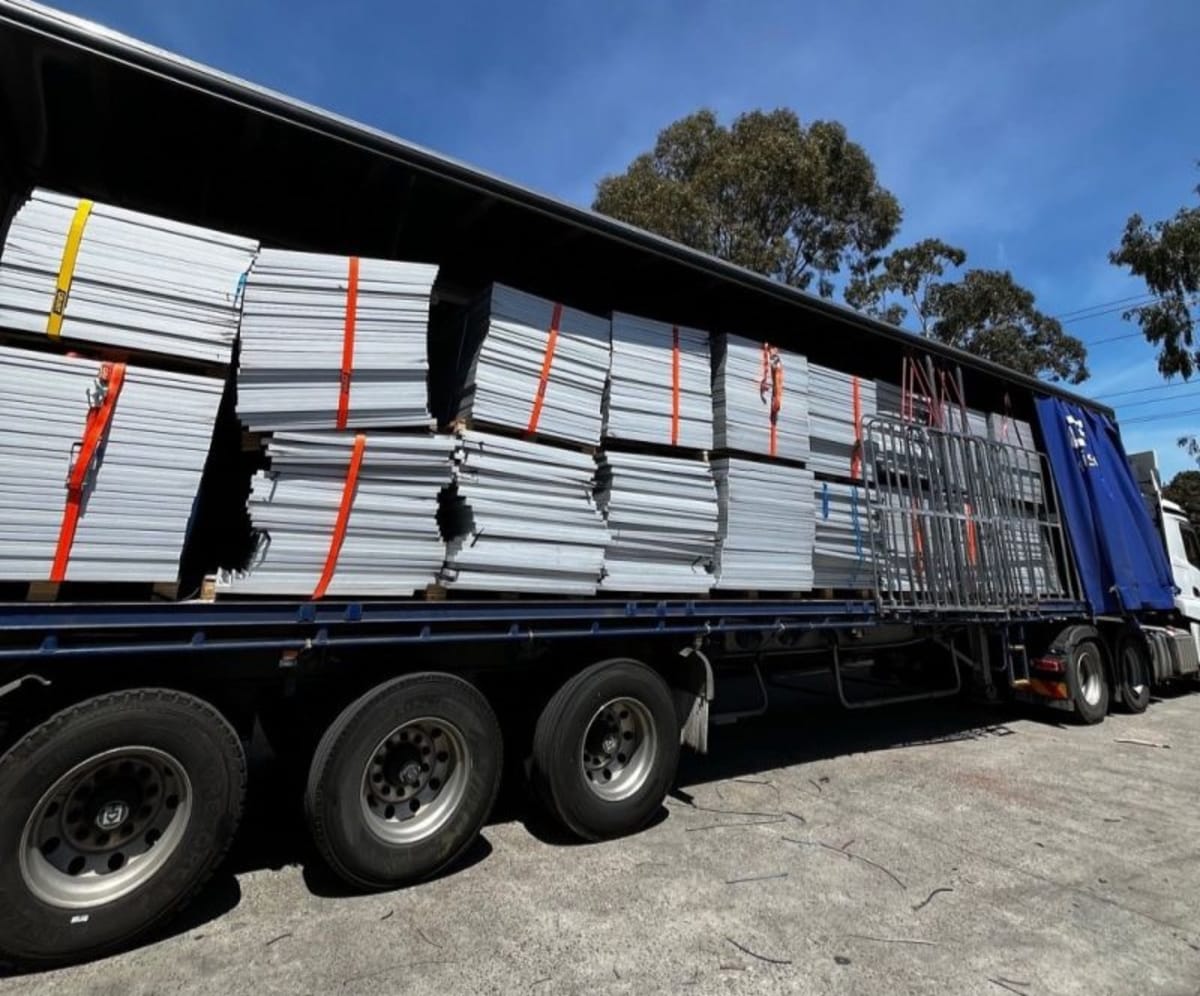
Traditional recycling efficiently captures glass and aluminum but tends to contaminate or lose the silicon and silver. That's a problem because Europe alone expects between 6 million and 13 million metric tons of dead solar panels by 2040, climbing to 35 million tons by 2050.
The team spent three years developing the laser approach and says it's now ready to move beyond the lab toward industrial use. They compared green and infrared lasers and found that while green lasers use less energy, infrared lasers cost two to three times less to buy.
The Ripple Effect
This breakthrough arrives just as solar energy enters a new phase. The panels installed during the early renewable energy boom are reaching the end of their 25 to 30 year lifespans.
If those materials get shredded and buried, we lose billions of euros worth of silicon and silver while mining new materials to build replacement panels. But if recycling can recover materials at near-perfect purity, old panels become mines for new ones.
The European Commission estimates fully recovered materials from solar waste could be worth tens of billions of euros by mid-century. That value stays in the economy instead of the landfill.
Other research teams around the world are pursuing similar goals using different laser approaches. Together, they're building an entirely new industry around closing the loop on solar power.
The Dutch team hasn't yet named a commercial partner to scale up production, but the technology has moved out of the exploration phase and into development for real recycling facilities.
Clean energy is about to get even cleaner.
More Images


Based on reporting by PV Magazine
This story was written by BrightWire based on verified news reports.
Spread the positivity!
Share this good news with someone who needs it