New Light Therapy Treats Gum Disease, Keeps Good Bacteria
Japanese researchers developed a targeted treatment that destroys the bacteria causing gum disease while leaving beneficial mouth bacteria untouched. The breakthrough could transform how millions treat periodontitis without disrupting their oral health.
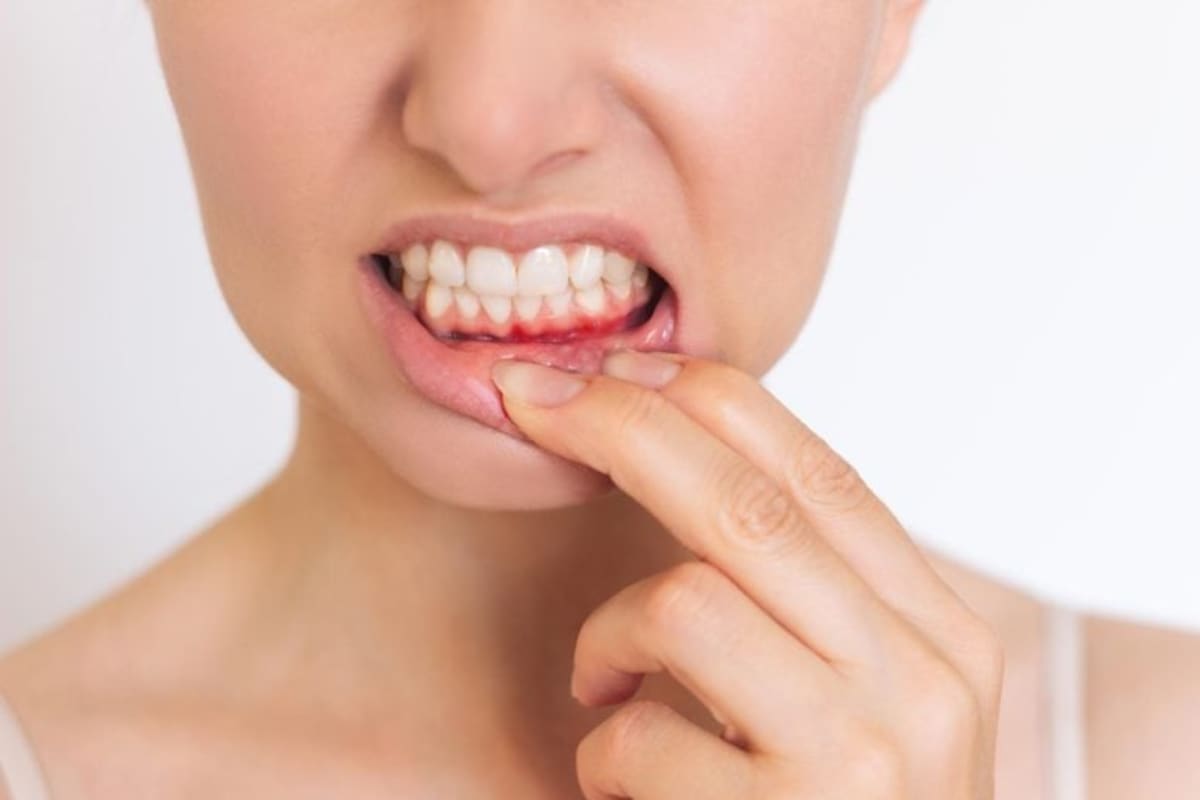
Over half of adults struggle with gum disease, but current treatments create a frustrating problem: they wipe out the good bacteria along with the bad.
Researchers at Nagoya University in Japan just solved that puzzle. They developed a light-activated therapy that hunts down and eliminates only the harmful bacteria responsible for periodontitis, leaving the helpful microbes that protect your mouth completely unharmed.
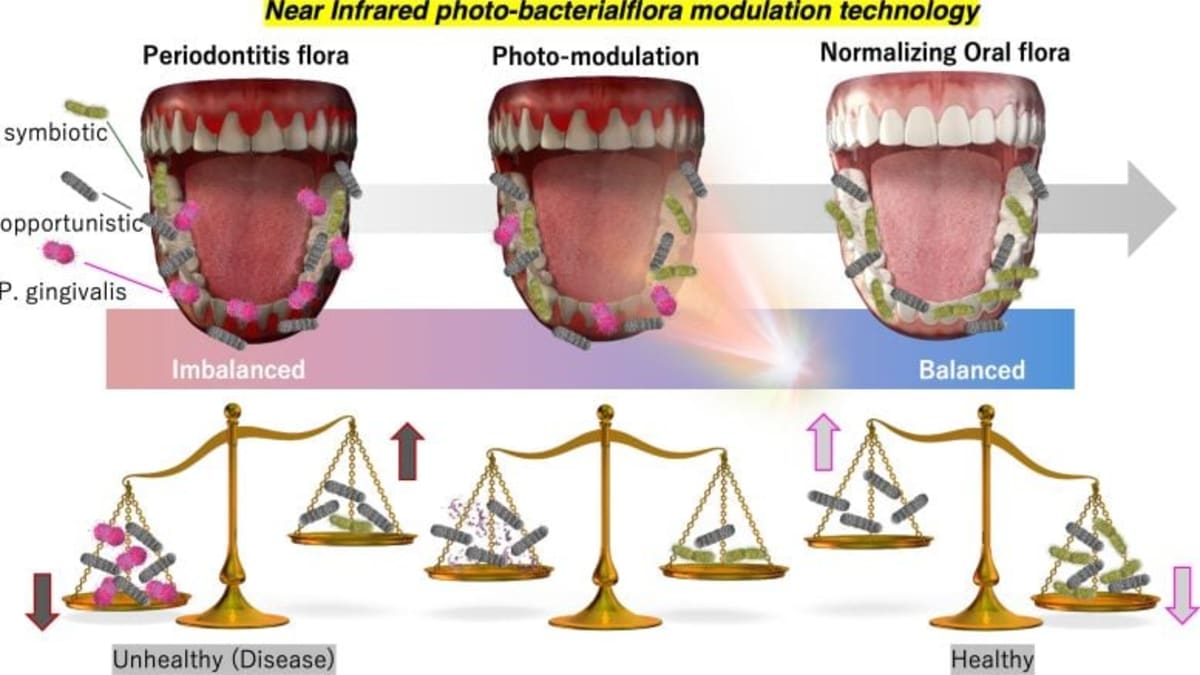
The treatment targets Porphyromonas gingivalis, the main troublemaker behind serious gum disease. This bacterium triggers inflammation and throws off the natural balance in your mouth, eventually damaging the bone that holds your teeth in place.
The team adapted a cancer-fighting technique called near-infrared photoimmunotherapy for dental use. They attached a light-sensitive dye to antibodies collected from chicken egg yolks, which sounds unusual but offers a practical advantage: it's inexpensive to produce in large quantities.
Here's how it works: the antibody-dye compound locks onto only the disease-causing bacteria. When doctors shine near-infrared light on the area, the dye activates and punches tiny holes in the harmful bacteria's outer shell, destroying it while leaving everything else untouched.
Tests in both lab cultures and mice showed remarkable precision. The treatment eliminated the pathogenic bacteria without damaging human gum cells or beneficial Streptococcus bacteria that help keep mouths healthy. Standard antibiotics and existing light therapies, by contrast, killed everything indiscriminately.
Mice receiving the targeted treatment showed significantly less bone loss around their teeth compared to those getting conventional treatments. Their saliva samples confirmed the bad bacteria were gone while the good ones thrived.
The Ripple Effect
This precision matters beyond just gum health. Periodontitis has been linked to rheumatoid arthritis and diabetes, suggesting that oral bacteria influence overall health more than previously understood.
The research team isn't stopping with one bacterium. They're now using artificial intelligence to analyze oral microbiome data and identify other harmful bacteria that contribute to gum disease. This could lead to personalized treatments targeting each patient's specific mix of troublesome microbes.
Current periodontal treatments often feel like using a sledgehammer when you need a scalpel. Antibiotics kill beneficial bacteria, disrupt your mouth's ecosystem, and can even worsen inflammation by releasing toxins from dying bacteria.
The Japanese team named their approach NIR-PAT², short for near-infrared photo-antibacterial targeting therapy. Clinical trials in humans are the next step, but the mouse studies and cell culture results published in the Journal of Translational Medicine show real promise.
Millions of people avoid treating their gum disease because they know current options come with uncomfortable trade-offs. A therapy that eliminates only what's harmful while preserving what's helpful could transform dental care from a necessary disruption into genuine healing.
More Images
Based on reporting by Google News - New Treatment
This story was written by BrightWire based on verified news reports.
Spread the positivity!
Share this good news with someone who needs it