New Material Blocks 99.9% Radiation, Stretches Like Rubber
Scientists created a flexible material thinner than a hair that blocks nearly all electromagnetic waves and 72% of neutron radiation. The lightweight shield could protect astronauts and space technology without adding heavy equipment.
Imagine protecting astronauts from dangerous radiation with a material as thin as tape and stretchy as a rubber band.
Korean scientists just made that dream real. Researchers at the Korea Institute of Science and Technology developed a groundbreaking material that shields against both electromagnetic waves and neutron radiation while weighing almost nothing.
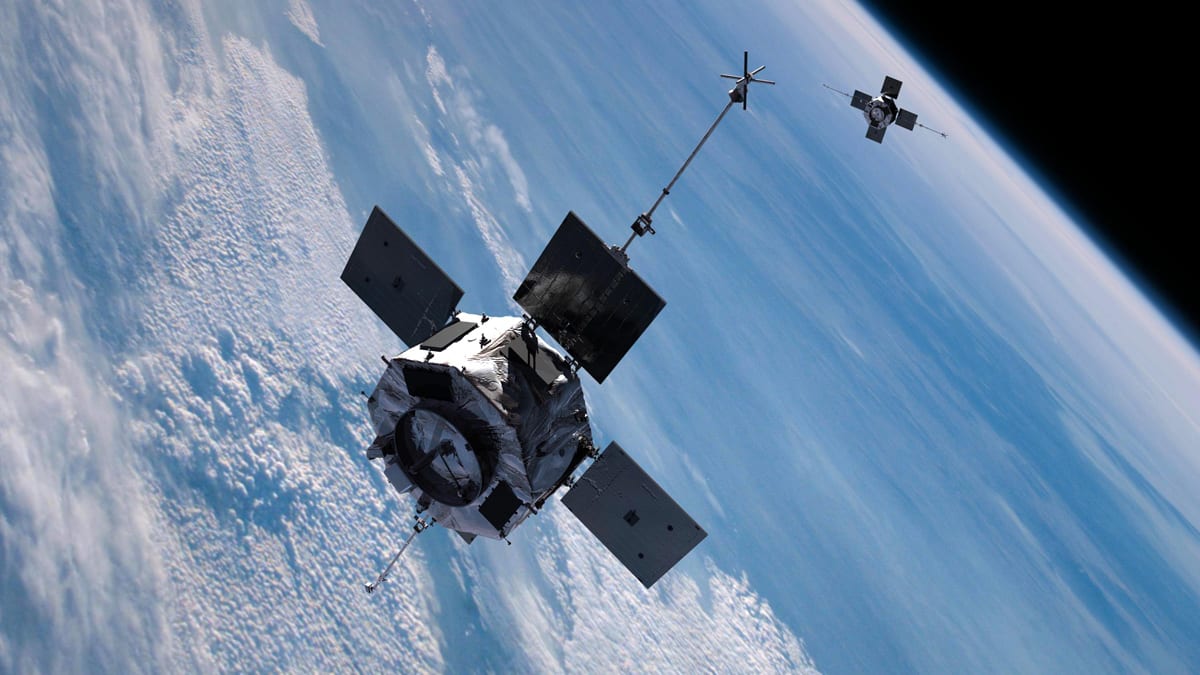
The innovation couldn't come at a better time. Space missions face radiation threats not just from cosmic rays, but from the very technology that gets us to space. Medical devices, semiconductors, power plants, and spacecraft themselves emit radiation that can damage nearby equipment or harm people working with them.
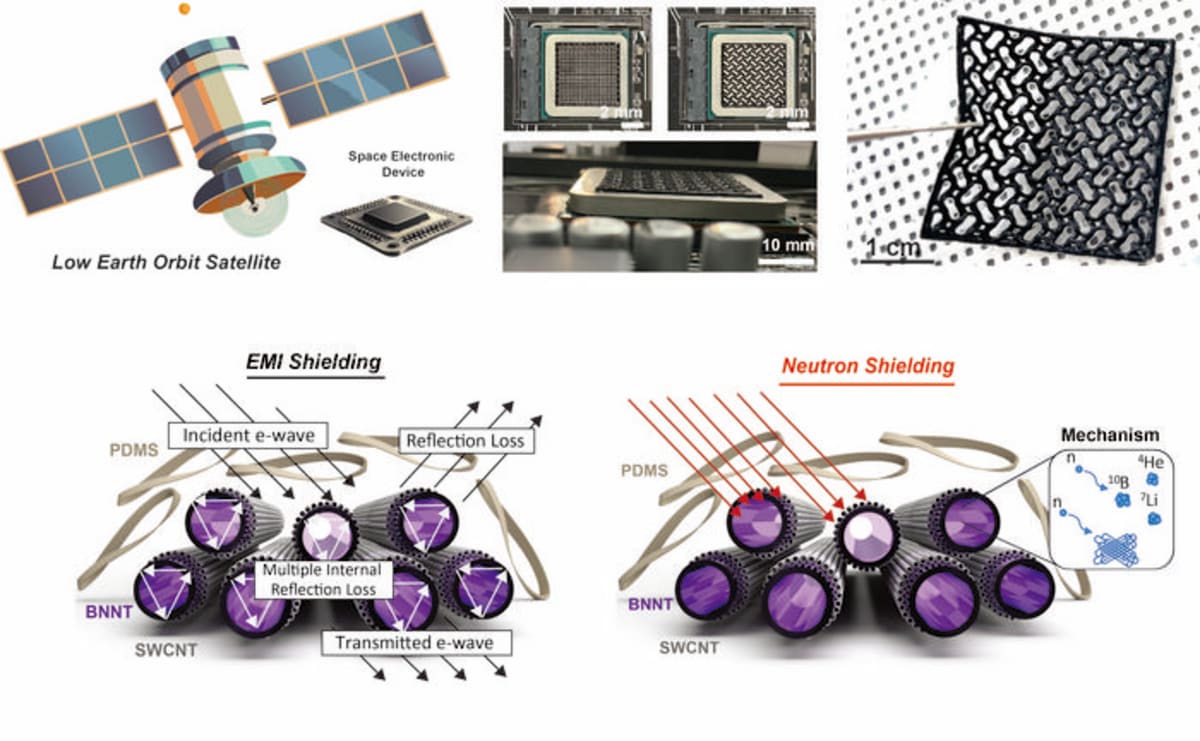
Lead researcher Joo Yong-ho calls it "a completely new concept in shielding technology." The secret lies in combining two types of nanotubes. Carbon nanotubes absorb and reflect electromagnetic waves, while boron nitride nanotubes capture neutrons.
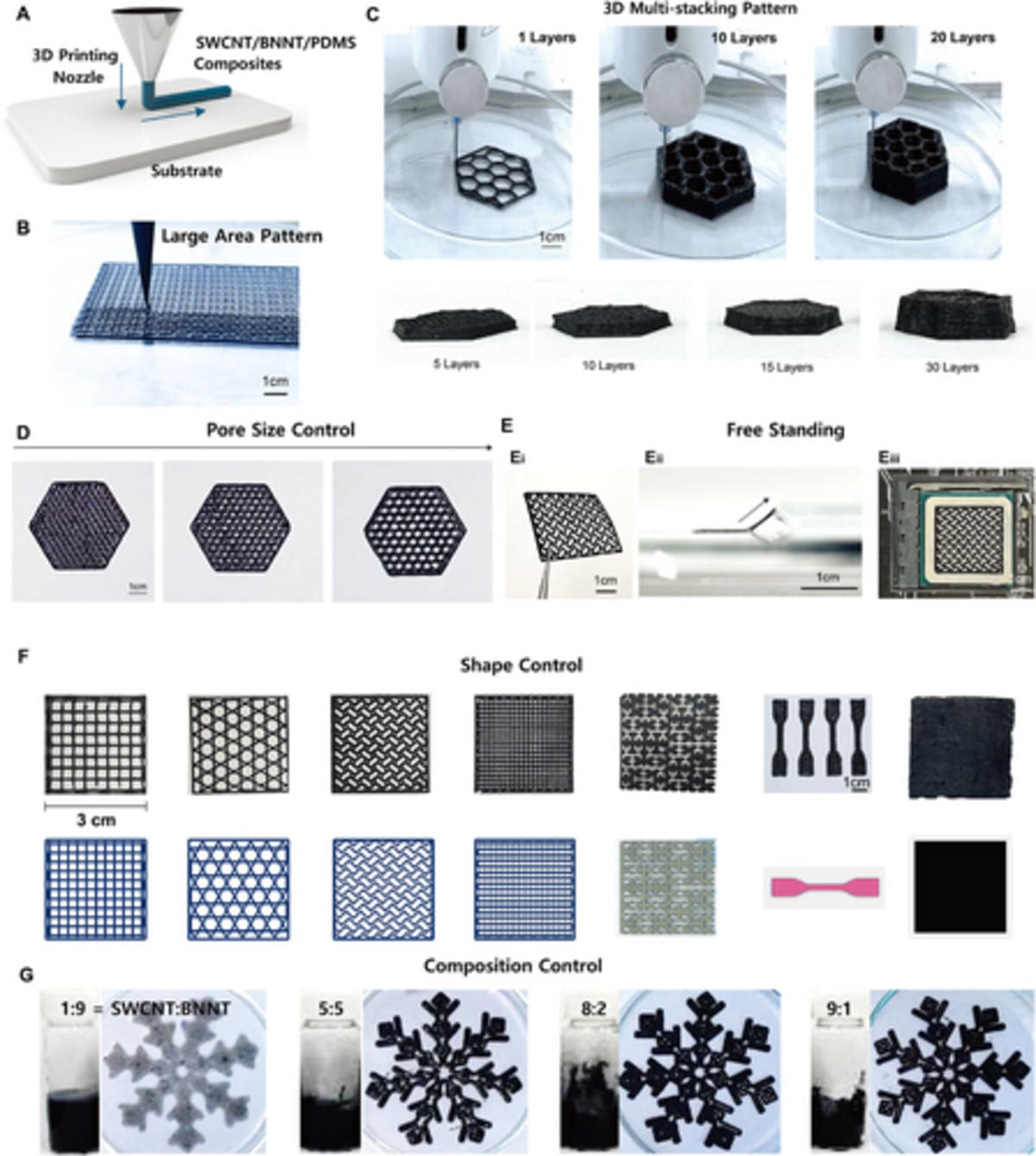
Together, they block 99.999% of electromagnetic waves and 72% of neutron radiation. The material stretches to double its length without losing effectiveness, making it perfect for 3D printing into custom shapes.
The Bright Side
The flexibility opens up exciting possibilities beyond just protection. When the team 3D-printed the material into a honeycomb pattern, it boosted radiation blocking by an additional 15%. That means engineers can design custom shields that fit perfectly around sensitive equipment or mold into protective gear.
Weight matters enormously in space travel. Every ounce added to a rocket costs thousands of dollars in fuel and limits what else can go aboard. This featherlight material solves a problem that's plagued space programs for decades: how to protect people and technology without making missions impossibly expensive.
The benefits extend beyond astronauts too. Engineers, technicians, and researchers working with space technology on Earth face radiation exposure from the equipment they build and test. This new material could make their workplaces safer without the bulk of traditional lead shielding.
From satellites to space stations, nearly every piece of space technology could benefit. The material's flexibility means it can wrap around curved surfaces, fit into tight spaces, and adapt to equipment of any shape or size.
The study published in Advanced Materials marks a major step forward in making space safer and more accessible for everyone involved in getting us beyond Earth.
More Images
Based on reporting by Space.com
This story was written by BrightWire based on verified news reports.
Spread the positivity!
Share this good news with someone who needs it