New Memory Exercise Boosts Self-Esteem in Minutes
Scientists have discovered a simple mental exercise that can raise self-esteem by reshaping painful memories. The technique, called memory reconsolidation, lets you comfort your younger self and has shown measurable changes in the brain.
Telling yourself "you're an idiot" when you feel emotional might mean you're struggling with self-worth. But psychologist Marisa Franco has good news: scientists have found a surprisingly simple way to change that.
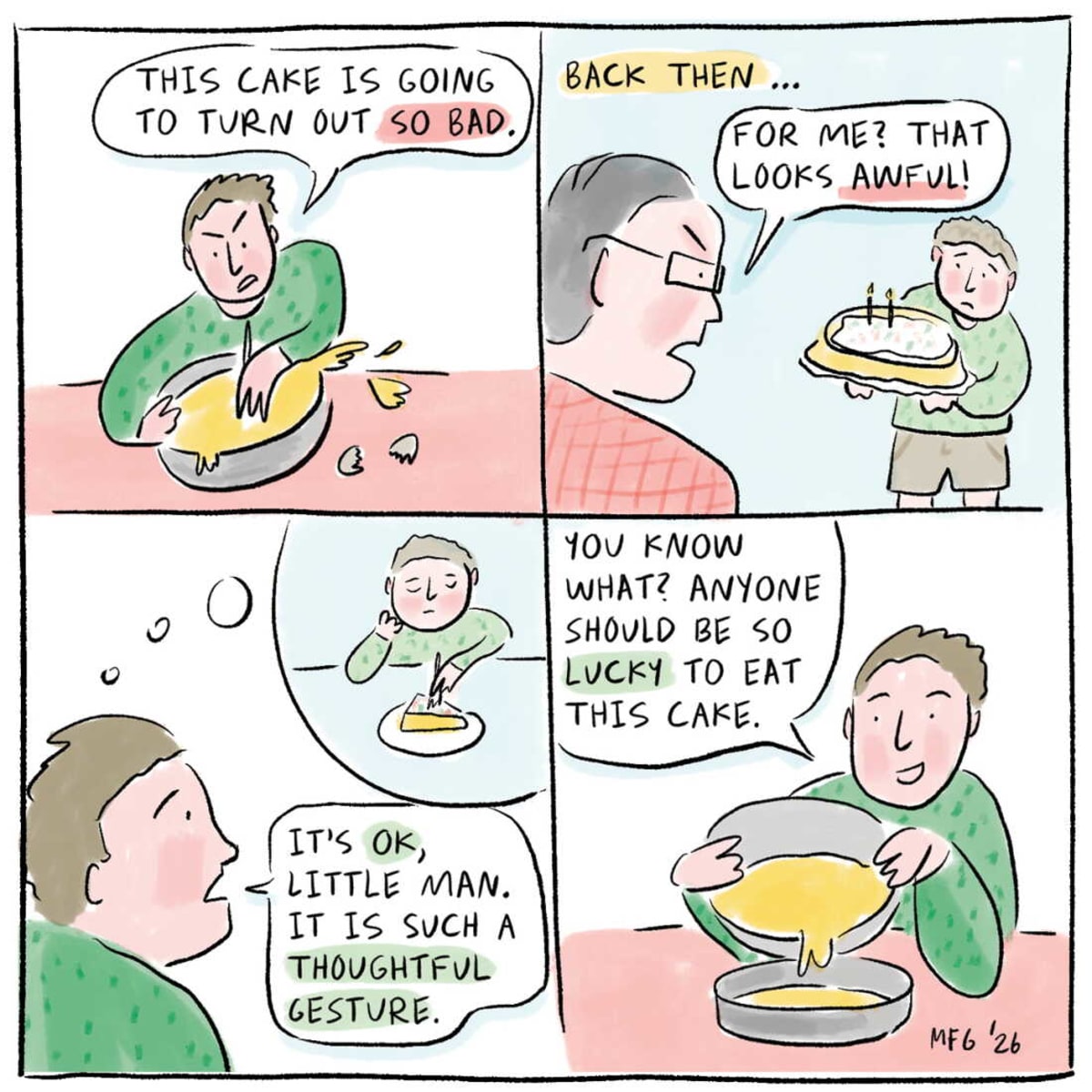
The breakthrough technique is called memory reconsolidation. It works by letting your current self revisit a painful memory and provide the reassurance your younger self needed back then.
Here's how it works. You identify a troubling memory from your past. Then you imagine your adult self stepping into that moment and comforting the child or teenager you were. You tell your younger self they're safe, valued, and not alone.
Franco uses the example of being embarrassed as a kid when her mom showed up late to soccer practice. She felt ashamed and different from everyone else. When she revisited that memory, adult Franco imagined showing up excited to see young Franco, giving her a hug, and explaining that being late didn't mean her mom loved her any less.
The science behind this is fascinating. Our memories don't just record what happened. They actively predict how we'll experience the future. When you reshape a painful memory with compassion, your brain actually changes.
Research shows this exercise leads to higher self-esteem and fewer trauma symptoms. Brain scans reveal physical changes in the hippocampus, the part of our brain where memories live. The work builds on behavioral neuroscientist Karim Nader's memory reconsolidation theory.
Franco, author of "Worth: The New Science of Self-Esteem and Secure Attachment," says self-worth is a skill anyone can learn. The key is treating your emotions like they matter instead of dismissing them.
Why This Inspires
The real power of this technique goes beyond feeling better about one difficult memory. Franco describes how it transforms her entire outlook: "It allows me to see the good in the world, to not evaluate things based off of the negativity eclipsing everything good about it."
People with low self-esteem struggle to internalize positive experiences. You can achieve great success but still feel like a failure. You can find love but still feel unlovable. All the beauty in life slips away when you can't value yourself.
The exercise can be done alone, but working with a friend or therapist can deepen the experience. Researchers recommend identifying a specific memory where you felt unworthy, then spending time imagining your current self providing exactly what younger you needed to hear.
When you build genuine self-worth, you finally become able to receive all the good things happening in your life.
More Images



Based on reporting by NPR Science
This story was written by BrightWire based on verified news reports.
Spread the positivity!
Share this good news with someone who needs it
%2Fhttps%3A%2F%2Ftf-cmsv2-smithsonianmag-media.s3.amazonaws.com%2Ffiler_public%2F0a%2F75%2F0a75c260-fa9a-425c-bf5e-b90eaf93c0f5%2Fmouse-brain.png)