New Mexico Bans New Uranium Mines on State Lands
New Mexico just closed the door to new uranium mining on state lands, protecting communities that have suffered for generations from radioactive contamination. The state, home to America's worst radioactive spill, is choosing public health over profit despite federal pressure to expand mining.
New Mexico made history Friday by becoming the first major uranium-producing state to ban new mining leases on its lands. State Land Commissioner Stephanie Garcia Richard signed the order in Santa Fe, drawing a line in the sand for communities still suffering from decades of radioactive contamination.
"Today we get to say something our fathers were never given the opportunity to say," said state Senator Angel Charly, whose father worked in uranium mines. "No community in New Mexico should have to sacrifice its people, its water and its land, so someone else can make a profit."
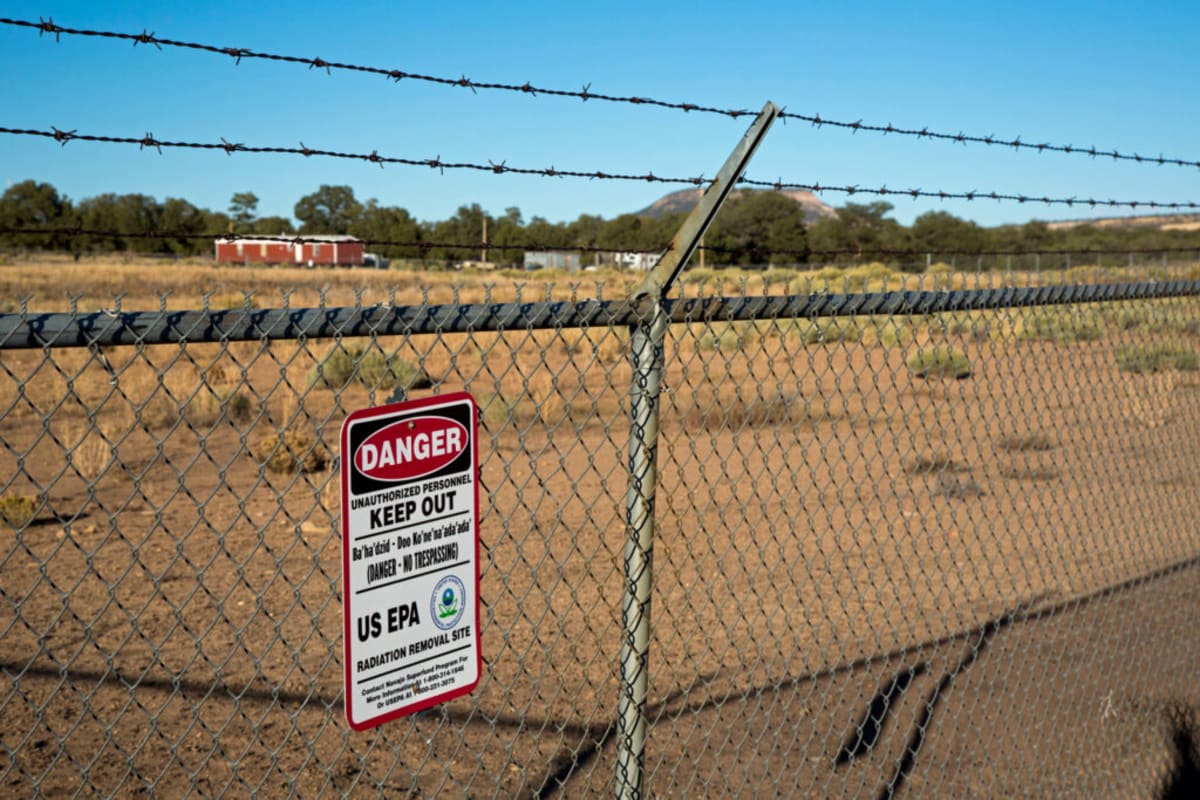
New Mexico carries deep scars from its uranium mining past. The state is home to hundreds of abandoned uranium mines and the largest radioactive spill in American history: a 1979 dam collapse that released 94 million gallons of contaminated water and 1,100 tons of uranium waste across New Mexico, Arizona and the Navajo Nation.
Communities near mining sites and the Trinity atomic bomb test site continue facing serious health problems generations later. When uranium companies finished extracting ore decades ago, they left behind environmental devastation. The people who live there can't leave.
The order comes as the Trump administration pushes hard to revive domestic uranium mining for national security. Federal officials have fast-tracked uranium projects on national forests in New Mexico and other states. New uranium mines are already operating in Wyoming, Arizona and Texas, with dozens more waiting to reopen.
The ban doesn't stop two existing state leases or any federal mining projects within New Mexico's borders. But it sends a clear message about the state's priorities and blocks any new state-owned land from being leased to uranium companies.
The Ripple Effect
New Mexico's decision could inspire other states wrestling with similar choices between economic opportunity and public health. Arizona, Wyoming and Utah all host uranium deposits and face pressure to expand mining despite environmental concerns from nearby communities.
The ban shows that states have power to chart their own course on resource extraction, even when federal policy pushes the opposite direction. It also validates the voices of Indigenous communities and mining families who have spent decades demanding accountability for past harms.
Environmental groups celebrated the move as overdue protection for people, water and land. The decision recognizes that some resources carry costs too high to justify extraction, no matter the economic arguments.
One state chose to break the cycle of sacrifice and say: not again.
Based on reporting by Inside Climate News
This story was written by BrightWire based on verified news reports.
Spread the positivity!
Share this good news with someone who needs it